
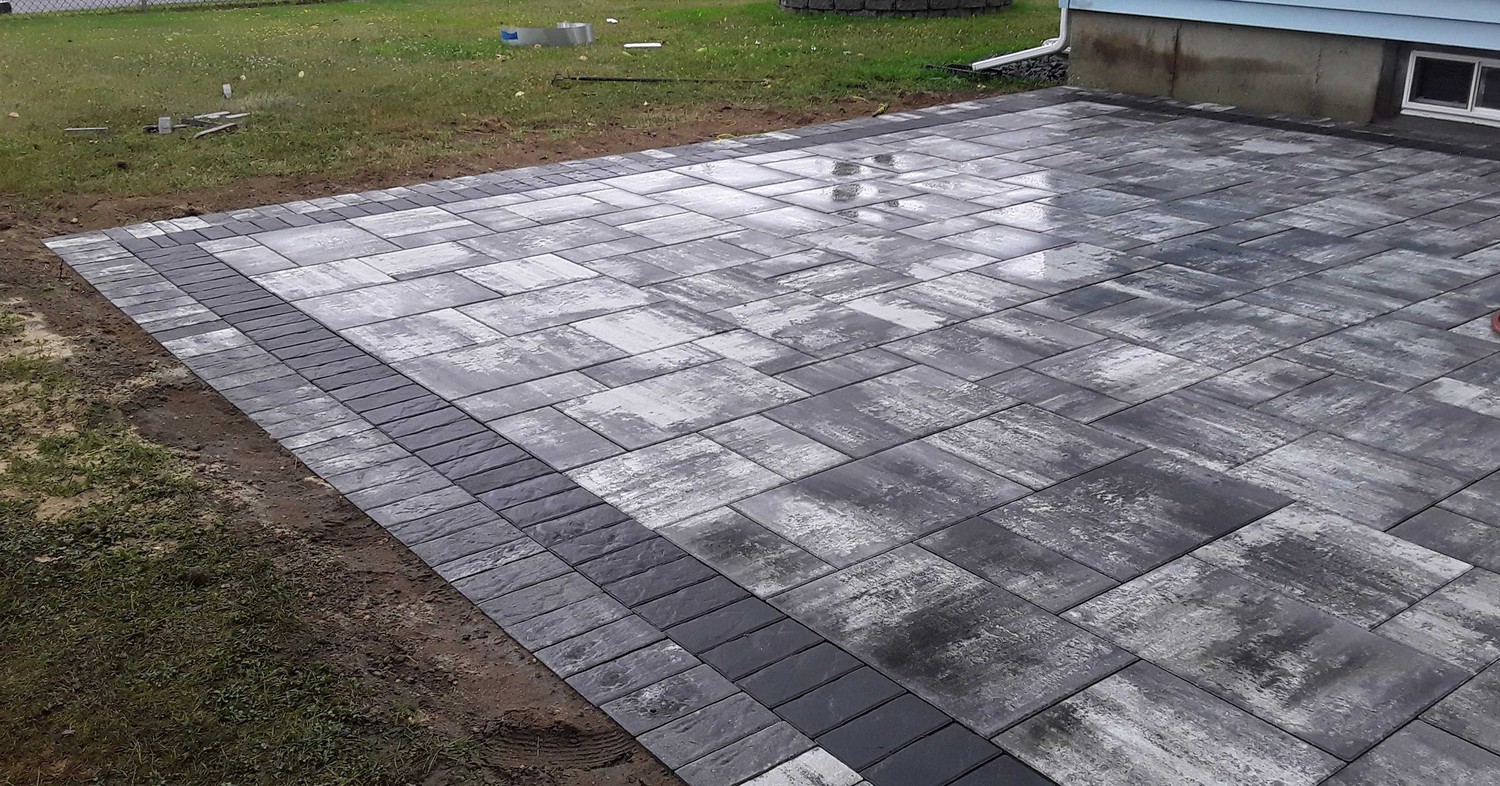
Winter patio care on Long Island is a set of specific maintenance decisions that determine whether your paver installation comes through Nassau County’s freeze-thaw season intact or needs significant repairs the following spring. Long Island winters are not the harshest in the Northeast — but they are among the most damaging for paver patios due to the specific combination of salt exposure, multiple freeze-thaw cycles, and heavy snow removal that characterizes a typical Nassau County winter. With 15 years of experience and 2,000+ completed paver projects across Long Island, we know exactly what homeowners need to do — and what they need to avoid — between November and March. This guide gives you the complete winter patio care framework for Long Island’s climate.
Table of Contents
Quick Answer: Winter Patio Care on Long IslandWinter patio care on Long Island has three priorities: avoid salt and chloride-based de-icers on paver surfaces, use plastic or rubber-edged snow removal tools instead of metal blades, and clear snow promptly to prevent ice dam formation in joints and borders. Nassau County averages 20 to 30 freeze-thaw cycles per winter — the combination of freeze-thaw stress and chemical exposure is what causes the most paver damage. Sand-based traction products are the safe alternative to salt. Basic care decisions during winter protect your paver investment more effectively than any spring repair work.
Why Winter Patio Care on Long Island Matters More Than Other Regions
Winter patio care on Long Island matters more than in many comparable climates because Nassau County sits at the intersection of multiple weather systems that create specific stresses on paver installations. The coastal position brings moisture — Long Island averages 45 to 50 inches of annual precipitation with significant winter rain and wet snow events that saturate joints and penetrate base layers. The temperature range from January lows around 22 degrees Fahrenheit to midday thaw temperatures above freezing creates 20 to 30 freeze-thaw cycles per typical winter, each expanding moisture in joints and base layers as it freezes and contracting as it thaws.
The proximity to major roads brings salt exposure beyond what homeowners apply. Winter patio care on Long Island must account for this external salt source. LIPA power lines, road salt spray from traffic, and municipal de-icing programs mean that paver surfaces on driveways and front walkways are exposed to chloride compounds throughout the winter even when homeowners make no personal application. Paver winter maintenance that addresses external salt exposure — through rinsing and appropriate surface treatment before and after winter — is as important as the de-icer decisions homeowners make themselves.
Snow removal on Long Island also creates mechanical damage risk that colder, drier climates with lighter snow do not. Nassau County’s wet, heavy snowfall — the kind that comes with coastal nor’easters — is difficult to remove with plastic-edged tools alone and tempts homeowners toward metal-bladed snow shovels and metal plow edges that can chip paver corners and dislodge individual units. Understanding how to clear snow effectively without causing mechanical damage is a core element of snow removal pavers best practices for Long Island.
Winter Patio Care on Long Island: Pre-Season Checklist
Winter patio care on Long Island starts in October and early November, before the first freeze event. Pre-winter preparation reduces the work needed in spring and protects the surface from the most preventable forms of winter damage.
- Inspect and refill joint sand: Polymeric joint sand that has eroded below the paver surface going into winter allows more water infiltration, which freezes and expands with more force in degraded joints than in properly filled ones. Refill any open or degraded joints before the first freeze.
- Clean the surface thoroughly: Remove all organic debris — leaves, twigs, and dirt — from the paver surface and joints before winter. Decomposing organic material in joints creates acidic conditions that accelerate degradation and promotes moss and algae establishment over the winter period.
- Apply sealer if due: If your paver surface has not been sealed in two to three years, applying sealer before winter provides a protective barrier against salt penetration and staining from snow melt compounds. Sealer needs to be applied when surface temperatures are above 50 degrees Fahrenheit — mid-October is typically the last reliable window in Nassau County.
- Stock appropriate de-icing products: Purchase sand-based traction products and/or calcium magnesium acetate (CMA) de-icers before winter to avoid last-minute substitution of rock salt or sodium chloride products that damage both pavers and joint sand.
- Check drainage: Ensure all drainage channels adjacent to the patio are clear of debris so melt water can move away from the paver surface rather than pooling and refreezing in low spots.
Winter Patio Care on Long Island: Snow Removal Technique
Snow removal pavers technique is one of the highest-impact paver winter maintenance decisions Long Island homeowners make during the season. Improper snow removal causes more mechanical damage to paver surfaces than any other single winter factor, and the damage is often visible immediately in the form of chipped paver corners, dislodged units, and disturbed joint sand.
Acceptable Snow Removal Tools
For snow removal pavers work on Long Island, plastic-bladed snow shovels are the correct tool for light to moderate snowfall. Rubber-edged snow blowers are appropriate for heavier snowfall. Both avoid the corner chipping and surface scratching that metal-edged tools cause on paver surfaces. Maintain at least 1 inch of clearance above the paver surface when using any mechanical equipment — snow blower chutes set too low will catch paver edges and dislodge or chip them. For professional snow removal services, confirm that any contractor is using rubber-edged plow blades on paver driveways and patio areas before allowing them to work on your surface.
Safe De-Icing Products for Paver Patios
The most important paver winter maintenance decision on Long Island is de-icer selection. Most readily available de-icing products contain sodium chloride (rock salt) or magnesium chloride, both of which penetrate paver surfaces, accelerate efflorescence, degrade polymeric joint sand, and damage the ArmorTec protective coating on Cambridge Pavingstones. Safe alternatives include:
- Sand: Provides traction without any chemical impact on pavers or joints. Apply before ice forms for best traction. Requires cleanup in spring before it migrates into joints and creates drainage issues.
- Calcium Magnesium Acetate (CMA): The least damaging chloride-free de-icer available. Biodegradable and effective to approximately 25 degrees Fahrenheit. Higher cost than rock salt but safe for pavers, surrounding vegetation, and concrete.
- Calcium chloride pellets (used sparingly): More paver-safe than sodium chloride and effective at lower temperatures, but still contains chloride. Use as a last resort in temperatures below 25 degrees when CMA is ineffective, and rinse the surface when temperatures rise above freezing.
| Product | Paver Safety | Effective Temp | Joint Sand Impact | Recommendation |
|---|---|---|---|---|
| Sand | Excellent | Any temp | None | First choice for traction |
| Calcium Magnesium Acetate (CMA) | Excellent | Above 25°F | Minimal | Best chemical de-icer for pavers |
| Calcium Chloride | Fair | To -25°F | Moderate | Extreme cold only, rinse after |
| Magnesium Chloride | Poor | To 5°F | High | Avoid on paver surfaces |
| Sodium Chloride (Rock Salt) | Poor | Above 15°F | Very High | Do not use on pavers |
| Potassium Chloride | Poor | Above 25°F | High | Avoid — damages pavers and plants |
Have questions about winter care for your specific Nassau County patio? Contact Affordable Patio — our team advises on paver-specific winter care for Cambridge Pavingstones and other materials installed across Long Island.
Winter Patio Care on Long Island: What to Monitor Through the Season
Winter patio care on Long Island is not entirely passive once the season begins. Monthly checks of the paver surface during winter allow you to catch developing issues before they compound through the season.
- Ice dam formation in border areas: Where the patio meets lawn edges or drainage channels, ice can build up and direct melt water back under the paver surface. Clear ice dams at border areas when safe to do so during above-freezing periods.
- Heaving in progress: A paver that is noticeably higher than adjacent units after a cold snap has likely frost-heaved. Do not attempt to push it back down during winter — mark the location and address it properly in spring with base inspection and re-setting. Walking on heaved pavers accelerates joint damage.
- Salt drift from adjacent areas: If road salt spray from traffic or a neighbor’s application is reaching your patio surface, rinse the affected area during above-freezing periods to reduce chloride accumulation. Early rinsing during winter thaw windows significantly reduces the total salt exposure your paver surface accumulates through the season.
According to the National Association of Home Builders, outdoor hardscaping is one of the highest-value home improvement investments in the Northeast — proper winter maintenance is what protects that value year after year. The pavers that receive consistent winter care retain their color, structural integrity, and surface finish significantly longer than those that experience repeated salt and mechanical damage.
Planning a new patio installation for next spring? Review our Nassau County paver patio installation service to see the base specifications and material standards we use to build patios that perform through Long Island winters for 20+ years.
Frequently Asked Questions
What de-icers are safe under winter patio care on Long Island?
No. Rock salt (sodium chloride) damages paver surfaces, degrades polymeric joint sand, and accelerates efflorescence on Long Island paver installations. The safest de-icing option for paver patios is sand for traction, followed by calcium magnesium acetate (CMA) for chemical de-icing when needed. Both perform well in Nassau County winter temperatures and do not cause the surface or joint damage that rock salt and most commonly available de-icers produce.
What snow shovel should I use on paver patio surfaces?
Use a plastic-bladed snow shovel for paver surfaces — not metal. Metal snow shovel edges chip paver corners on impact and can dislodge individual pavers from their bedding sand. For snow blowers, rubber-edged augers or clearing distances set at 1 inch above the surface protect pavers from mechanical contact. If hiring a snow removal service, confirm they use rubber-edged plow blades before allowing them to work on any paver surface, particularly driveways and walkways.
Does winter patio care on Long Island prevent frost heaving?
Proper winter patio care on Long Island reduces — but does not eliminate — seasonal movement from the 20 to 30 freeze-thaw cycles the base layer experiences each winter. Properly installed patios with adequate base depth (minimum 6 inches of compacted gravel base) and appropriate slope for drainage experience minimal permanent shifting. Significant heaving — individual pavers lifting noticeably above adjacent units — indicates either a drainage issue that is concentrating water under specific areas or a base that was not properly compacted. These conditions should be assessed and corrected in spring by resetting the affected pavers with base inspection.
Should I cover my paver patio during winter?
Covering a paver patio during winter is not necessary and is generally not recommended. Paver surfaces are designed to withstand Long Island’s winter conditions, and covering with tarps or plastic sheeting can trap moisture rather than allowing it to drain normally, creating conditions for accelerated biological growth. Remove patio furniture and cushions before winter, but leave the paver surface exposed to allow normal freeze-thaw drainage.
What is the best thing to do for paver winter maintenance the day after a snowstorm?
Winter patio care on Long Island after a snowstorm starts with clearing snow promptly using a plastic-bladed shovel or rubber-edged snow blower to prevent the snow pack from compressing and forming ice. Apply sand for traction if needed rather than salt. Check border areas for ice dam formation and clear if accessible. Once temperatures rise above freezing, rinse the surface with plain water to remove any road salt that may have drifted onto the patio area from adjacent surfaces or vehicle traffic.
Protect Your Investment with Winter Patio Care on Long Island
Winter patio care on Long Island requires a few consistent practices — the right de-icers, proper snow removal technique, and pre-winter preparation — that are far easier and less expensive than the spring repairs that follow a winter of neglect. Consistent winter patio care on Long Island is what separates a patio that lasts 25 years from one that needs costly repairs every few springs. Affordable Patio has helped Nassau County homeowners protect and maintain over 2,000 paver installations across Massapequa, Levittown, Bethpage, Bellmore, and every community in between. See how we build every patio on our step-by-step installation process page, and browse our paver patio resource library and the team behind every installation are here to help you get the most from your outdoor living investment for decades to come. Contact Affordable Patio for advice on your specific patio or to discuss a new installation that is built to handle Long Island’s winters from day one.