
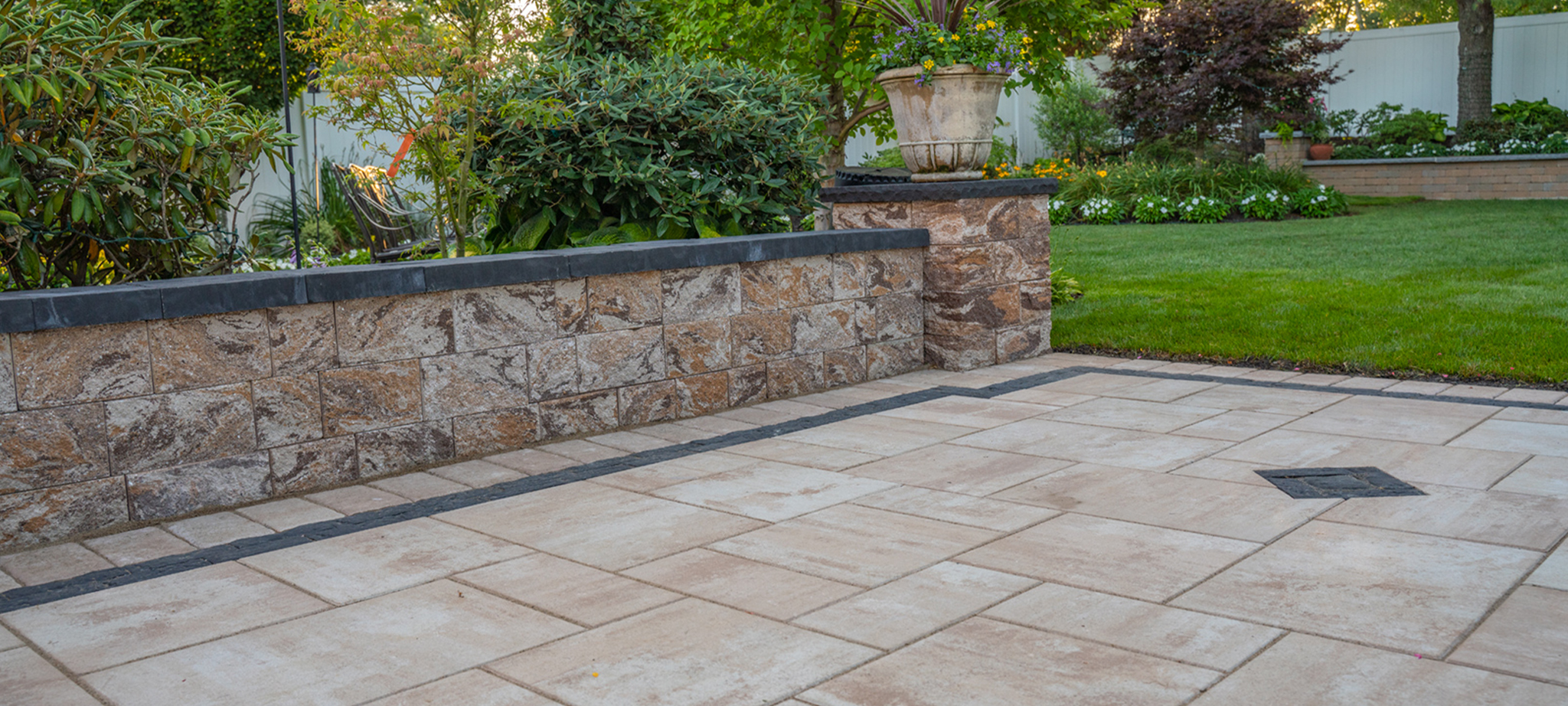
Choosing the right patio installer in Long Island is the most critical decision you will make when upgrading your outdoor living space. Whether you are envisioning a serene retreat for morning coffee or a sprawling entertainment hub for summer barbecues, the quality of craftsmanship determines the longevity and beauty of your investment. At Affordable Patio, we specialize in transforming ordinary backyards into extraordinary landscapes that withstand the unique New York climate.
Table of Contents
- Choosing the Best Patio Installer in Long Island
- Popular Patio Materials for NY Homes
- The Step-by-Step Installation Process
- Understanding Patio Installation Costs
- The Importance of Proper Drainage
- 7 Proven Secrets for a Stunning Backyard
- Maintenance Tips for Long-Lasting Patios
- Frequently Asked Questions
Choosing the Best Patio Installer in Long Island
When searching for a patio installer, homeowners often get overwhelmed by the sheer number of contractors available. However, not all installers are created equal. In Long Island, from Nassau County to the Hamptons, the soil composition and weather patterns require a specific level of expertise.
A professional installer should provide a comprehensive portfolio of local projects. This allows you to see how their work holds up against the freeze-thaw cycles typical of the Northeast. You should also verify that they carry adequate insurance and licensing to protect your property during the construction phase.
Beyond technical skills, look for an installer who understands [INTERNAL_LINK] custom design. A great patio isn’t just a slab of stone; it’s an extension of your home’s architecture. By choosing a local expert, you ensure they are familiar with town permits and zoning laws specific to Long Island townships.
Popular Patio Materials for NY Homes
The material you choose is the foundation of your patio’s aesthetic. As a leading patio installer, we recommend materials that balance beauty with durability.
Concrete Pavers
Concrete pavers are incredibly popular in Long Island due to their versatility. Brands like Cambridge Pavers offer ArmorTec finishes that maintain their color for decades. They are resistant to salt, which is essential for homes near the Atlantic Ocean or Long Island Sound.
Natural Stone (Bluestone and Travertine)
For a timeless, high-end look, natural stone is unmatched. Pennsylvania Bluestone is a regional favorite, offering cool blue and earthy thermal tones. Travertine is another excellent choice, as it remains cool to the touch even during the hottest July afternoons in New York.
The Step-by-Step Installation Process
A reliable patio installer follows a rigorous process to ensure the ground doesn’t shift over time. Here is what you can expect during a professional installation:
1. Site Preparation and Excavation
The first step involves clearing the area and excavating to the proper depth. This usually involves removing 8 to 12 inches of soil to make room for the base materials. Proper depth is vital to prevent the patio from heaving during winter frosts.
2. Sub-Base Compaction
We lay down a layer of crushed stone (usually RCA or quarry process) and compact it using heavy machinery. This creates a solid, non-shifting foundation that allows for water drainage.
3. Bedding Sand and Leveling
A thin layer of fine sand is spread over the base. This acts as the “cushion” for the pavers. Precision leveling here ensures that the final surface is smooth and slopes slightly away from the house to prevent water damage.
Understanding Patio Installation Costs
Budgeting for a new outdoor space requires an understanding of several variables. A patio installer in Long Island will typically quote based on square footage, but other factors play a role. Natural stone is generally more expensive than concrete pavers due to the labor-intensive cutting and fitting required.
Accessibility is another factor. If your backyard requires specialized equipment to move materials through narrow side yards, labor costs may increase. However, investing in quality installation from the start saves money on repairs down the road. You can learn more about our pricing on our [INTERNAL_LINK] services page.
The Importance of Proper Drainage
One of the biggest mistakes a novice patio installer makes is ignoring drainage. Long Island is prone to heavy seasonal rains. Without a proper pitch, water can pool against your home’s foundation or create icy patches in the winter.
Professional installers use laser levels to ensure a 1-inch drop for every 8 to 10 feet of patio. In some cases, we may recommend installing French drains or channel drains to redirect runoff toward dry wells. This protects both your patio and your home’s structural integrity.
7 Proven Secrets for a Stunning Backyard
To truly elevate your outdoor space, consider these seven secrets used by the best patio installers in the industry:
- Integrate Vertical Elements: Don’t just stop at the floor. Adding retaining walls, seating walls, or outdoor kitchens adds dimension and functionality.
- Smart Lighting Design: Use low-voltage LED lighting tucked into stairs and walls. This creates a magical atmosphere and increases safety at night.
- Mixing Textures: Combine smooth pavers with rugged stone borders. Contrasting textures make the design pop and define different “rooms” within your yard.
- Incorporate Fire Features: A fire pit or outdoor fireplace becomes an immediate focal point and extends your patio usage into the autumn months.
- Native Landscaping: Surround your patio with plants native to Long Island. They require less water and provide a lush, natural frame for your stonework.
- Curves vs. Straight Lines: Use curved edges for a more natural, flowing feel, or sharp, geometric lines for a modern, sleek aesthetic.
- Quality Joint Sand: Use polymeric sand to seal the joints. This prevents weed growth and keeps ants from nesting between your pavers.
Maintenance Tips for Long-Lasting Patios
Even the best work by a professional patio installer requires some basic upkeep. Fortunately, modern pavers are designed to be low-maintenance. We recommend a deep cleaning every two years using a specialized paver cleaner to remove organic stains and grime.
Resealing your patio every 3-5 years can help protect the color and surface of the stones. However, avoid over-sealing, as this can lead to a cloudy film. For more tips on keeping your investment looking new, check out our [INTERNAL_LINK] maintenance guide.
Frequently Asked Questions
How long does it take to install a new patio?
Most residential patio projects in Long Island take between 3 to 7 days, depending on the size, complexity, and weather conditions. Larger projects with outdoor kitchens or fireplaces may take 2 weeks or more.
Do I need a permit for a patio in Long Island?
In many Long Island townships, a permit is required if the patio exceeds a certain size or if it involves permanent structures like walls or roofs. As your patio installer, we can help guide you through the local building codes.
What is the best time of year to install a patio?
The prime season for patio installation is from April through November. However, early spring and late fall are often the best times to schedule to ensure your yard is ready for the peak summer months.
Can you install a patio over an existing concrete slab?
While possible (known as an overlay), it is often better to remove the old concrete. Installing over a slab can lead to height issues with doorways and may cause the new pavers to crack if the underlying concrete shifts.
How do I choose between pavers and stamped concrete?
We generally recommend pavers. Unlike stamped concrete, pavers can be easily repaired if a single stone breaks or if underground utilities need to be accessed. Pavers also handle the freeze-thaw cycle of New York much better without cracking.
Ready to transform your home? As the premier patio installer in Long Island, Affordable Patio is here to help. Contact us today for a free consultation and let’s start building your dream backyard!