
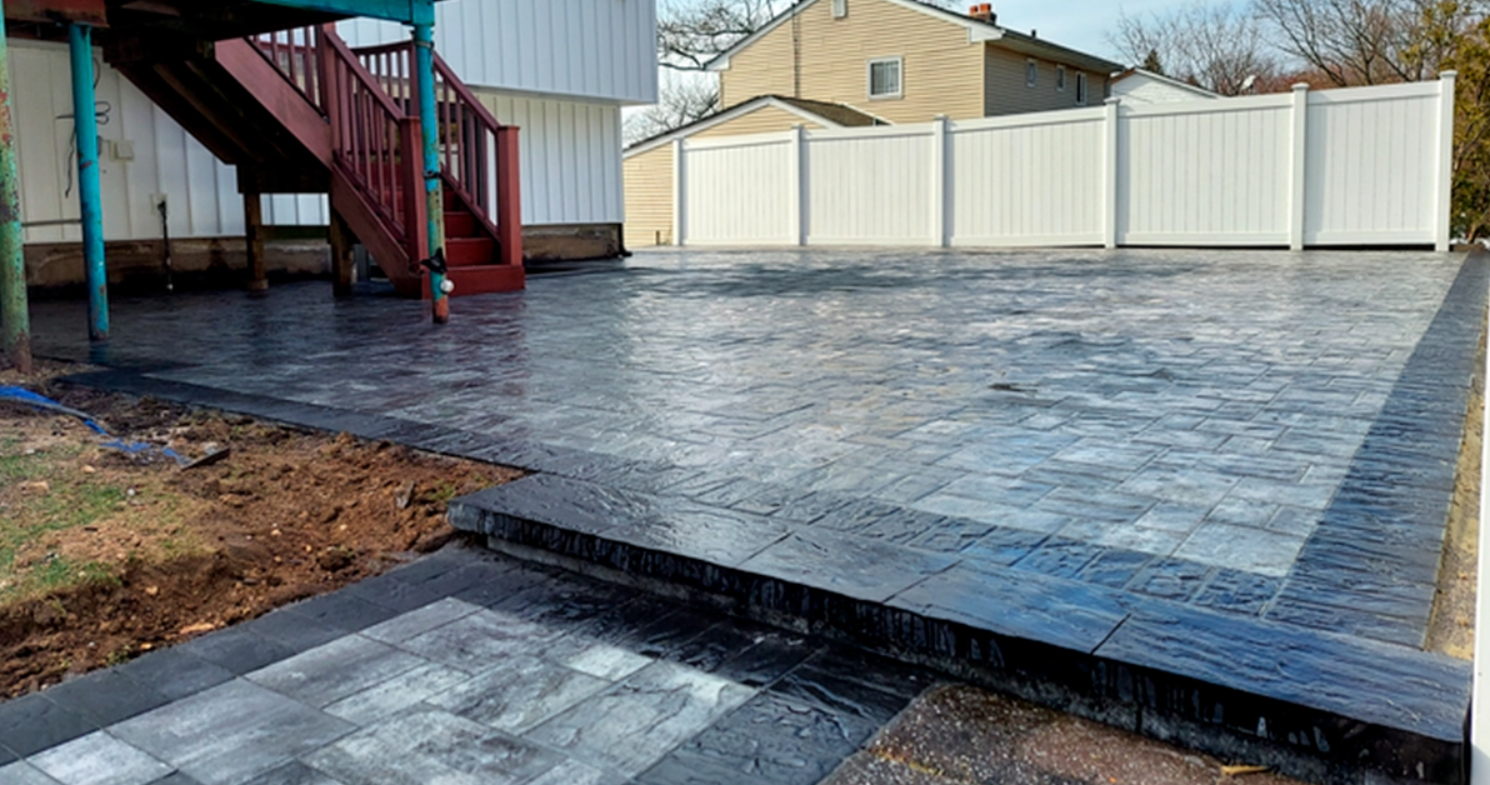
Patio size can make or break how your outdoor living space feels. If you’re excited about a new patio but you’re not sure what size will fit your needs, you’re not alone. This is one of the most common questions we hear because a few key choices can change your layout fast.
At AffordablePatio.com, we call this patio usage—optimizing your patio size for how you’ll actually use it day to day. The goal is simple: make the space functional first, then lock in the design.
Patio Size Planning: Start With How You’ll Use It
When you start planning your new outdoor patio, the smartest move is to map out your patio usage first—where items will be placed and how the space needs to function. We always recommend solving functionality before design. Once the flow makes sense, the design choices become much easier (and you avoid expensive changes later).
Think of it like being at a house party where the layout doesn’t flow. One wall in the wrong place changes everything. Patios work the same way—just easier to fix on paper before you build.
Start by asking:
- Is this patio mainly for dining, lounging, or both?
- Will you host groups often, or mostly use it day-to-day?
- Do you need a clear path from the house to the yard, pool, or grill area?
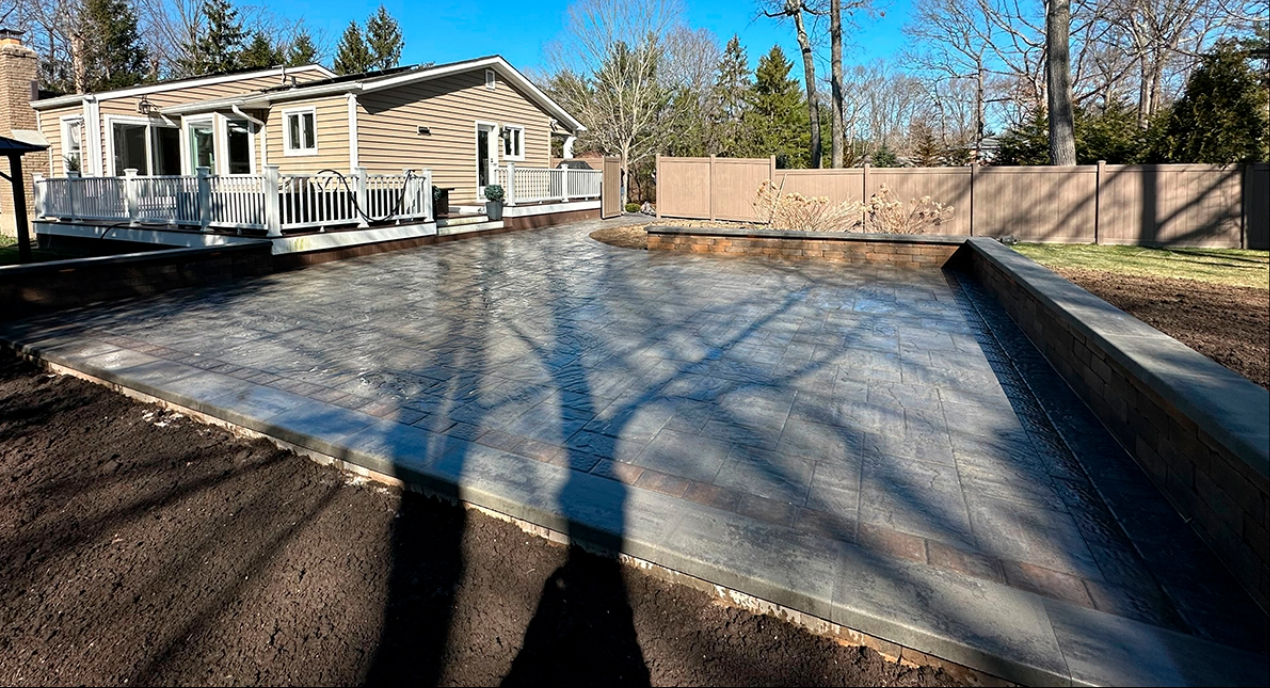
Real example: sizing for a patio dining set
A standard patio table might be about 4 feet wide by 6 feet long. Once you add chairs on all sides and people are seated, it can take up roughly 8 feet by 10 feet in real “usable space.” That’s why we recommend planning for at least a 10′ x 14′ area for dining so you can walk around comfortably without squeezing past chairs.
Want a deeper dive on outdoor furniture spacing? This guide on outdoor layout measurements is a helpful reference: key measurements for planning your outdoor furniture layout.
Want help choosing the right patio size?
If you’re planning a patio in Suffolk County and want guidance on layout and patio usage, start here: Affordable Patio NY – Suffolk County.
It’s a quick way to learn your options and see what’s realistic for your space.
Patio Dead Space and Furniture Placement
Another major factor that affects patio size is what we call patio dead space. Dead space is the area where you can’t place furniture (or you shouldn’t) because it interrupts the natural flow of traffic.
The two biggest examples are:
- Steps (coming down from a door or landing)
- Walkways (paths that people naturally use)
Think about walking into a room—you never want to walk straight into a chair. You want a clear, natural path. The same logic applies outside. To keep the space comfortable when you have guests over, plan on keeping steps and walkways clear and expect to “lose” about 6 to 8 feet of usable area in front of these traffic zones so people aren’t forced to squeeze around furniture.
How this changes your patio size
Let’s say you love the idea of a dining set plus a lounge corner. If the dining set needs a comfortable footprint, and the walkway needs to stay clear, you may need a larger overall patio size than you first expected—even though the furniture itself seems like it “should fit.”
How Much Room Do You Really Need for Entertaining?
The last big patio usage question is: how much room do you really need when you add features like an outdoor kitchen, fire pit, or sitting walls?
A simple way to think about it is to compare the feel of space to your indoor kitchen. Picture your countertop length and how it feels when people gather nearby. You don’t want to finish an outdoor kitchen and realize there’s no room for guests without everyone sitting on top of each other.
Outdoor kitchens often take more space than homeowners expect because you need room for:
- Grill and prep area
- Possible sink and refrigerator
- Safe walking and working space in front of appliances
- Entertainment space for guests (separate from the cooking “work zone”)
The same idea applies to fire pits and sitting walls—placement is everything. Make sure your seating is positioned so people can comfortably enjoy the fire, and that you have enough room for the chairs you actually want to use.
Quick Patio Size Rules (Easy Checklist)
Use this checklist to sanity-check your patio size before you commit:
- Rule #1: Start with usage first (dining, lounging, cooking, fire pit, or a mix).
- Rule #2: Measure furniture you actually plan to buy—don’t guess.
- Rule #3: Leave comfortable walk paths so guests can move naturally.
- Rule #4: Avoid blocking steps, doors, and main walkways (dead space matters).
- Rule #5: If adding a kitchen or fire feature, plan a “work zone” and a “hangout zone.”
- Rule #6: Bigger isn’t always better—better flow is better.
- Rule #7: When in doubt, plan slightly larger to avoid the “too tight” feeling later.
When designing an outdoor space, there’s a lot to keep in mind—and we hope this guide helps you plan with confidence. Here at AffordablePatio.com, our trained estimators can help you through this process as well. We also recommend researching the furniture you may be getting so you have the exact dimensions and can ensure the placement is right. We’re excited to work on your future project together and create a place for your family’s best memories.
Frequently Asked Questions
1) What is the best patio size for a typical backyard?
The best patio size depends on how you’ll use it. A smaller space might work for a bistro set, while dining and entertaining usually need more room for chairs and walking paths. The key is planning around furniture size and traffic flow, not guessing.
2) How much space should I leave around a patio table?
You’ll want enough space to pull chairs out and still walk comfortably. A good approach is to measure your table and chairs together, then plan extra room around the set for movement. This helps prevent the patio from feeling cramped during gatherings.
3) What is patio dead space and why does it matter?
Patio dead space is an area where furniture shouldn’t go because it disrupts how people move through the space—usually near steps, doors, and main walkways. Planning for dead space protects the flow of traffic and keeps your outdoor area functional.
4) How do I plan patio size if I want a fire pit?
Start by choosing the fire pit location, then plan seating placement and walking room around it. You want chairs close enough to enjoy the heat, but not so tight that people can’t move. A comfortable layout usually needs more space than the fire pit itself.
5) How big should a patio be for an outdoor kitchen?
Outdoor kitchens need room for appliances and prep space, plus a safe working area in front of the grill and counters. You’ll also want a separate area for guests so the cook isn’t crowded. Measuring like your indoor kitchen helps you plan the right patio size.
Ready to upgrade your outdoor space without overpaying?
When designing an outdoor space there is a lot to keep in mind and we hope this article will help you. Here at Affordable Patio our trained estimators will be able to help you with this process as well. We also recommend that you research the furniture you may be getting so you will have the size of the items to ensure the placement is right. We are so excited to work on your future project together and create a place for your family’s best memories.
If you’re ready to plan your project and want honest guidance from a local team that installs patios the right way, give Affordable Patio a call at (631) 275-3142. You can also reach out through our contact page to schedule a free estimate and get expert recommendations for your property.