
Deciding whether to repair a cracked stoop or replace it is one of the most common questions Long Island homeowners face. A cracked front stoop is more than a cosmetic problem. It is a safety hazard, a code violation waiting to happen, and one of the first things visitors and potential buyers notice about your home. For Long Island homeowners staring at a deteriorating stoop, the question comes down to whether you can get away with a repair or whether you need to bite the bullet and replace the whole thing.
The answer depends on the type of damage, how deep the cracks go, and how much structural settling has occurred. Knowing when to repair a cracked stoop and when to invest in a full replacement is not always a clear-cut decision. A quick cracked stoop fix might save you money, or it might just delay the inevitable. This guide will walk you through every factor so you can make the right call for your property and your budget.
Quick answer: Surface cracks under a quarter inch wide can usually be repaired for $100 to $750. Once you see structural settling, shifting, or cracks wider than half an inch, full replacement is the better investment. A new paver stoop on Long Island costs $1,800 to $6,000 depending on size and material. Call Affordable Patio at (631) 275-3142 for a free stoop assessment.
Table of Contents
- Signs Your Stoop Needs Attention
- When Stoop Repair Makes Sense
- When Full Replacement Is the Better Option
- Stoop Repair Methods and Costs
- Stoop Replacement Options for Long Island Homes
- Concrete Stoop vs. Paver Stoop
- How Long Island Climate Affects Stoop Damage
- Frequently Asked Questions
- Protecting Your Investment
Signs Your Stoop Needs Attention
Not every crack in a stoop means you need to tear it out and start over. But ignoring the early warning signs almost always leads to bigger and more expensive problems down the road. Here are the most common signs of stoop damage that Long Island homeowners should watch for.
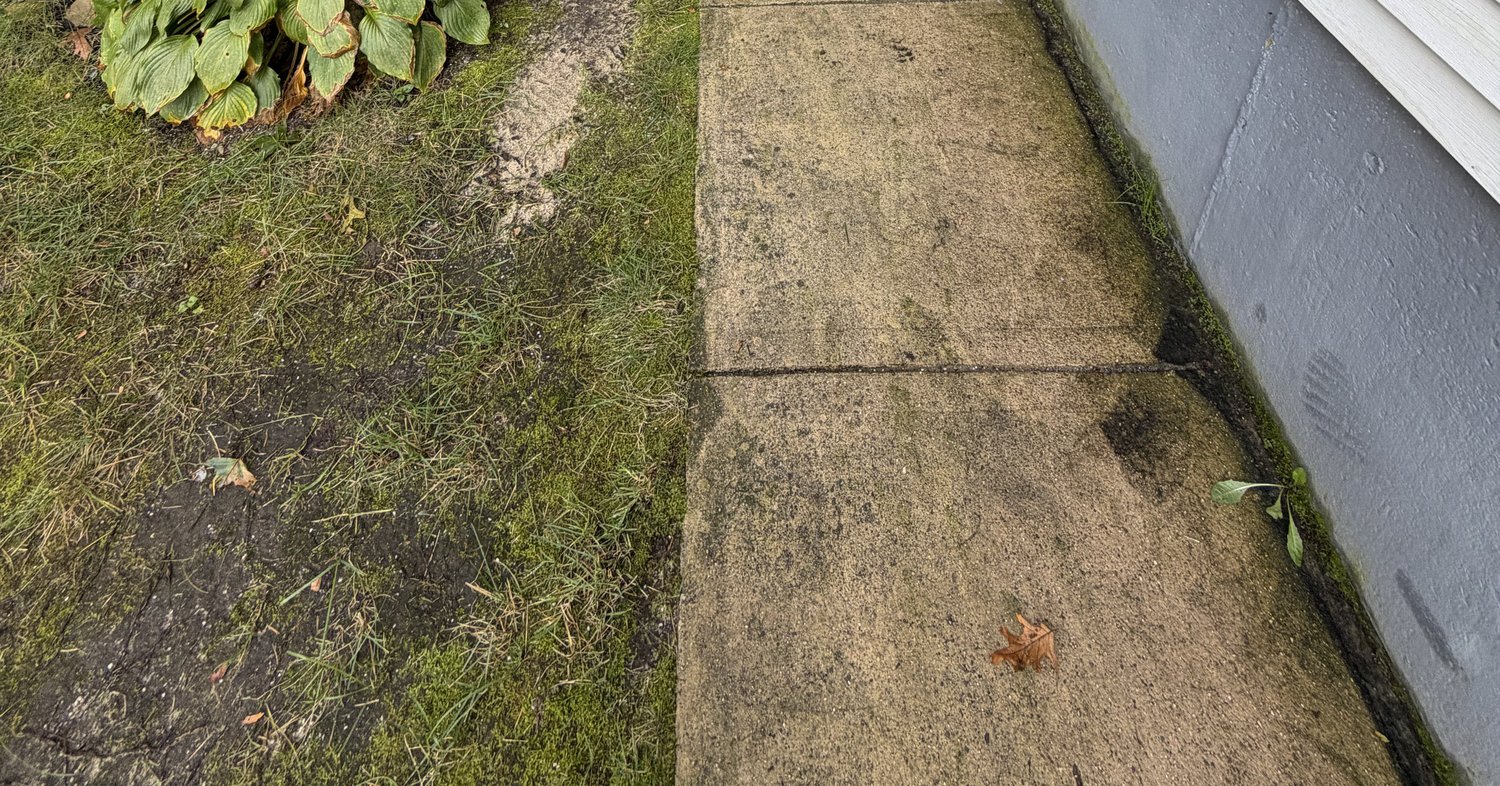
Hairline cracks on the surface are normal in concrete and usually do not affect structural integrity. These happen because concrete shrinks slightly as it cures, and minor cracking is expected during the first year after installation. You can seal these with a concrete crack filler and move on. This type of cracked stoop fix takes less than an hour.
Wider cracks that run horizontally across the face of a step or vertically through the riser are a bigger concern. These often indicate that the soil underneath has shifted or settled unevenly. On Long Island, clay-heavy soil is common, and it expands and contracts with moisture changes throughout the year.
Spalling happens when the top layer of concrete flakes off in chips or sheets. It looks rough and uneven, and it gets worse every winter as water seeps in and freezes. Spalling is usually caused by poor finishing during the original pour, deicing salt damage, or a mix that did not have enough air entrainment for our climate. A concrete stoop resurface treatment is usually the right cracked stoop fix for spalling that has not yet reached the rebar.
Settling or tilting is the most serious sign. If your stoop has pulled away from the house, tilted to one side, or dropped an inch or more from its original position, the foundation underneath has failed. No cracked stoop fix or concrete stoop resurface treatment will solve a settling problem.
When Stoop Repair Makes Sense
Stoop repair is the right move when the damage is limited to the surface and the structure underneath is still solid. You can repair a cracked stoop successfully if the following conditions apply to your situation. The right cracked stoop fix depends on the type and extent of the damage.
The cracks are less than a quarter inch wide and do not extend through the full thickness of the concrete. Surface-level cracks can be filled, sealed, and finished to match the surrounding material. The repair will last five to ten years if the underlying soil is stable.
Spalling covers less than 25 percent of the total surface area. A concrete stoop resurface treatment is the go-to solution for this kind of damage. Resurfacing compounds bond to the existing concrete and create a smooth, fresh finish.
The stoop is level and has not shifted from its original position. If the stoop still sits flush against the house and the steps are even from side to side, the foundation is doing its job. Surface repairs on a level stoop can extend its life by a decade or more. A concrete stoop resurface job on a stable base can look as good as new.
The stoop is less than 15 years old. Younger concrete is more likely to accept repair materials and bond properly. Older concrete that has gone through 15 or more Long Island winters may be too deteriorated below the surface for a cracked stoop fix to hold. At that point, replacement becomes the smarter investment.
When Full Replacement Is the Better Option
There comes a point where repairing a cracked stoop costs more in time and frustration than replacing it outright. Trying to repair a cracked stoop with structural settling is throwing good money after bad. Here are the clear signs that repair is not enough.
The stoop has settled more than half an inch. Mudjacking or foam lifting can sometimes correct minor settling, but anything beyond half an inch usually means the original base was not compacted properly. Lifting a stoop without addressing the base just delays the same problem by a year or two.
Cracks go all the way through the concrete from top to bottom. Through-cracks mean the stoop has separated into independent pieces. Water enters those cracks every time it rains, and freeze-thaw cycles on Long Island will push the pieces further apart every winter.
The rebar or wire mesh is exposed or rusted. Once reinforcement is visible, the concrete cover has deteriorated beyond repair. Rust on the rebar means it has been exposed to moisture for years, and the expansion of rusting steel creates even more cracking from the inside out.
You have already repaired the same stoop two or more times. Repeated repairs on the same surface are a sign that the underlying problem was never addressed. At that point, the cost of another repair is wasted money. A full replacement gives you a fresh start with a properly built foundation. Consider a paver stoop repair approach for the rebuild, since pavers handle Long Island weather better than poured concrete.
Stoop Repair Methods and Costs
If your stoop qualifies for repair, several methods are available depending on the type and severity of the damage.
Crack Filling and Sealing
The simplest and least expensive option. A contractor cleans out the crack, applies a flexible polyurethane or epoxy filler, and smooths it flush with the surface. This cracked stoop fix works for cracks up to a quarter inch wide. Cost runs $100 to $300 for a typical front stoop with a few cracks.
Concrete Resurfacing
Concrete stoop resurface treatments cover the entire top surface with a thin layer of polymer-modified cement. The concrete stoop resurface compound bonds to the old surface and creates a new wearing layer. You can add color, texture, and even a stamped pattern to change the look completely. Cost runs $400 to $1,200 depending on the size of the stoop and the finish you choose.
Patching and Rebuilding Edges
Crumbling edges and chipped corners can be rebuilt with hydraulic cement or a concrete bonding compound. The contractor forms the edge with a temporary mold, fills it, and finishes it to match. This type of paver stoop repair or concrete stoop repair costs $200 to $600 depending on how many edges need work.
Mudjacking and Foam Lifting
If the stoop has settled slightly but the concrete itself is in good shape, mudjacking pumps a slurry of cement, water, and soil beneath the slab to raise it back to level. Polyurethane foam lifting is a newer alternative that uses expanding foam instead. Both methods cost $500 to $1,500 and can be completed in a few hours.
| Repair Method | Best For | Cost Range | Lifespan |
|---|---|---|---|
| Crack filling | Hairline to 1/4 inch cracks | $100 to $300 | 5 to 10 years |
| Resurfacing | Spalling and surface wear | $400 to $1,200 | 8 to 15 years |
| Edge patching | Chipped corners and edges | $200 to $600 | 5 to 8 years |
| Mudjacking or foam lift | Minor settling (under 1/2 inch) | $500 to $1,500 | 5 to 10 years |
Stoop Replacement Options for Long Island Homes
When repair is not enough, you have three main replacement options. Each comes with different costs, timelines, and long-term performance characteristics.
Precast Concrete Steps
Precast steps are manufactured off-site and delivered ready to install. A crew removes your old stoop, prepares the base, and drops the new precast unit into place. The entire job takes one day. Precast steps cost $600 to $2,000 installed, making them the most affordable replacement option. The downside is limited design options and a basic appearance.
Poured-in-Place Concrete
Poured concrete gives you complete control over the shape, size, and finish of your new stoop. A contractor builds forms on site, pours the concrete, and finishes it smooth, broom-textured, or stamped. Poured stoops cost $1,800 to $6,000 depending on size and finish. They take three to five days including curing time, and you cannot use the stoop for at least 48 hours after the pour.
Paver Stoop
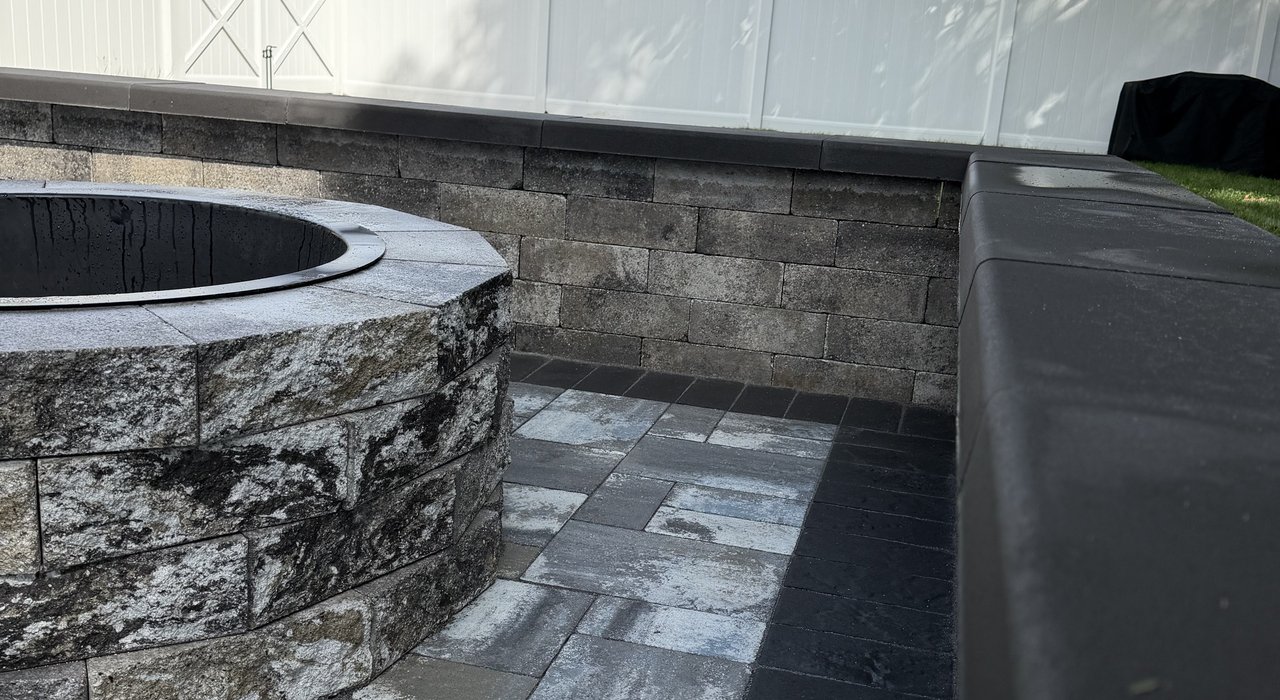
A paver stoop uses individual interlocking units set on a concrete or compacted gravel base. Paver stoops offer the widest range of colors, patterns, and styles. They also handle freeze-thaw cycles better than poured concrete because the joints between pavers absorb ground movement. Cambridge Pavingstones are especially popular on Long Island for their ArmorTec surface protection.
Paver stoop repair is also far simpler than concrete repair. If a single paver cracks or stains, you pop it out and drop in a new one. No patching compounds, no color matching, and no waiting for anything to cure. Affordable Patio builds paver stoops across Suffolk County with a 3-year workmanship warranty. Call (631) 275-3142 for a free estimate.
Concrete Stoop vs. Paver Stoop
If you are going to replace your stoop anyway, it is worth comparing your two main material options head to head.
| Factor | Concrete Stoop | Paver Stoop |
|---|---|---|
| Cost range | $1,800 to $6,000 | $2,500 to $7,000 |
| Lifespan | 20 to 30 years | 30 to 50 years |
| Freeze-thaw resistance | Moderate | Excellent |
| Repair difficulty | Requires patching and color matching | Swap individual pavers |
| Design options | Limited (stamps and stains) | Dozens of colors and patterns |
| Installation time | 3 to 5 days plus curing | 2 to 3 days, usable immediately |
The initial cost difference between a concrete stoop and a paver stoop repair option is smaller than most homeowners expect. When you factor in the longer lifespan, easier repairs, and better freeze-thaw performance, a paver stoop often costs less over its full life than a concrete stoop that needs resurfacing every 10 to 15 years.
How Long Island Climate Affects Stoop Damage
Long Island’s climate is particularly tough on concrete stoops. Understanding why helps you make a smarter decision about repair vs replacement.
Our winters bring 20 to 30 freeze-thaw cycles per season. Every cycle pushes water into cracks, freezes it, expands the crack, and then thaws. This process is the number one cause of stoop deterioration on Long Island. Concrete stoops without proper air entrainment in the mix are especially vulnerable.
Road salt and deicing chemicals accelerate the damage. Salt lowers the freezing point of water on the surface, but it also creates a chemical reaction that breaks down the calcium compounds in concrete. The Portland Cement Association recommends using calcium magnesium acetate or sand instead of rock salt on concrete surfaces less than one year old.
Humidity and rain are constant factors from spring through fall. Long Island receives 40 to 50 inches of precipitation per year. Concrete that stays damp absorbs more water, which means more material is available to freeze when winter arrives. Proper drainage around your stoop and a quality sealer are essential for extending its life.
Coastal salt air adds another layer of wear for homes in South Shore communities and the East End. Airborne salt crystals settle on concrete surfaces and pull moisture into the pores, accelerating spalling and surface breakdown. A paver stoop repair holds up far better than bare poured concrete against salt penetration.
Frequently Asked Questions
How do I know if my stoop crack is structural or cosmetic?
Place a ruler across the crack. If the two sides are at different heights, the crack is structural and indicates settling or shifting. If the sides are flush and the crack is less than a quarter inch wide, it is likely cosmetic and can be repaired. Also check whether the crack continues to grow over time. Mark the ends with tape and check again in a month. Growing cracks point to an ongoing structural problem.
Can I resurface a concrete stoop myself?
Concrete stoop resurface products are available at home improvement stores, and a handy homeowner can apply them with basic tools. However, the results depend heavily on surface preparation. The old concrete must be completely clean, free of loose material, and properly dampened before applying the resurfacer. Skipping prep steps is the most common reason a DIY concrete stoop resurface job fails within the first year. For a stoop that gets daily foot traffic, professional installation is worth the extra cost.
How long does a paver stoop last on Long Island?
A properly installed paver stoop lasts 30 to 50 years on Long Island. Cambridge Pavingstones carry a lifetime structural warranty. Compared to a concrete stoop that cracks and needs a full concrete stoop resurface every decade, a paver stoop is a better long-term value. The key to longevity is proper base preparation, which includes at least 6 inches of compacted gravel for residential stoops. Affordable Patio follows manufacturer specifications on every stoop installation to ensure maximum lifespan.
Does a new stoop require a building permit in Suffolk County?
Most Suffolk County towns require a permit for stoop replacement that involves new construction or changes to the footprint. Simple resurfacing or cosmetic repairs typically do not require a permit. Check with your local building department or ask your contractor. Affordable Patio handles all permit applications as part of our stoop replacement projects.
What is the best time of year to replace a stoop on Long Island?
Spring and fall are the ideal seasons for stoop replacement on Long Island. Temperatures between 50 and 80 degrees give concrete the best curing conditions and allow paver installation without the complications of extreme heat or freezing weather. Summer works too, but hot concrete cures faster and requires more careful water management. Avoid scheduling concrete work between December and February.
Can I add a railing to my existing stoop without replacing it?
Yes, railings can be added to an existing stoop by drilling into the concrete and anchoring metal posts with epoxy. The International Residential Code requires a graspable handrail on any stairway with four or more risers. Many Suffolk County and Nassau County towns enforce this code. Adding a railing to a structurally sound stoop costs $300 to $800 depending on the material and length.
Protecting Your Investment
Whether you repair or replace your stoop, a few simple steps will extend its life and protect your investment for years to come.
Apply a penetrating concrete sealer every two to three years if you have a poured concrete stoop. Sealers block moisture from entering the pores and reduce freeze-thaw damage. A paver stoop repair like re-sanding the polymeric sand joints every five to eight years maintains joint stability and keeps the surface looking sharp.
Keep your stoop clean and clear of debris. Leaves, dirt, and organic material trap moisture against the surface and promote staining and algae growth. A quick sweep once a week and a rinse with a garden hose once a month will keep things looking good.
Fix drainage problems before they damage your stoop. Water pooling at the base of your steps is a red flag. Make sure the soil around the stoop slopes away from the foundation, and clean your gutters regularly so downspout runoff does not flow across the stoop surface.
If your stoop is showing signs of damage and you are not sure whether to repair or replace it, Affordable Patio offers free assessments for homeowners across Suffolk County and Nassau County. Our team will inspect the damage, evaluate the foundation, and tell you whether a simple repair a cracked stoop approach or a full paver stoop repair replacement is the right move. Call (631) 275-3142 or visit our contact page to schedule your free consultation today.