
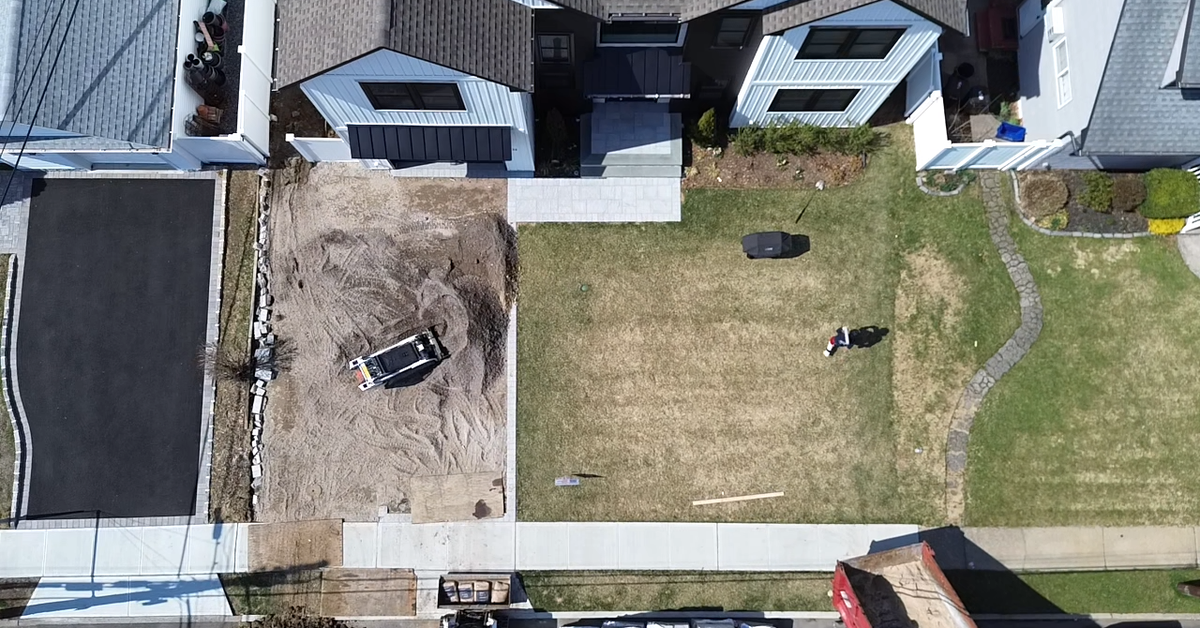
Paver stone driveway installation has to support more weight, movement, and pressure than a backyard patio. A patio carries furniture, grills, foot traffic, and family gatherings. A driveway carries parked vehicles, turning tires, delivery trucks, and repeated load cycles. Affordable Patio has installed over 1,000 driveways across Suffolk County and installs driveway applications to manufacturer specs. This guide explains why driveway pavers need stronger base preparation, better compaction, edge restraint, load planning, and drainage than patio pavers.
Table of Contents
Quick Answer
Paver stone driveway installation needs a stronger base than patio pavers because vehicles create heavier, repeated pressure on the surface. A proper driveway paver installation should include deeper subbase planning, stronger compaction, reliable edge restraint, smart drainage, and a layout that can handle parked cars, turning tires, and Suffolk County weather.
Why paver stone driveway installation is different from patio work
Paver stone driveway installation is not just patio installation in the front yard. The surface may look similar, but the load is completely different. Patio pavers mainly support people, furniture, and outdoor features. Driveway pavers must support thousands of pounds while vehicles stop, turn, reverse, and park in the same areas every day.
A Suffolk County driveway contractor should review the current driveway, expansion areas, garage elevation, apron, drainage path, and soil conditions before choosing the final driveway paver installation approach. If the driveway connects to a walkway, stoop, or front entry, the elevations also need to meet cleanly.
Affordable Patio’s Suffolk County driveway service explains that driveway projects often begin because of expansion or deterioration, and that asphalt can settle, crumble, and crack over years of vehicle use. Paver stone driveway installation has to solve those same pressure issues with better base and layout planning.
The paver driveway base does the hardest work
The paver driveway base is the part homeowners do not see, but it does most of the work. Below the finished surface, the subbase spreads vehicle weight, reduces settlement, and keeps the driveway stable through rain, heat, cold, and daily use.
For patios, Affordable Patio uses 4 to 6 inches of crushed concrete base, compacted with a gas-powered plate compactor, followed by about 1/4 inch of fine mason sand, paver installation, concrete edge restraint, and polymeric sand joints. A driveway paver installation needs heavier thinking because vehicle loads are more demanding than patio traffic.
During paver stone driveway installation, the existing asphalt and weak subbase may need to be removed. Soil may also need to be carted away when a driveway is expanded into a lawn area. A strong paver driveway base starts with proper excavation, stable material, and compaction that fits the load. Paver stone driveway installation should never begin with the assumption that a patio base is enough.
Compaction, load planning, and why driveway pavers move
Driveway pavers often fail when the surface is treated like a walkway or patio. Tires create point pressure. Turning wheels can twist pavers. Parked vehicles can press the same spots every day. Paver stone driveway installation should be planned for real use, not ideal use.
Compaction helps the paver driveway base lock together before the driveway pavers are installed. Affordable Patio’s driveway process describes a 4-inch crushed concrete base compacted with a power roller for asphalt driveways, then regrading and rolling again before the blacktop stage. That same lesson applies to paver stone driveway installation because the base has to carry moving loads.
A Suffolk County driveway contractor should ask what vehicles use the driveway. A sedan, pickup truck, work van, boat trailer, and delivery vehicle do not create the same pressure. Load planning helps decide whether the driveway paver installation needs added base depth, tighter edge planning, or extra attention near the garage and apron.
Edge restraint and drainage protect the driveway over time
Edge restraint is more important on driveways than many homeowners realize. Driveway pavers can spread outward if the borders are weak, especially near turning areas, curved edges, and the end of the driveway. Paver stone driveway installation should include a plan for exposed edges so the surface stays tight over time.
Drainage is just as important. Water that sits under or beside a driveway can soften the base, create low spots, and worsen freeze-thaw movement. The Department of Energy explains that managing moisture around below-grade building areas is important because water problems often start when drainage is not controlled.
In Suffolk County, drainage planning can change from one property to the next. South Shore sandy soils may drain quickly but still shift if the base is poor. North Shore areas may include clay pockets, rock, or steeper grades. A Suffolk County driveway contractor should review downspouts, street pitch, apron height, garage elevation, and puddling areas.
| Build factor | Patio pavers | Driveway pavers |
|---|---|---|
| Typical load | Foot traffic, furniture, grills, and gatherings | Cars, trucks, turning tires, parked weight, and delivery traffic |
| Base planning | Built for outdoor living use | Built for repeated vehicle pressure |
| Compaction | Plate compaction may be enough for many patios | Heavier compaction planning is needed for the paver driveway base |
| Edge restraint | Supports borders and keeps patio shape clean | Helps prevent driveway pavers from spreading under tire movement |
| Drainage | Moves water away from home and patio surface | Protects the base, garage edge, apron, and vehicle areas |
If your driveway will carry daily vehicles, work trucks, or frequent deliveries, contact Affordable Patio before choosing materials. Paver stone driveway installation should start with the right base plan before the final driveway pavers are selected.
Mistakes to avoid in driveway paver installation
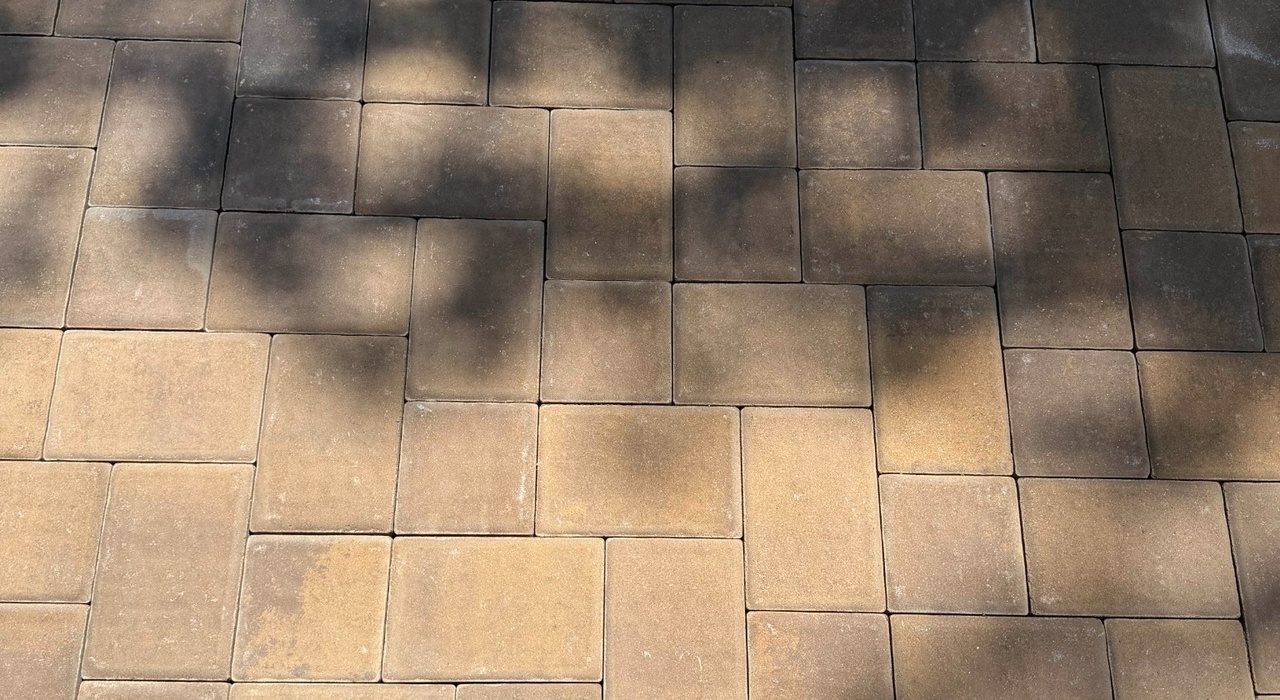
One common mistake is focusing only on the surface paver. A good-looking paver does not fix a weak paver driveway base. Paver stone driveway installation should be judged by excavation, base material, compaction, drainage, edge restraint, and transitions as much as color or pattern.
Another mistake is ignoring where tires turn. Areas near the garage, street apron, and parking zones need special attention. If driveway pavers are not supported properly at these stress points, the surface can shift faster than expected.
A third mistake is poor water planning. Driveway paver installation should never trap water against the garage, foundation, walkway, or lawn edge. Review Affordable Patio’s patio installation process to see how pitch, base prep, edge restraint, and joint finishing affect paver performance.
What to ask a Suffolk County driveway contractor before work starts
Before paver stone driveway installation begins, ask how the contractor will handle base depth, compaction, drainage, and edges. A Suffolk County driveway contractor should explain the difference between a patio base and a driveway base without giving vague answers.
- What existing material needs to be removed?
- How will the paver driveway base be built and compacted?
- How will the driveway handle turning tires and parked vehicles?
- Where will water flow during heavy rain?
- How will the driveway connect to the garage, street apron, walkway, or stoop?
Use Affordable Patio’s Build & Price tool to start organizing your project, then review the step-by-step process before scheduling a site visit. A clear driveway paver installation plan is easier to price when access, grade, and drainage are reviewed early.
Paver stone driveway installation should also be planned around weather, material delivery, and how long the driveway will be out of use. For homeowners comparing options, Affordable Patio’s Suffolk County paver contractor page explains that local paver work should account for soil types, drainage conditions, and municipal requirements across the county.
Frequently Asked Questions
Why does paver stone driveway installation need a stronger base?
Paver stone driveway installation needs a stronger base because vehicles create repeated heavy loads. The base must support parked weight, turning tires, braking, drainage, and seasonal soil movement.
What is a paver driveway base made of?
A paver driveway base usually includes excavated and compacted subgrade, crushed stone or RCA, a bedding layer, and proper edge restraint. The exact paver driveway base depends on soil, load, and site conditions.
Is driveway paver installation harder than patio installation?
Driveway paver installation is usually more demanding because the surface must support vehicles instead of furniture and foot traffic. Compaction, edge restraint, drainage, and load planning are more critical.
Can driveway pavers handle trucks?
Driveway pavers can handle trucks when the base, compaction, paver thickness, and edge restraint are designed for that load. A Suffolk County driveway contractor should review expected vehicle use before installation.
How do I choose a Suffolk County driveway contractor?
Choose a Suffolk County driveway contractor who explains base prep, drainage, compaction, paver selection, and load planning. Ask about local soil conditions, access, apron transitions, and what happens before pavers are installed.
Conclusion
Paver stone driveway installation needs stronger planning than patio work because driveways carry heavier loads, more movement, and more water exposure. The paver driveway base, compaction process, edge restraint, drainage plan, and vehicle-use review all affect the final result. With 15+ years of Suffolk County experience and more than 1,000 driveways installed, Affordable Patio helps homeowners understand what is happening below the surface before the first driveway pavers are set.
For paver stone driveway installation in Suffolk County, contact Affordable Patio today and get a driveway plan built around your vehicles, soil conditions, drainage, and long-term curb appeal.