
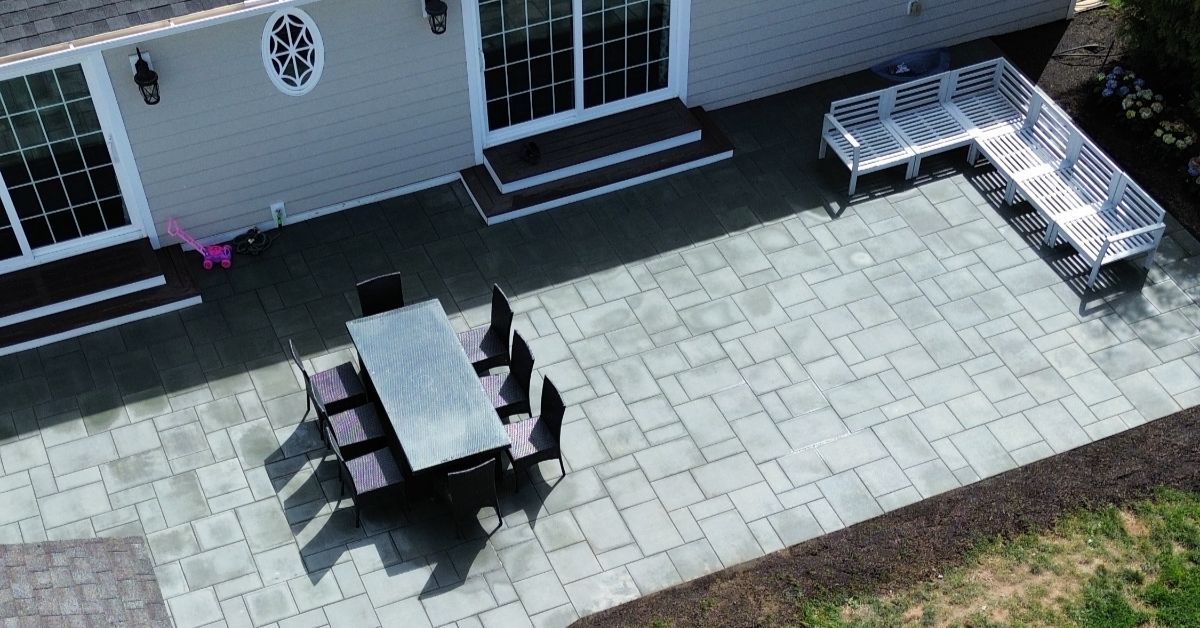
Paver patio installation in Suffolk County works best when planning starts before any digging begins. After 15+ years serving Suffolk County and more than 2,000 patios installed, our team has seen how much smoother a project feels when homeowners understand the process early. This guide explains layout, access, base prep, drainage, permits when needed, project timing, and local soil conditions. If you are comparing a patio installer or preparing for custom paver patio installation, these planning points will help you ask better questions.
Paver patio installation starts with layout planning, grade review, access checks, material selection, and base preparation. In Suffolk County, drainage and soil conditions matter because sandy South Shore lots, heavier North Shore soils, and freeze-thaw cycles can all affect how the patio should be built.
Table of Contents
Why paver patio installation planning matters in Suffolk County
Good planning is not just about choosing a paver color. The early stage decides how the finished space will drain, how comfortable it will feel, and whether the patio connects naturally to the house, pool, grill, walkway, or fire pit. A trusted Suffolk County patio contractor should look at the full yard before recommending a final layout.
We start by asking how the space will be used. This is where a patio installer should discuss furniture clearances, door swings, steps, and traffic flow. For many homeowners, paver patio installation is not about making the project bigger. It is about making each square foot more useful.
Before patio installation begins, homeowners should also think about access. Crews may need room for a skid steer, pallets, base material, and debris removal. Tight side yards, fences, irrigation, outdoor outlets, and pool equipment should all be reviewed during the estimate.
Patio layout: size, shape, and daily use
The best paver patio installation layout starts with real-life use. A dining table often needs more space than homeowners expect because chairs must slide out comfortably. A grill area needs clearance from siding, railings, and traffic paths. A lounge area needs enough room for furniture without blocking the route to the yard or pool.
A patio installer should help map the project around the house, not just the open grass. In Suffolk County, many homes have mature landscaping, existing decks, older stoops, sprinkler lines, and narrow access points. These details can influence the patio shape and order of work.
- Cooking zone: grill, BBQ island, prep space, and safe walking room.
- Dining zone: table, chairs, shade, and access to the kitchen.
- Relaxing zone: sofa seating, fire pit area, or sitting wall.
- Circulation zone: walkways, steps, pool access, and lawn entry.
Drainage, pitch, and water movement before patio installation
Drainage is one of the most important parts of patio installation in Suffolk County. A patio should never push water toward the foundation, basement entry, garage, pool, or neighbor’s property. The ground should be reviewed before paver patio installation so the finished surface moves water in the right direction.
Affordable Patio commonly uses about 1.5 inches of pitch every 10 feet away from the home, depending on the yard and project conditions. The U.S. Department of Energy also explains that drainage helps move water away from foundation areas, which is why paver patio installation should respect the home’s existing water patterns.
A Suffolk County patio contractor should also look for low spots, downspout discharge, pool splash zones, and areas where soil stays wet after rain. South Shore properties may drain quickly but still need proper grading. North Shore properties may have heavier soils or rocky conditions that need careful prep.
Base prep and local soil conditions for paver patio installation
Base prep is what separates a short-term patio from a long-lasting one. For standard paver patio installation, Affordable Patio installs 4 to 6 inches of crushed concrete base, compacts it with a gas-powered plate compactor, adds about 1/4 inch of fine mason sand for leveling, installs the pavers, secures exposed edges with concrete edge restraint, and finishes the joints with polymeric sand.
Soil conditions affect how that process should be managed. Suffolk County has sandy soils, clay pockets, rocky areas, coastal moisture, and freeze-thaw movement. A patio installer should confirm grade, remove unsuitable soil, compact the ground, and install the base in lifts where needed. This helps reduce settling.
During custom paver patio installation, base planning may also change around pool patios, raised areas, steps, or heavy features like outdoor kitchens. These details should be discussed before the contract is signed because they can affect access, material delivery, and scheduling.
Permits, materials, and scheduling with a Suffolk County patio contractor
Not every patio project needs the same approvals, but homeowners should ask about permits before work begins. Rules can vary by town, village, HOA, property setbacks, drainage changes, pool areas, and structures connected to the patio. A Suffolk County patio contractor can help you understand what questions to ask locally before the project starts.
Material selection also matters. Affordable Patio commonly works with Cambridge Pavingstones with ArmorTec, and the right paver choice should fit the home style, budget, use, and maintenance expectations. Before finalizing patio installation, homeowners should view colors in person when possible because catalogs and screens can make pavers look different.
Scheduling should be realistic. Weather, material delivery, property access, and project complexity all affect timing. Affordable Patio’s process includes consultation, estimate, material selection, scheduling, installation, cleanup, and final walkthrough. Review the step-by-step paver installation process and use the online Build & Price tool for a starting budget range.
If you are planning paver patio installation this season, start with layout, drainage, and access questions first. A clear plan now can save time once your project reaches the schedule.
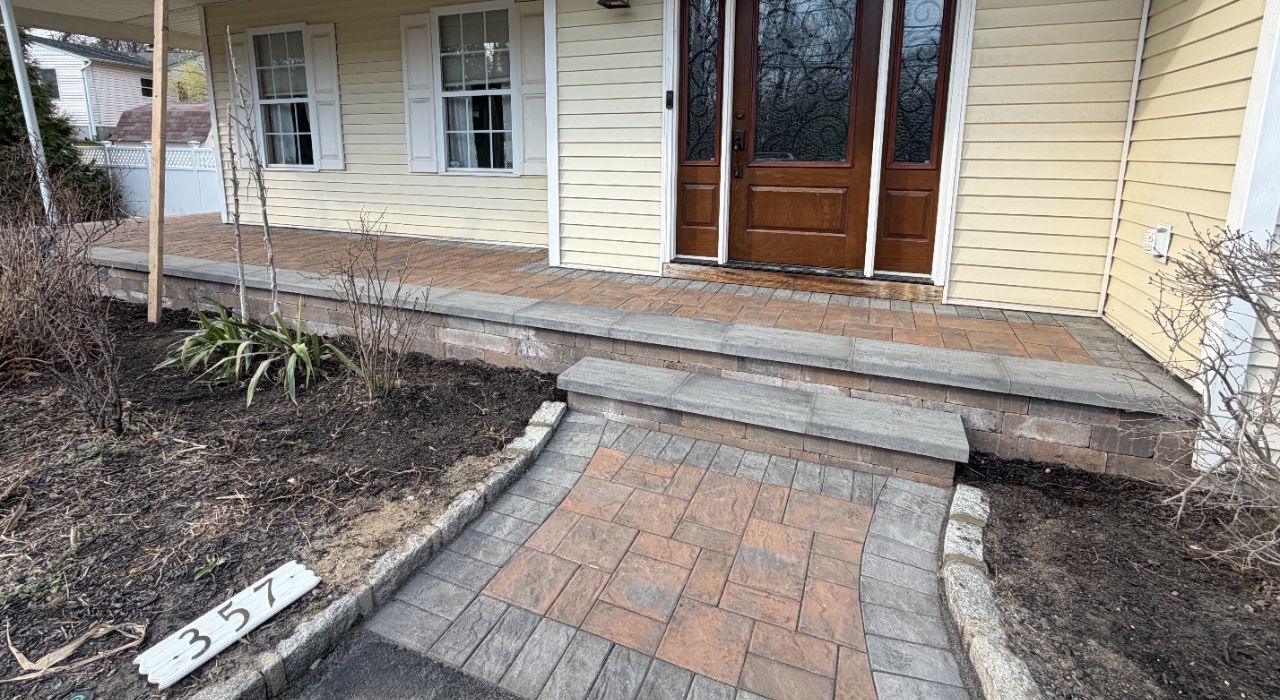
Paver patio installation planning checklist
| Planning item | What to review | Why it matters |
|---|---|---|
| Layout | Dining, grilling, lounging, pool access, and walkways | Prevents a patio that looks good but feels cramped |
| Drainage | Pitch, low spots, downspouts, and water flow | Helps move water away from the home and patio surface |
| Base prep | Excavation, compaction, RCA base, and sand leveling | Supports long-term stability through Suffolk County seasons |
| Access | Fence openings, driveway space, utilities, and equipment | Helps the crew work efficiently and protect the property |
| Selections | Paver style, border, color, pattern, and upgrades | Keeps the finished patio aligned with the home and budget |
Seasonal timing for paver patio installation
Spring and summer are popular times for paver patio installation because homeowners want the yard ready for gatherings, pool season, and weekend use. Fall can also be a smart planning window because cooler weather may make outdoor decisions easier before the following spring rush. Rain can slow excavation, wet soil can delay compaction, and material selections may take time. Start early if the patio needs to be ready before a graduation party, summer cookout, or pool opening.
Ready to compare options for patio installation in Suffolk County? Contact Affordable Patio through the Suffolk County contact page and ask what should be reviewed before your estimate.
Frequently Asked Questions
What should I do before the project starts?
Before the project starts, decide how you want to use the space, note drainage concerns, clear access areas, and gather ideas for paver colors or borders. It also helps to mark sprinklers, utilities, pool equipment, and any areas that stay wet after rain.
How does patio installation handle drainage?
Professional patio installation should include grade review and pitch planning so water moves away from the house. In many Suffolk County yards, this means checking low spots, downspouts, and soil conditions before excavation starts.
What makes a good patio installer in Suffolk County?
A good patio installer should explain the base, drainage, materials, access needs, and schedule before work begins. Look for clear communication, local experience, itemized estimates, and a process that includes a final walkthrough.
Is custom paver patio installation worth it?
custom paver patio installation is worth it when the yard has unique needs, such as a pool, outdoor kitchen, fire pit, steps, sitting wall, or unusual grade. The goal is to make the patio fit the home instead of forcing a standard shape into the space.
How do I choose a Suffolk County patio contractor?
Choose a Suffolk County patio contractor who understands local soil, drainage, access issues, and seasonal weather. The contractor should provide a clear estimate, explain material choices, and answer questions before the project starts.
Conclusion
Paver patio installation is easier to plan when homeowners understand layout, drainage, base prep, permits, access, materials, and timing before work begins. Affordable Patio brings 15+ years of Suffolk County experience and more than 2,000 completed patio projects to this planning process. For paver patio installation in Suffolk County, contact Affordable Patio today and start planning a backyard that is built around your home, your drainage, and your family’s everyday use.