
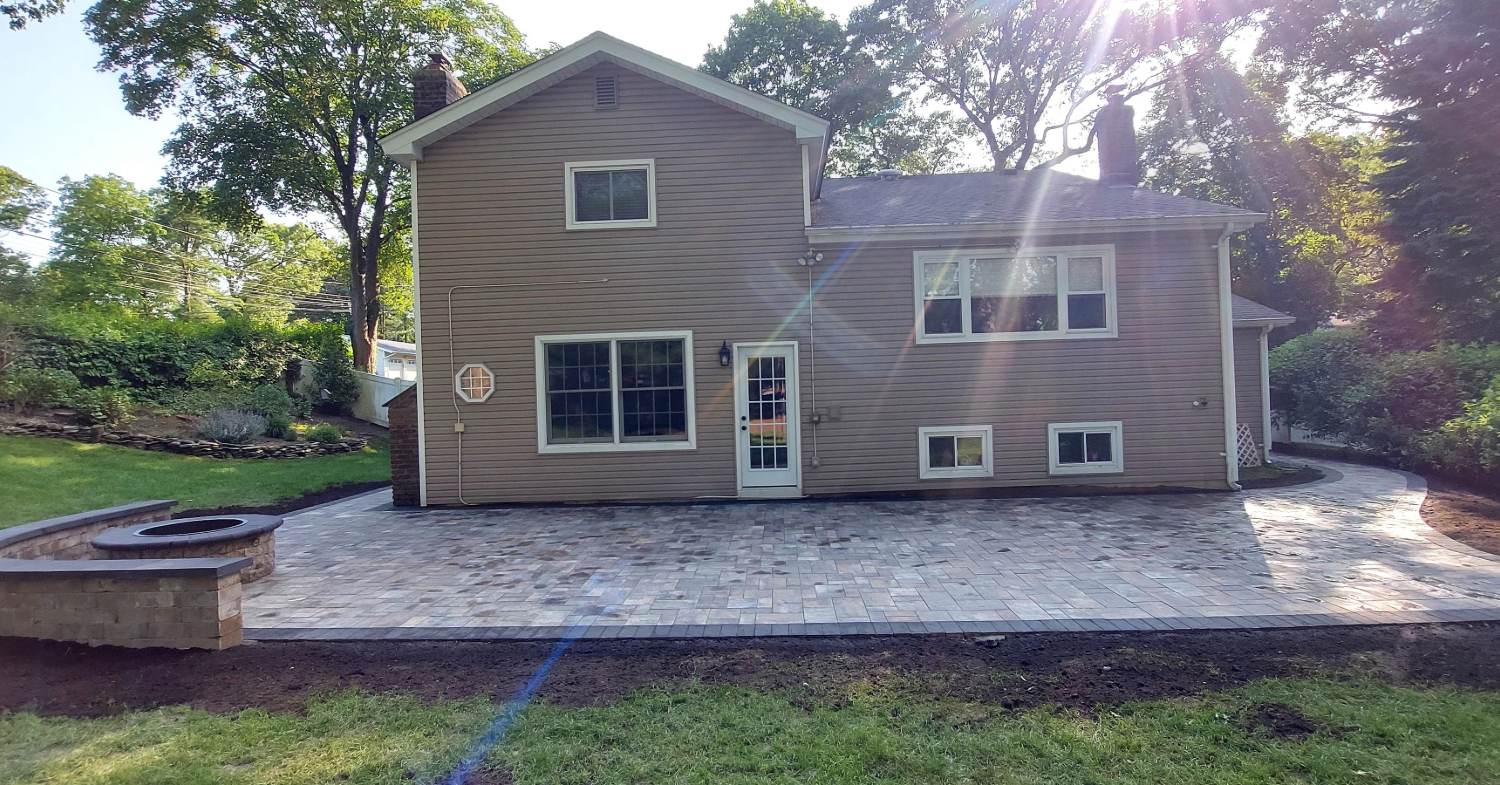
When New Hampshire homeowners think about a new patio, most of the attention goes to the pavers themselves: the color, the pattern, the shape. That is completely understandable. The surface is what you see every day. But here at Affordable Patio New Hampshire, we have built enough patios across the Granite State to know that what sits underneath the pavers is what determines whether your investment lasts ten years or forty. The patio paver base is the foundation of everything, and getting it right is not a step you want to cut corners on.
In this article, we walk you through exactly what a proper patio paver base looks like, why each layer exists, and what happens when those layers are skipped or done poorly. Understanding this will make you a better-informed homeowner and help you ask the right questions before any contractor starts digging in your backyard.
Table of Contents
- Why the Base Is the Foundation of Everything
- What a Proper Patio Paver Base Actually Looks Like
- The Layers Explained: From Subgrade to Sand
- How New Hampshire’s Climate Demands a Stronger Base
- Common Base Mistakes That Lead to Expensive Repairs
- Why Professional Installation Makes All the Difference
- FAQs About Patio Paver Base
- Ready to Build on a Solid Foundation?
Why the Base Is the Foundation of Everything
Most homeowners spend a lot of time picking out the right paver style, color, and pattern. That part is fun. What happens underneath, though, is what determines whether your patio looks as good in ten years as it does on day one. The patio paver base is the structural backbone of any installation, and cutting corners on it is the single most common reason patios fail prematurely.
We have seen it too many times: a beautifully designed patio that starts sinking, cracking, or shifting just a few seasons in. Almost every time we dig into the cause, the problem is not the pavers themselves. It is what was underneath them. At Affordable Patio New Hampshire, we treat base preparation as seriously as the visible surface work, because we know that what you cannot see is what holds everything together.
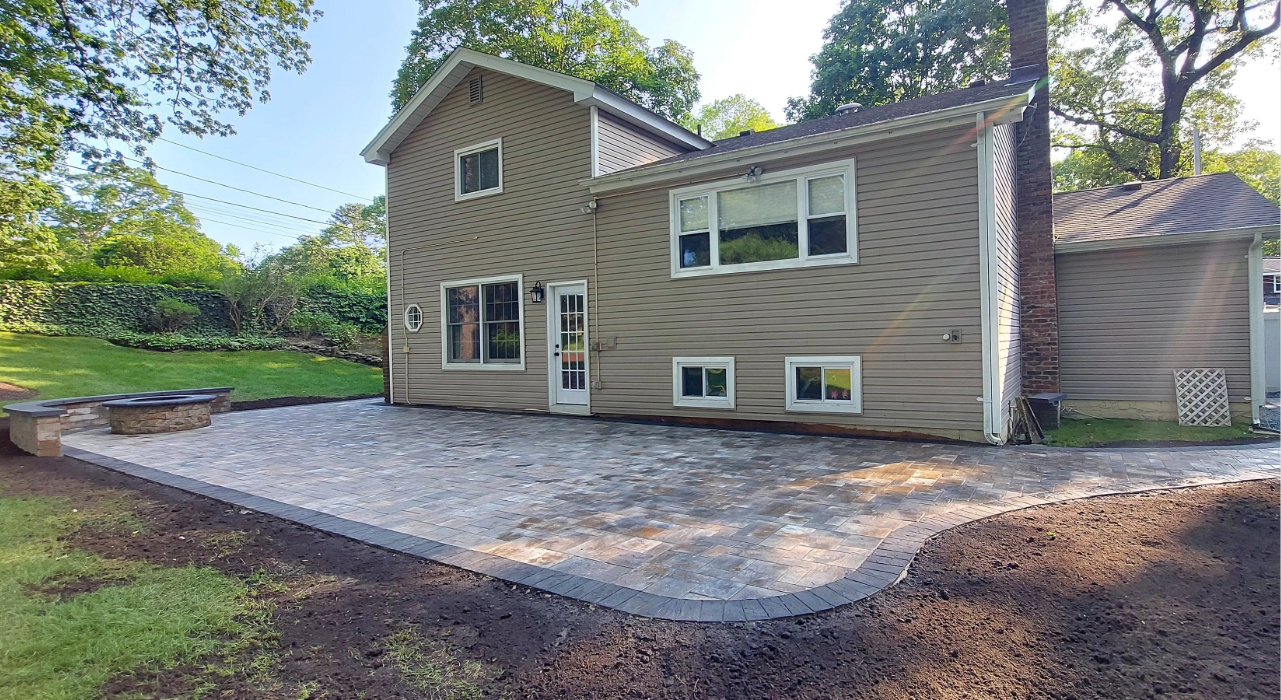
From durable pavers to custom stone features, our New Hampshire patio services are designed to withstand the changing New England seasons.
What a Proper Patio Paver Base Actually Looks Like
A properly constructed patio paver base is not a single material. It is a carefully layered system, each layer serving a specific purpose. Together, these layers distribute weight evenly, allow water to drain away from your home’s foundation, and resist the movement that freeze-thaw cycles cause throughout the New Hampshire winter.
The total excavation depth for a standard patio installation in this region typically runs between seven and eight inches below the finished grade. That accounts for the base layers, the bedding sand, and the pavers themselves. When a contractor proposes anything significantly shallower, that is a sign worth questioning closely.
The Layers Explained: From Subgrade to Sand
The Subgrade: Your Starting Point
The subgrade is the native soil beneath the excavation. Before anything else goes down, this layer needs to be compacted and any soft or organic material removed. Loose soil or old root systems left in place will compress over time and create voids that cause settling.
Crushed Stone Base: The Workhorse Layer
This is the most critical component of the patio paver base system. We install four to six inches of compacted crushed stone, typically a processed angular gravel like three-quarter-inch crusher run. The angular edges of the stone pieces lock together under compaction in a way that rounded stone cannot, creating a rigid, stable platform.
The compaction step is where many DIY projects fall short. Simply dumping stone and leveling it is not enough. The stone needs to be compacted in lifts, meaning in two- to three-inch layers, each run over with a plate compactor before the next layer goes down. Skipping compaction or under-compacting leaves air pockets in the base that collapse under the weight of foot traffic and furniture.
Bedding Sand: The Fine-Tuning Layer
Once the crushed stone base is compacted and level, one inch of coarse bedding sand goes down. This layer is not for drainage. It is for final leveling and for giving the pavers a surface to set into. The sand layer allows minor adjustments during installation and helps the pavers lock together once they are placed and compacted.
A common mistake here is using too much sand, thinking more cushion is better. Excess sand does not compact properly and becomes a source of movement rather than stability. One inch is the standard, and for good reason.
How New Hampshire’s Climate Demands a Stronger Base
New Hampshire winters are not gentle. Ground temperatures regularly drop well below freezing, and the freeze-thaw cycle that occurs repeatedly through the season creates significant ground movement. Water in the soil expands as it freezes, pushing upward against whatever is above it. This is what causes the familiar frost heave that lifts sidewalks, cracks driveways, and shifts patios out of alignment.
A properly constructed patio paver base mitigates this in two ways. First, the depth of the compacted stone base reaches below or at least minimizes contact with the frost zone. Second, the crushed stone material drains water efficiently, meaning there is less saturated water in the base to freeze in the first place. That is why we install to manufacturer specifications using a foundation of four to six inches of compacted crushed stone. It is not arbitrary. It is calibrated to what this specific climate demands.
A shallower base, or one that uses non-draining material like compacted soil, traps water and heaves dramatically over a few seasons. What starts as a small uneven spot becomes a tripping hazard and eventually a full repaving project.
Common Base Mistakes That Lead to Expensive Repairs
Understanding what goes wrong helps you ask the right questions before you hire anyone.
Insufficient depth is the most frequent problem. Some contractors, to save time and material costs, excavate only three or four inches. In a mild climate this might hold for a few years, but in New Hampshire it is a near-certain path to failure.
Using the wrong type of stone is another issue that shows up often. Rounded river gravel looks similar to crushed stone but does not compact and interlock the same way. Under weight and movement, it shifts like ball bearings. The result is a base that slowly spreads outward rather than holding firm.
Skipping edge restraints is a subtler but real problem. Even a perfect base will eventually allow pavers to migrate laterally if there is no firm border holding them in place. Plastic or aluminum edging, properly staked, keeps the entire installation contained.
Finally, some projects skip the compaction of the subgrade entirely and go straight to adding base material over loose or disturbed soil. Any settlement that happens in that native soil will cause corresponding movement in everything above it.
Ready to start planning your backyard transformation? Use our interactive tool to build and price your patio project online.
Why Professional Installation Makes All the Difference
A patio paver base done correctly requires the right equipment, the right materials, and the experience to know how each stage should look and feel before moving to the next. At Affordable Patio New Hampshire, our installations are built to last not because we use more expensive materials than necessary, but because we follow the process completely, every time.
Our team excavates to the correct depth, removes all organic material, compacts the subgrade, places and compacts the crushed stone in proper lifts, and screeds one inch of bedding sand before a single paver is set. That process is why our work holds up through New Hampshire winters year after year, and why we back our installations with a three-year warranty.
We also give homeowners complete transparency throughout. You will know exactly what is going in before it is covered up, and you will have the documentation to understand what you are paying for. No guesswork, no hidden steps, no surprises.
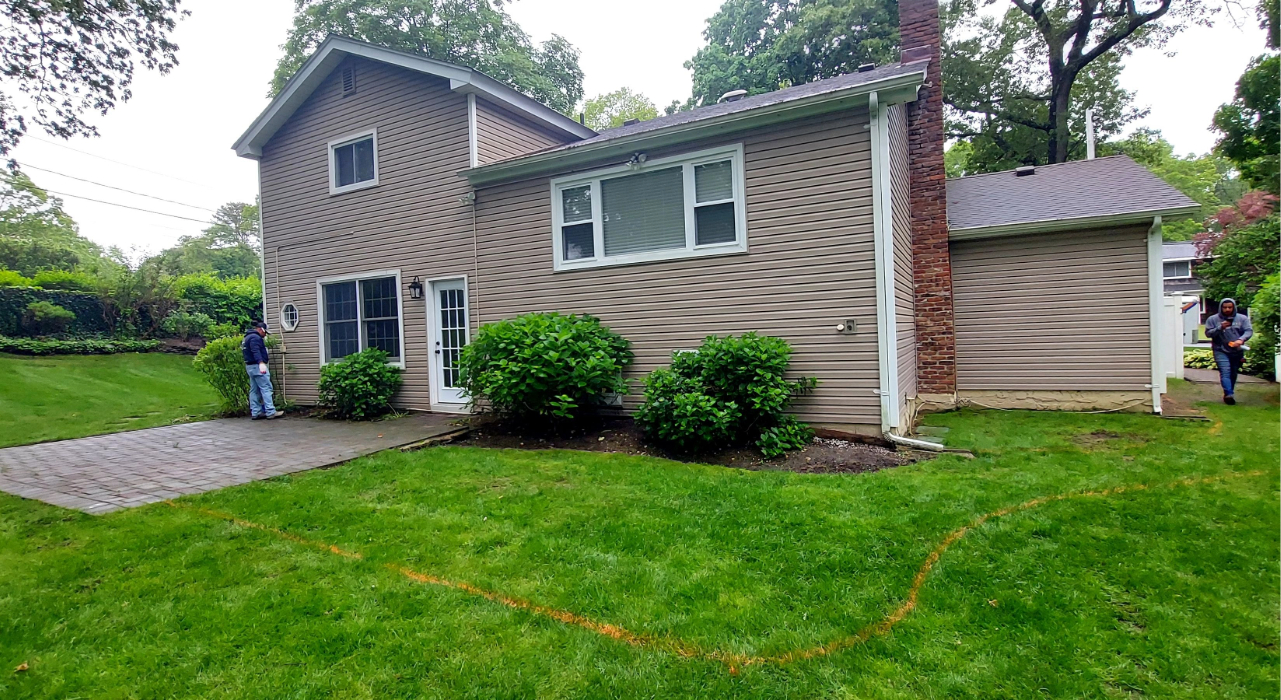
See how we are currently upgrading local homes by browsing our latest jobs in progress across the Granite State.
FAQs About Patio Paver Base
How deep should a patio paver base be?
For most residential patio installations, a compacted crushed stone base of four to six inches is standard. In colder climates with significant freeze-thaw activity, staying toward the deeper end of that range provides better protection against frost heave. Total excavation including sand and paver thickness typically runs seven to eight inches below finished grade.
Can I use sand as a patio paver base instead of crushed stone?
Sand alone should not be used as a base layer. It does not compact with the rigidity that angular crushed stone provides, and it migrates over time, especially when water moves through it. Sand plays an important role as a one-inch bedding layer on top of the compacted stone base, but it is not a structural material by itself.
What is the difference between crushed stone and gravel for a paver base?
Crushed stone has angular edges created during the crushing process. Those edges lock together under compaction and create a rigid, interlocking mass. Round gravel does not interlock. It shifts under pressure and provides far less structural stability. For a paver base, always use angular crushed stone.
What happens if the patio paver base is not compacted properly?
Inadequate compaction leaves air pockets in the base material. Over time and under load, those pockets collapse and cause settling. This appears as low spots, tilted pavers, or sections of the patio that sink unevenly. Repairing this typically requires lifting the affected pavers, adding material, re-compacting, and re-setting the pavers.
Do paver patios need a weed barrier in the base?
Landscape fabric is sometimes placed between the subgrade and the crushed stone base, though opinions vary among professionals. A properly installed base with adequate compaction and joint sand infill provides significant weed resistance on its own. More important is using polymeric sand in the joints, which resists weed germination from above more effectively than fabric below the base.
Ready to Build on a Solid Foundation?
A beautiful patio starts long before the first paver is set. It starts in the ground, with a base built to handle the weight above it and the weather around it. At Affordable Patio New Hampshire, we do not skip steps, and we do not cut corners on the work that no one sees. That commitment is what separates a patio that lasts from one that needs to be redone in three years.
If you are ready to invest in an outdoor space built to stand up to real New Hampshire winters, we would love to hear about your project. Reach out to our team directly or use our online Build and Price tool to get a ballpark estimate from the comfort of your home. Call us at (603) 999-9696 or visit our contact page at affordablepatio.com to get started today.