
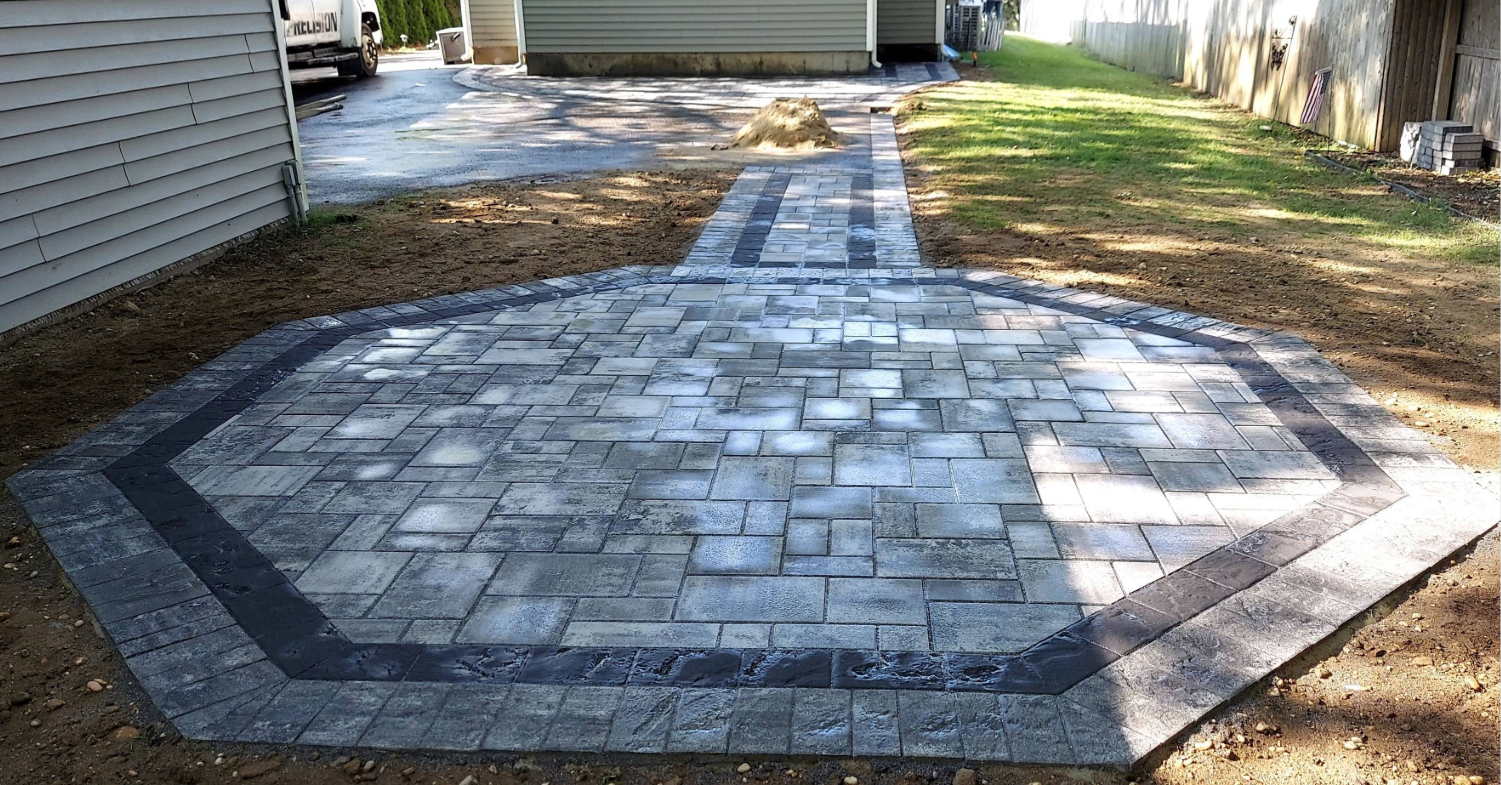
Outdoor living space ideas work best when they make your backyard feel natural, comfortable, and easy to use. Most New Hampshire yards have more potential than homeowners realize, but without a clear layout, the space often becomes something people look at instead of something they live in. A few chairs on the grass may work once in a while, but a finished outdoor space needs structure, flow, comfort, and a surface that can handle New Hampshire weather.
In New Hampshire, outdoor design has to do more than look good in July. It needs to handle wet spring conditions, cool fall evenings, winter freeze-thaw cycles, and daily use during the warmer months. The best outdoor living space ideas start with a durable paver patio, then build around it with fire pits, sitting walls, walkways, steps, lighting, grilling areas, and practical zones for relaxing, eating, and gathering. This guide explains how to plan a backyard that feels finished, works in real life, and stays strong through the seasons.
Quick Answer
The best outdoor living space ideas for New Hampshire homes start with a durable paver patio, then add useful features like fire pits, sitting walls, walkways, steps, BBQ areas, and lighting. A strong design creates zones for dining, relaxing, cooking, and gathering while using materials and installation methods built for New Hampshire freeze-thaw conditions.
Start With the Foundation
Before choosing furniture, plants, lighting, or fire features, start with the surface under your feet. A well-installed paver patio creates the foundation for nearly every outdoor living idea. It gives the yard a defined edge, creates a place for furniture, and turns open lawn into a usable outdoor room.
Without a solid surface, the backyard often feels temporary. Chairs sink into the grass, tables sit unevenly, and people avoid using the space after rain because the ground is wet or muddy. A paver patio solves those problems by creating a clean, stable surface that can support furniture, fire pits, grills, sitting walls, steps, and walkways.
In New Hampshire, the base below the patio matters just as much as the pavers on top. The freeze-thaw cycle can move surfaces that are not built correctly. A quality paver patio should include proper excavation, a compacted crushed stone base, a leveling layer, edge restraints, and polymeric sand. When the foundation is done right, everything added on top performs better.
Affordable Patio installs paver patios in New Hampshire using Cambridge Pavingstones and installation methods designed for long-term performance in Northeast weather.
Design for New Hampshire Weather
Outdoor living space ideas should match the way New Hampshire homeowners actually use their yards. The outdoor season is valuable, but it is not the same as Florida or Southern California. A backyard design that works only on warm summer afternoons will not get used as often as one planned for spring, summer, and fall.
New Hampshire weather creates several design priorities. Drainage matters because spring snowmelt and heavy rain can saturate the ground. A patio or walkway should be pitched so water moves away from the home and does not sit on the surface. Wind matters because a cool evening can feel uncomfortable if the seating area is fully exposed. Shade matters during summer, especially in open yards. Warmth matters during shoulder seasons when temperatures drop quickly after sunset.
A strong outdoor living design responds to all of those conditions. Fire pits extend the season. Sitting walls help block wind. Walkways keep people off muddy grass. Lighting helps the space stay usable after dark. Proper base preparation helps masonry features stay stable through winter.
Before any project that requires digging, homeowners should use New Hampshire 811 Dig Safe so underground utilities can be marked before excavation begins.
Create Outdoor Living Zones
The most useful outdoor living space ideas organize the backyard into zones. A single patio can feel much larger when each area has a clear purpose. Instead of placing furniture randomly, think about how the space should function. Where will people eat? Where will they sit and talk? Where will the grill go? Where should the fire pit be placed? How will guests move from the house to the patio?
A medium-size patio can often support more than one zone. A 15 by 20 foot patio may hold a dining set and grill area. A 20 by 25 foot patio can often include dining, lounge seating, and a fire pit zone if the layout is planned carefully. A larger patio can include a sitting wall, steps, walkway connection, and outdoor kitchen or BBQ area.
Zones do not always require physical walls. A change in paver pattern, an accent border, a sitting wall along one edge, or a fire pit placed at one end of the patio can visually separate areas while keeping the whole space connected.
| Zone | Best Feature | Why It Works |
|---|---|---|
| Dining zone | Paver patio near the back door | Keeps meals close to the kitchen and makes serving easier |
| Lounge zone | Comfortable seating with a sitting wall | Creates a relaxed area for conversation and daily use |
| Fire pit zone | Wood-burning or gas fire pit | Adds warmth and gives people a natural gathering point |
| Cooking zone | Built-in BBQ or outdoor kitchen area | Makes the patio more useful for hosting and family meals |
| Connection zone | Paver walkway | Connects the patio to doors, driveways, steps, and yard areas |
Add a Fire Pit for More Seasonal Use
A fire pit is one of the most effective outdoor living space ideas for New Hampshire homes. It adds warmth, creates a focal point, and makes the patio usable earlier in spring and later into fall. Even a simple fire pit can turn a basic patio into a place where people want to stay after sunset.
There are two main choices: wood-burning and gas. Wood-burning fire pits provide the traditional campfire feel, including sound, smell, and natural flame movement. They are often more affordable to build because they do not require a gas line. The trade-off is that homeowners need wood storage, ash cleanup, and awareness of local open-burning rules.
Gas fire pits are convenient. They turn on and off with a valve or ignition system, create a consistent flame, and do not leave ash behind. They cost more because a licensed plumber must handle the gas line, and permits may be needed depending on the town and scope.
Fire pit placement matters. The best location has safe clearance from the home, fences, trees, overhead structures, and furniture. It should also be close enough to the patio seating area to feel connected, but not so close that heat or smoke becomes uncomfortable.
Affordable Patio offers fire pit installation in New Hampshire for homeowners who want a masonry fire feature built to handle local weather.
Connect the Space With Walkways
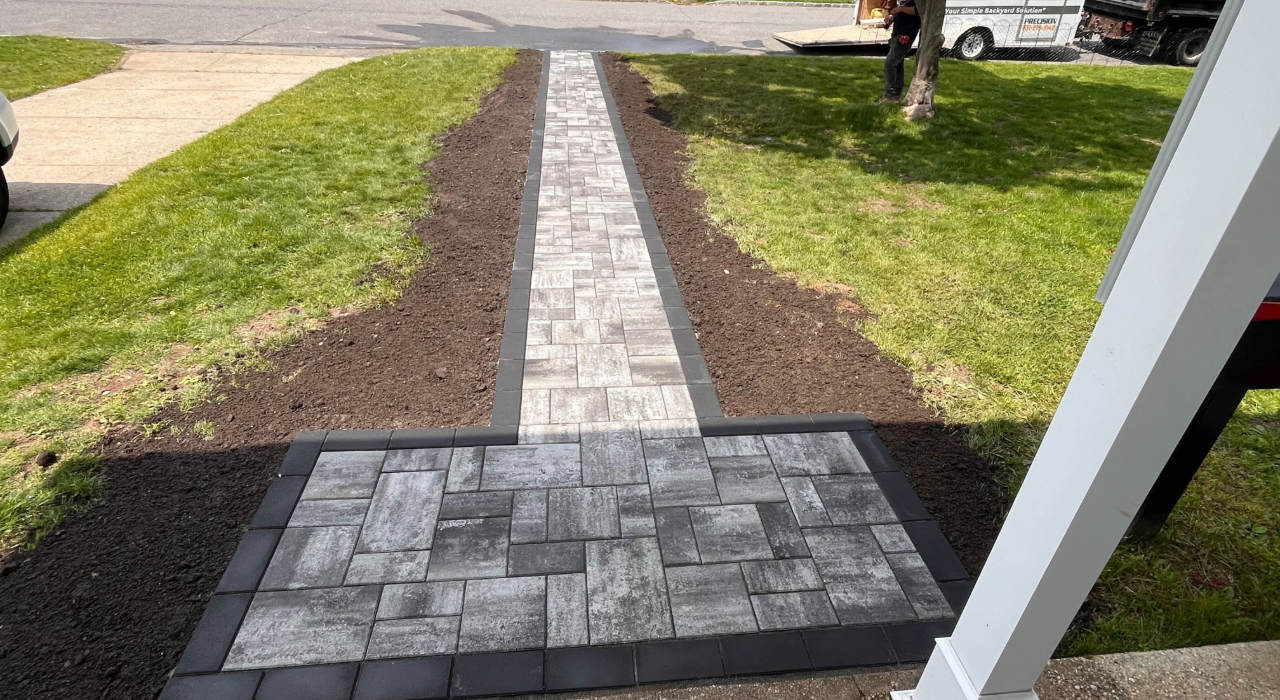
Walkways are often overlooked in outdoor living projects, but they can make the entire backyard feel more complete. A paver walkway gives people a clear path from the driveway, side yard, back door, pool area, garden, or fire pit. It also helps protect the lawn from repeated foot traffic.
In New Hampshire, walkways are especially useful during spring and fall. Wet grass, mud, frost, and uneven ground can make casual yard movement uncomfortable. A properly installed paver walkway creates a clean, stable path that works in more seasons.
Walkway design should connect visually with the patio. The pavers do not need to match exactly, but using complementary colors, similar borders, or the same product family helps the outdoor space feel planned instead of pieced together.
Affordable Patio provides paver walkway installation in New Hampshire with proper base preparation, edge restraints, and polymeric sand.
Use Sitting Walls for Comfort and Structure
Sitting walls are one of the most useful outdoor living space ideas because they solve several problems at once. They add seating, define the patio edge, create visual structure, and help the space feel more like an outdoor room. A patio open on all sides can feel exposed. A patio with sitting walls along one or two edges feels more complete.
The best sitting walls are usually built at a comfortable seating height, often around 18 to 22 inches. They can be placed along the far edge of the patio, around a fire pit zone, beside steps, or along a side that faces wind or neighboring properties.
In New Hampshire, sitting walls need proper footings and installation methods. Wallstone should be installed with structural adhesive, and the footing should be designed for the height and site conditions. A wall that is dry-stacked without proper support may move during freeze-thaw cycles.
Sitting walls also pair well with landscaping. A low wall with ornamental grasses, evergreen shrubs, or seasonal plantings behind it can create privacy without making the patio feel closed in.
Plan a BBQ or Outdoor Kitchen Area
Outdoor kitchens and BBQ areas can turn a patio into a true outdoor living space. When cooking, eating, and relaxing all happen in the same outdoor area, the backyard gets used more often. For many New Hampshire homeowners, a built-in grill station or BBQ area is enough. Others may want counter space, storage, a sink, a refrigerator, or a more complete outdoor kitchen.
The key is planning the cooking zone before the patio is installed. Grill placement affects traffic flow, smoke direction, seating, and access from the house. If gas or electrical work is needed, it should be discussed early so licensed professionals can handle the proper parts of the project.
Outdoor kitchen bases are often built with masonry products that match or complement the patio and sitting walls. This creates a more finished look than a freestanding grill sitting alone on a slab.
Make Steps and Entry Points Feel Intentional
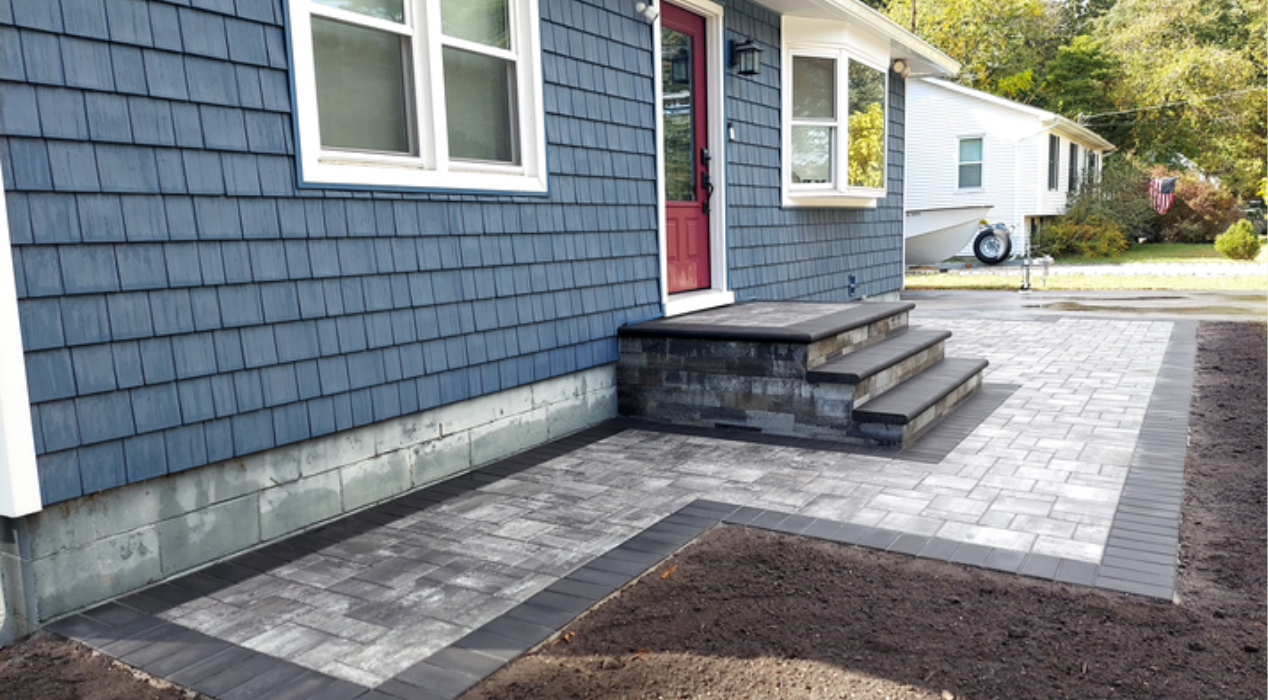
Steps are not just functional. They shape the first impression of the outdoor space. A patio connected to the back door with well-built steps feels finished and safe. A patio with awkward height changes or poorly planned transitions can feel uncomfortable even if the main patio looks good.
New Hampshire steps need careful base and footing work because freeze-thaw movement can be hard on stair foundations. Single steps, multi-step entries, and raised patio transitions should be designed with the correct riser height, tread depth, landing position, and drainage.
Steps can also become a design feature. Matching cap stones, border pavers, lighting, and curved or wide step layouts can make the transition from the home to the patio feel more polished.
Use Lighting to Make the Space Work at Night
Lighting is one of the most important finishing details in any outdoor living space. Without lighting, the patio may only work during daylight. With lighting, the space becomes more useful for dinners, evening fires, late conversations, and safe movement after dark.
Step lighting is especially useful because it improves safety at elevation changes. Low-voltage lights along walkways help guide guests through the yard. Lighting near sitting walls or fire pit zones adds atmosphere without overpowering the space.
The best lighting is planned before masonry work is complete. Adding lights after steps, walls, or patios are installed can be more disruptive and more expensive. If lighting is part of the long-term plan, it should be included in the early design conversation.
Outdoor Living Ideas for Small Yards
Small yards can still become strong outdoor living spaces. The key is choosing fewer features and giving each one enough room to work well. A small patio may not need a large outdoor kitchen, sitting wall, fire pit, and dining area all at once. Instead, it may work better with one main purpose.
For a small yard, a 12 by 14 foot patio can create a simple seating space. A 15 by 20 foot patio gives more room for a dining set or small lounge area. A compact fire pit area can work if there is enough clearance. A sitting wall along one edge can add seating without taking up space with extra chairs.
Simple borders, clean paver patterns, and thoughtful furniture choices help small patios feel larger. Walkways should be direct and practical. Overcrowding is the main mistake to avoid.
Outdoor Living Ideas for Larger Yards
Larger yards give homeowners more room to create separate zones. A bigger patio can include a dining area near the home, a lounge area in the center, and a fire pit zone at the far end. Walkways can connect the patio to gardens, driveways, pool areas, or side entrances.
Large yards also benefit from stronger visual structure. Without walls, borders, walkways, or planting beds, a large patio can feel like a wide surface without purpose. Sitting walls, changes in paver pattern, raised sections, or steps can help organize the space.
If the yard has slope, a raised patio or retaining wall may create a more usable level area. These features require careful planning, drainage, and possibly permits depending on height and town rules.
Choose Materials That Handle Freeze-Thaw Weather
Material choice matters in New Hampshire. The patio, walkway, sitting wall, steps, and fire pit all need to handle moisture, cold, sun, and seasonal movement. Cambridge Pavingstones are commonly used because they offer good design options and are made for Northeast hardscape conditions.
Pavers are often a better long-term choice than poured concrete because individual units can move slightly with seasonal ground changes. If a section ever settles, the pavers can often be lifted, the base corrected, and the same pavers reset. Concrete cracks are harder to repair cleanly.
For walls and fire pits, manufactured wallstone systems give homeowners consistent sizes, colors, and compatible caps. The installation method still matters. Even good materials can fail if the base, footing, drainage, or adhesive work is skipped.
Common Outdoor Living Planning Mistakes
One common mistake is starting with features instead of layout. A fire pit, grill, or sitting wall may look good individually, but the space will not work if the traffic flow is wrong. Start by deciding how people will move, where they will sit, and how the patio connects to the home.
Another mistake is building too small. A patio that looks large when empty can feel tight once furniture, a grill, and guests are added. Leave enough room to pull chairs out, walk around tables, and move safely near fire features.
Homeowners also sometimes ignore drainage. A patio that sends water toward the home, holds puddles, or connects poorly to the lawn can create long-term issues. Drainage should be planned before excavation begins.
Finally, many people delay lighting, steps, or walkway connections until later. That can work, but planning the full outdoor living layout from the beginning usually creates a cleaner finished result.
How Affordable Patio Helps New Hampshire Homeowners
Affordable Patio serves New Hampshire homeowners across areas such as Dover, Durham, Portsmouth, Rochester, Barrington, Greenland, Rye, and nearby communities, along with parts of York County, Maine. The team builds patios, walkways, fire pits, sitting walls, steps, BBQ areas, and outdoor masonry features.
Every project starts with an on-site evaluation. The team reviews grade, drainage, access, layout, material choices, and how the homeowner wants to use the space. Estimates are typically delivered within 12 to 24 hours after the property review, and installations include a 3-year warranty.
To start planning your project, visit the Affordable Patio New Hampshire contact page.
Frequently Asked Questions
What is the best low-maintenance outdoor living surface for New Hampshire?
A professionally installed paver patio is one of the best low-maintenance choices because pavers handle seasonal movement better than poured concrete and can be repaired in sections if needed.
How do I make a small backyard feel more useful?
Start with a defined patio surface, then choose one main feature such as a dining area, sitting wall, or fire pit. Avoid overcrowding the space with too many features.
Can fire pits and sitting walls handle New Hampshire winters?
Yes, when they are built correctly with proper footings, structural adhesive, compatible wallstone, and installation methods designed for freeze-thaw conditions.
When is the best time to install an outdoor living space in New Hampshire?
Most patios and masonry projects can be installed from spring through fall when the ground is workable and weather allows proper excavation, compaction, and finishing.
What size patio is best for outdoor living?
A 15 by 20 foot patio works well for basic dining and seating. A 20 by 25 foot patio gives more room for zones, fire pits, larger furniture, and sitting walls.
Conclusion
Outdoor living space ideas work best when they start with a strong foundation and build around real daily use. A paver patio gives the yard structure. Fire pits add warmth. Sitting walls provide comfort and definition. Walkways connect the space. Lighting makes it usable at night. Steps, borders, and material choices complete the design.
Affordable Patio helps New Hampshire homeowners turn open yards into finished outdoor spaces built for local weather and long-term use. To request a free estimate, visit the New Hampshire contact page or call (603) 999-9696.