
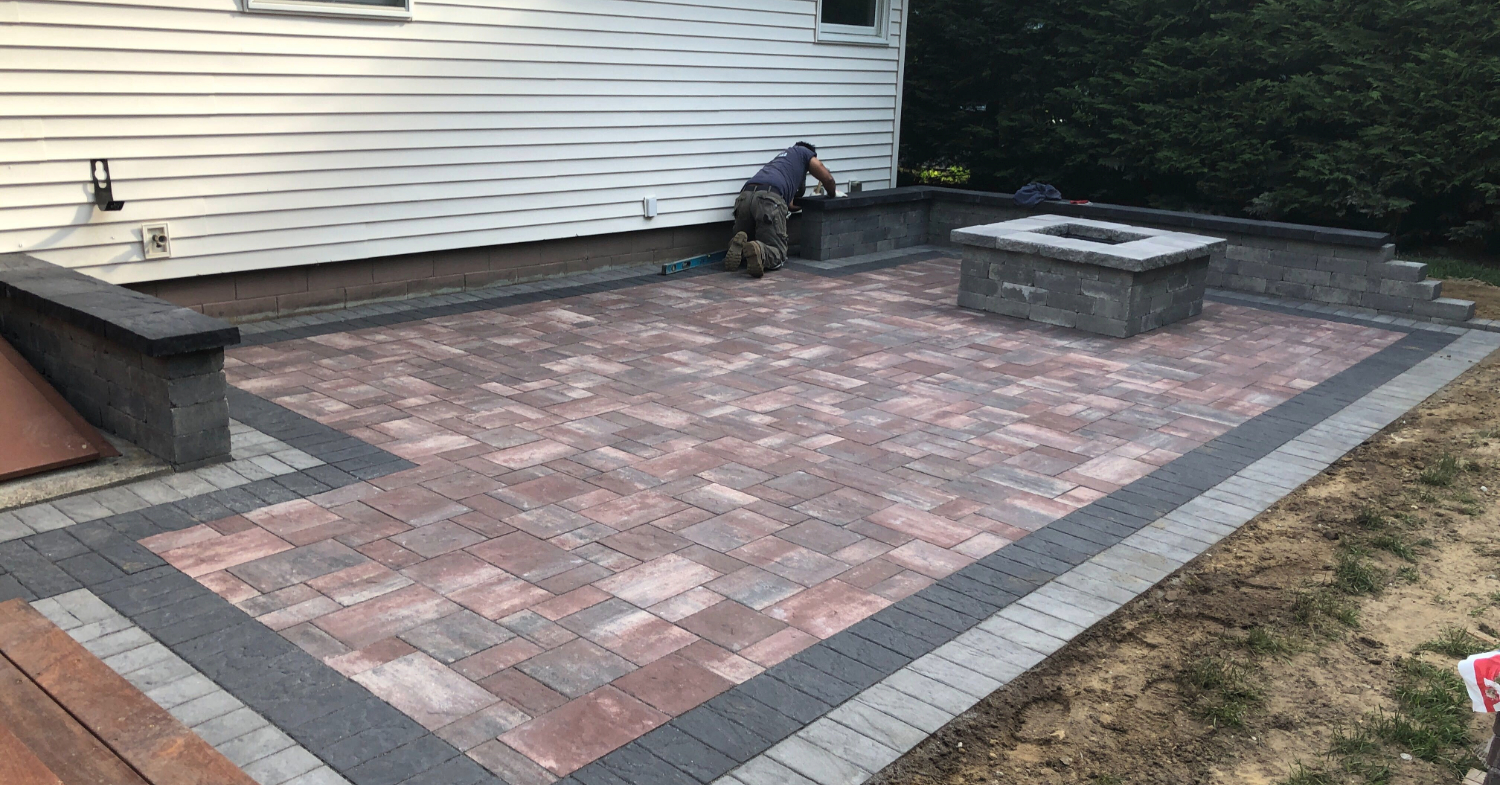
Natural gas fire pit installation can turn a patio into a more useful outdoor gathering space, but it needs careful planning before the first block is set. A gas fire pit is convenient, clean-burning, and easy to use, but it also requires the right location, safe clearances, proper ventilation, durable masonry materials, and coordination with a licensed plumber for the gas line. This guide explains how natural gas fire pit installation works, what affects cost, what permits may be needed, and how Affordable Patio builds fire pits for Long Island homeowners.
Quick Answer
Natural gas fire pit installation requires a planned fire pit location, safe clearance from structures and trees, a properly built masonry structure, ventilation, a burner system, and a gas line installed by a licensed plumber. The masonry contractor builds the fire pit, but the gas connection must be handled by a qualified gas professional.
Gas vs. Wood-Burning Fire Pits
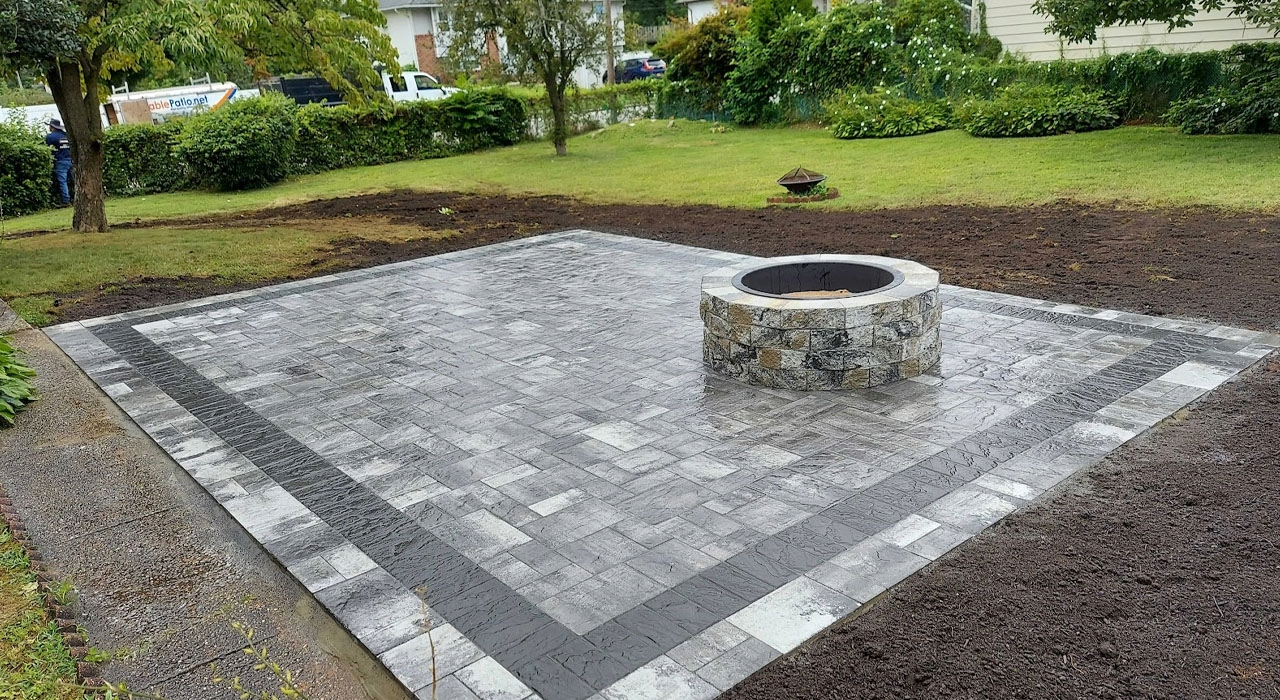
Natural gas fire pit installation is popular because it is simple to use. You turn the gas on, ignite the burner, enjoy the flame, and shut it off when finished. There is no ash cleanup, no wood storage, and fewer sparks than a traditional wood fire.
Wood-burning fire pits offer a classic outdoor fire experience, but they require more maintenance. You need firewood, ash removal, and more caution around sparks and embers. Gas fire pits are often the better fit for homeowners who want convenience and cleaner operation.
Affordable Patio provides fire pit installation in Long Island as part of its outdoor masonry services, including patio and wallstone projects.
Choosing the Right Location
Location is one of the most important parts of natural gas fire pit installation. The fire pit should be placed in an open area with enough seating space, safe clearance, and no overhead hazards. Trees, pergolas, roofs, fences, and nearby structures all need to be considered.
A fire pit seating zone usually needs more space than the fire pit itself. A common planning minimum is about 10 feet by 10 feet for the fire pit and seating area, though larger layouts feel more comfortable.
NFPA fire pit safety guidance recommends using fire pits outdoors and at least 10 feet from anything that can burn. NFPA fire pit safety tips are a useful resource when planning safe placement.
The Gas Line Requirement
The gas line is the part of natural gas fire pit installation that surprises many homeowners. The masonry contractor builds the fire pit structure, but a licensed plumber must handle the gas line. In most towns, gas line work also requires a permit.
The gas line should be planned before the fire pit is built. It may need to be stubbed out to the correct location so the masonry structure can be built around the planned connection point. Trying to add a gas line after the fire pit is finished can create extra work and cost.
If any digging is required for utilities, homeowners should also use New York 811 before excavation to help locate underground lines.
Fire Pit Structure and Materials
Natural gas fire pit installation uses masonry wallstone products that can handle outdoor exposure. Common options include Cambridge wall systems, garden wall blocks, Matrix-style blocks, and Olde English-style wallstone. The best choice depends on the patio design, fire pit shape, and finished look the homeowner wants.
Round fire pits are common because they allow seating on all sides. Square and rectangular designs can work well with more geometric patio layouts. Gas fire pits also need proper interior heat protection and ventilation so the structure performs safely.
Cambridge offers wallstone systems and outdoor fire pit products that can match or pair with paver patios. Cambridge outdoor living products can help homeowners compare material styles.
How Natural Gas Fire Pit Installation Works
Natural gas fire pit installation usually starts with location planning and coordination with the plumber. If the gas line is not already in place, the plumbing work should be scheduled before or during the masonry phase, depending on the project.
The fire pit may be built directly on top of an existing paver patio or set into the patio with a concrete footing and border detail. Each course of block is glued with proper masonry adhesive, the interior ring or burner system is installed, and cap stones finish the top.
When the fire pit is part of a new patio project, it can usually be built during the same installation process. When it is added to an existing patio, access and gas line routing become the biggest planning details.
Natural Gas Fire Pit Installation Cost
Natural gas fire pit installation cost depends on the kit, size, material, design, and whether the fire pit is being added to an existing patio or installed as part of a new project. The gas line is separate and must be priced by the licensed plumber.
| Fire Pit Type | Estimated Price |
|---|---|
| Garden wall round fire pit kit | $1,586 |
| Matrix square fire pit kit | $1,794 |
| Pyzique round gas fire pit kit | $2,819 |
These prices cover the masonry structure and installation. Gas line extension, plumbing work, and permits are usually separate.
Permits and Local Codes
Natural gas fire pit installation may require permits depending on the town or village. The gas line portion almost always needs to be handled by a licensed plumber, and the plumber may need to pull the gas permit.
Setback rules can also vary. Some municipalities have specific rules for distance from structures, property lines, fences, and combustible materials. Homeowners should check local requirements before installation begins.
Affordable Patio can coordinate the masonry portion, but gas line approval and connection should always be handled by the qualified gas professional responsible for that scope.
Maintenance and Long-Term Care
Natural gas fire pit installation requires less ongoing care than a wood-burning fire pit. There is no ash to remove and no firewood to store. Still, the burner system should be checked seasonally.
Spider webs, insects, dust, and debris can affect burner ports. If the flame looks uneven or ignition becomes difficult, the burner may need cleaning or inspection. Homeowners should also keep the area around the fire pit clear of leaves, furniture, and anything combustible.
A cover can help protect the burner area when the fire pit is not in use.
Frequently Asked Questions
How far should a fire pit be from the house?
Many fire safety guidelines recommend at least 10 feet from structures, fences, trees, and anything combustible, but local codes may require more.
Can a natural gas fire pit be converted to propane?
Some burner systems can be converted with the correct conversion kit, but the work should be handled by a qualified professional.
Does a gas fire pit produce as much heat as wood?
A gas fire pit produces steady, controllable heat. Wood can feel more intense, but gas is cleaner, easier to manage, and more convenient.
What materials work best for a gas fire pit?
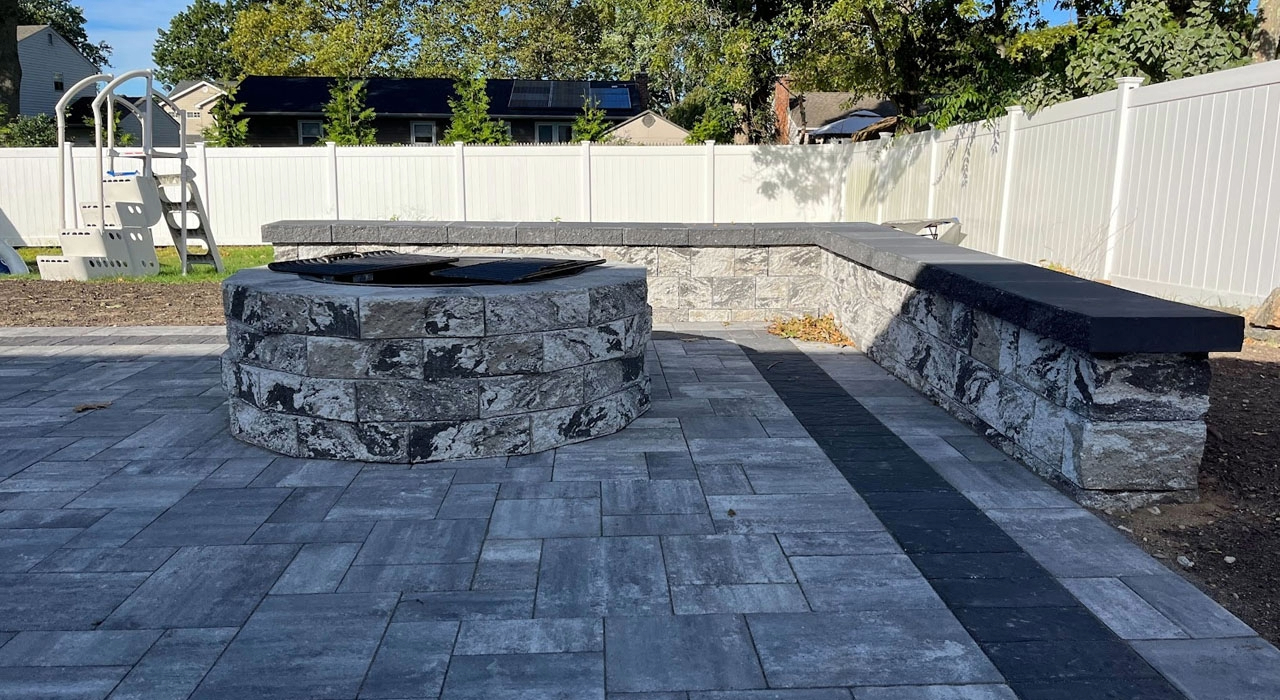
Outdoor masonry wallstone products are commonly used, along with an interior fire ring or burner system designed for gas applications.
Can a fire pit be added to an existing patio?
Yes. A fire pit can often be added to an existing paver patio, but natural gas projects need careful planning for the gas line route.
Conclusion
Natural gas fire pit installation is a great upgrade for homeowners who want convenience, cleaner burning, and a more useful outdoor seating area. The key is planning the location, clearance, gas line, permits, ventilation, and masonry structure before work begins.
Affordable Patio builds fire pits, patios, sitting walls, walkways, driveways, and outdoor masonry projects across Suffolk County and Nassau County. To request a free estimate, visit the Affordable Patio contact page.