
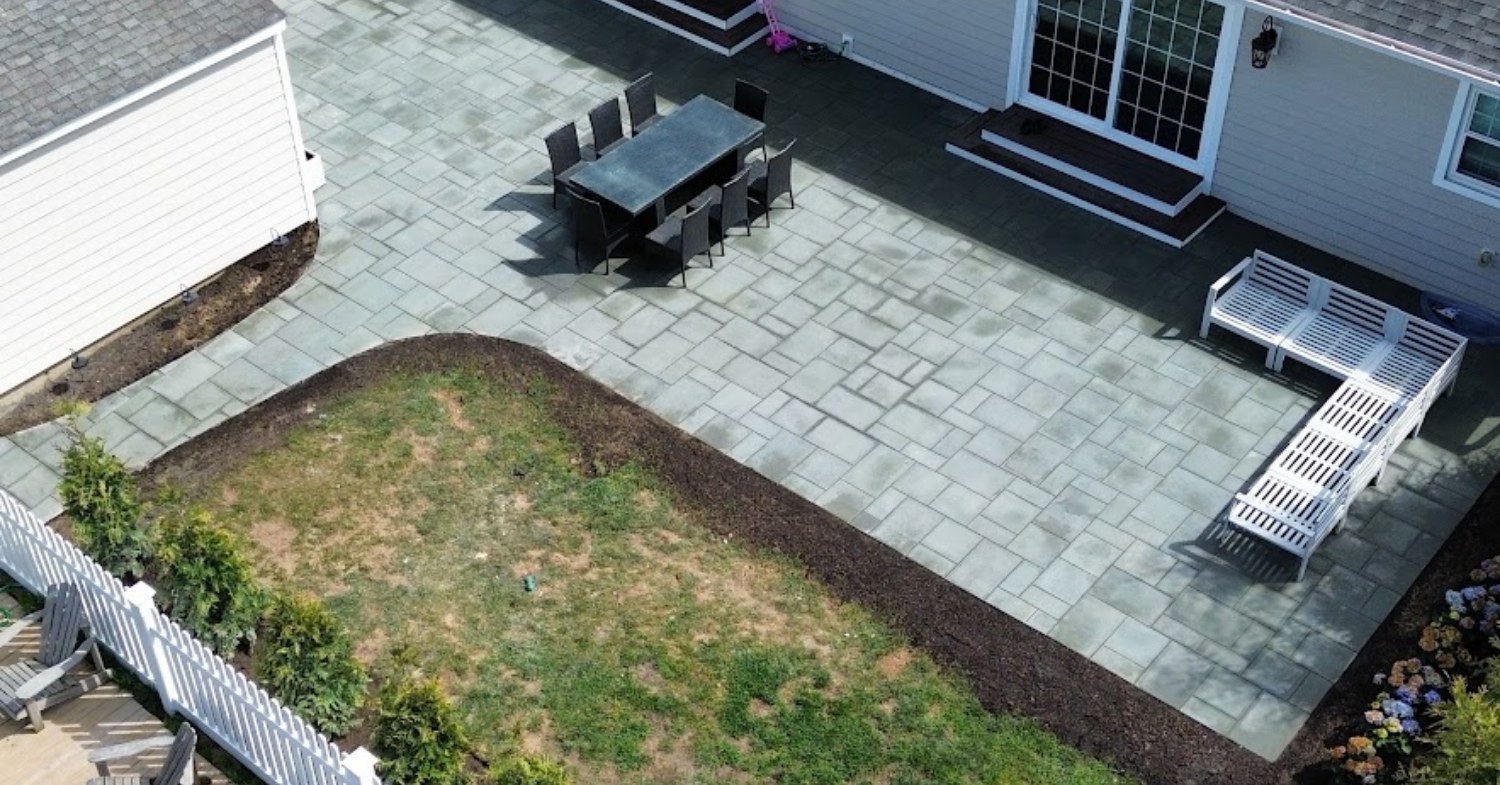
Every week, Suffolk County homeowners type “masonry contractor Long Island” into a search engine and get back a list of dozens of companies, all with different titles, specialties, and pricing structures. Some call themselves hardscape installers. Others use the phrase patio contractor. A few describe themselves as outdoor living specialists. The terminology can make it genuinely difficult to know who handles what, and calling the wrong type of company for your project costs you both time and money.
This guide explains the real difference between masonry and hardscape work, how to evaluate a masonry contractor Long Island residents should actually trust, and when Affordable Patio is exactly the right call for your project versus when you need a different type of specialist.
What Does a Masonry Contractor Do on Long Island?
The term “masonry” covers a broad range of construction work involving stone, brick, concrete block, mortar, and similar materials. A masonry contractor Long Island residents might hire for residential work typically handles:
- Brick and concrete block retaining walls
- Concrete foundations and footings
- Stone veneer installation on house exteriors
- Bluestone and flagstone patio installation
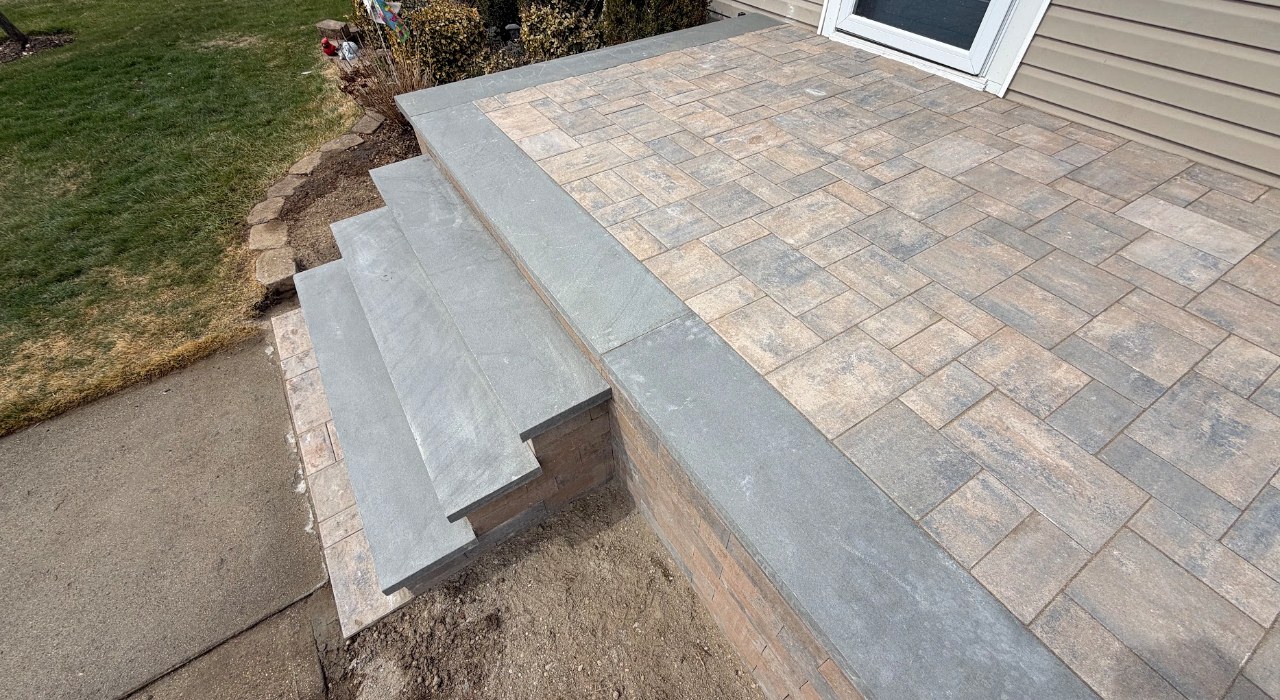
- Concrete steps, stoops, and entryways
- Block columns and pilasters
- Brick and natural stone mailbox structures
- Outdoor kitchen masonry structures and grill surrounds
Some masonry contractors on Long Island also install concrete paver systems, while others limit their scope to mortar-set or poured-concrete applications. If your project involves Cambridge Pavingstones or any interlocking paver system, verify with any masonry contractor Long Island company you contact that they have experience with the specific paver product you are considering.
Hardscape vs Masonry: Key Differences
The terms hardscape and masonry overlap significantly, but they are not identical. Masonry refers specifically to construction using bonded units: stone, brick, concrete block, or similar materials set with mortar or dry-stacked. Hardscape is a broader landscaping term for all non-plant outdoor surfaces and structures, including concrete pavers, asphalt, concrete pads, and gravel areas.
A masonry contractor Long Island homeowner calls for a retaining wall or brick entry stoop is doing masonry work. The same contractor installing a Cambridge Pavingstone patio or walkway is doing hardscape work. The distinction matters most when it comes to permits: structural masonry elements like retaining walls over 4 feet tall typically require permits and engineered drawings in Suffolk County, while paver patios often do not, depending on project scope and local zoning.
When You Specifically Need a Licensed Mason
Not every outdoor project requires the same type of contractor. Here is a breakdown of when your project requires a certified masonry contractor Long Island can provide versus when a hardscape patio specialist is the correct call:
You need a licensed masonry contractor when: Your project involves structural retaining walls, concrete block or brick construction, mortar-set stone or brick, foundations or footings, structural columns, or any element that requires engineered drawings and building permits.
A hardscape patio installer is the right fit when: You want a Cambridge Pavingstone patio, a paver walkway, a driveway surface, a pool patio, or a paver-based outdoor living area. These projects use dry-laid, interlocking systems on a compacted base rather than mortar or concrete.
Many Long Island companies, including Affordable Patio, operate effectively in both categories. We can install your Cambridge Pavingstone patio and construct the block retaining wall or seat wall that frames it, which saves you the coordination cost of managing two separate contractors for one project.
Looking for a Masonry Contractor Long Island Homeowners Can Count On?
Affordable Patio is a full-service patio and masonry contractor Long Island property owners across Suffolk and Nassau Counties have trusted for outdoor projects of every scale. Call (631) 275-3142 for a free consultation, or request your estimate online.
Licensing and Insurance on Long Island
New York State requires contractors performing home improvement work over $200 to be registered as Home Improvement Contractors (HIC) with the State of New York. Suffolk County additionally requires a County Home Improvement Contractor license. Any masonry contractor Long Island homeowners hire should carry both registrations, plus general liability insurance and workers’ compensation coverage.
Before signing any contract with Long Island masonry companies, ask for the following in writing:
- New York State HIC registration number
- Suffolk County or Nassau County contractor license number
- General liability policy certificate (minimum $1 million per occurrence)
- Workers’ compensation certificate or exemption certificate
Reputable Long Island masonry companies will provide all four without hesitation. Any hesitation or deflection is a red flag that warrants finding a different contractor. According to the New York Department of State Division of Licensing Services, unregistered home improvement contractors are not legally permitted to perform work on residential properties in New York and cannot pursue payment through the courts.
Comparison Table: Project Types and Who Handles Them
| Project Type | Masonry Contractor | Hardscape Installer | Permit Usually Required? |
|---|---|---|---|
| Paver patio (Cambridge Pavingstones) | Optional | Yes | Often not for patios under impervious limit |
| Brick or block retaining wall | Yes | Varies | Yes, if over 4 ft. in Suffolk County |
| Concrete steps and stoop | Yes | Some | Typically yes |
| Paver walkway / path | Optional | Yes | Usually not |
| Stone veneer on house exterior | Yes | No | Usually yes (exterior alteration) |
| Outdoor kitchen masonry structure | Yes | Partial | Often yes (structure + gas line) |
| Concrete paver driveway | Optional | Yes | Varies by municipality |
| Seat walls / decorative block walls | Yes | Yes | Under 4 ft.: usually not |
What Does a Masonry Contractor Cost on Long Island?
Masonry contractor cost on Long Island varies significantly by project type, materials, and complexity. Here is a general range for residential masonry work in Suffolk and Nassau Counties in 2025:
- Paver patio installation: $18 to $35 per square foot installed, depending on pattern complexity and paver selection
- Block retaining wall: $30 to $55 per square foot of wall face, depending on height and drainage requirements
- Concrete steps: $800 to $2,500 per step section, depending on materials and configuration
- Natural bluestone patio: $25 to $50 per square foot installed
- Seat wall (dry-stack or mortar-set): $120 to $250 per linear foot
These figures represent typical ranges for licensed masonry contractor Long Island projects in 2025. Exact pricing depends on site access, material costs at the time of your project, and the specific scope of work. Always request itemized proposals from at least two or three Long Island masonry companies before making a decision.
Why Long Island Homeowners Choose Affordable Patio
Affordable Patio is not just a paver installer. We are a complete outdoor contractor and masonry contractor Long Island property owners across Suffolk County call when they want a single team to handle their full outdoor transformation. Our scope includes Cambridge Pavingstone patios, walkways, driveways, pool patios, outdoor kitchens, seat walls, and retaining structures, all installed under one contract with one point of contact.
Every project uses Cambridge Pavingstones with ArmorTec protection, the most durable interlocking paver system available on Long Island. Our installations carry a 3-year warranty, and we provide complete documentation of materials used so you have a record for resale purposes.
We serve homeowners throughout Suffolk County, Nassau County, Patchogue, Sayville, Oakdale, Hauppauge, Ronkonkoma, Farmingville, Lake Grove, Selden, Centereach, Islip, Bayport, and Holbrook. If you are searching for a masonry contractor Long Island residents have trusted for outdoor transformations, Affordable Patio is the team to call first.
Get a Free Estimate from Affordable Patio
As a fully licensed masonry contractor Long Island homeowners trust, we offer free on-site estimates across Suffolk and Nassau Counties. Call (631) 275-3142, email [email protected], or fill out our online form to schedule your consultation.
Ready to get started? Affordable Patio is the masonry contractor Long Island homeowners across Suffolk County have relied on for high-quality outdoor work. Call (631) 275-3142 or visit our website to schedule your free estimate today.
Schedule Your Free Outdoor Project Estimate
From patios to seat walls to full outdoor kitchens, Affordable Patio is the masonry contractor Long Island homeowners can trust for every outdoor project. Call (631) 275-3142, email [email protected], or request your estimate online. We serve all of Suffolk County, Nassau County, and surrounding Long Island communities.
Frequently Asked Questions
What is the difference between a masonry contractor and a patio installer on Long Island?
A masonry contractor specializes in construction using bonded units: brick, concrete block, stone, and mortar-set materials. A patio installer typically handles dry-laid interlocking paver systems. Many Long Island companies, including Affordable Patio, operate in both categories and can complete projects that include both paver surfaces and structural masonry elements like seat walls or retaining walls.
Does a masonry contractor on Long Island need to be licensed?
Yes. Any contractor performing home improvement work over $200 in New York State must be registered as a Home Improvement Contractor (HIC). Suffolk County also requires a separate county-level contractor license. Always verify both registrations and confirm that the contractor carries general liability insurance and workers’ compensation coverage before signing any agreement.
How much does a masonry contractor cost on Long Island?
Masonry contractor cost on Long Island typically ranges from $18 to $35 per square foot for paver patio installation, $30 to $55 per square foot for block retaining walls, and $120 to $250 per linear foot for seat walls. Prices vary based on materials, project complexity, and site conditions. Request itemized proposals from at least two Long Island masonry companies before deciding.
Can one contractor handle both the patio and a retaining wall?
Yes, and in most cases this is the most efficient approach. A contractor who handles both the paved surface and the structural masonry elements eliminates coordination delays and ensures that the patio base and adjacent wall structures are properly integrated from a drainage and structural standpoint. Affordable Patio routinely handles both scopes on the same project.
What are the top Long Island masonry companies doing differently from cheaper alternatives?
Licensed Long Island masonry companies invest in proper base preparation, use manufacturer-specified materials, and carry full insurance. Lower-cost alternatives often cut corners on excavation depth, gravel base thickness, or sand specification. These shortcuts create paver movement, wall failure, and drainage problems within a few seasons. On Long Island’s freeze-thaw climate, base integrity determines whether an installation lasts 5 years or 25 years.
Conclusion: Call the Right Contractor First
Whether your project is a simple paver patio or a complex outdoor living space with retaining walls, seat walls, and an outdoor kitchen, starting with the right type of contractor saves you significant time, money, and frustration. For most Long Island residential projects that combine paving and structural elements, a masonry contractor Long Island company like Affordable Patio handles both scopes under a single agreement.
Verify licensing, ask for insurance certificates, and get itemized proposals before committing to any contractor. The lowest quote is rarely the best value when it comes to masonry work, and cutting corners on base preparation or material quality creates problems that cost far more to fix than the original savings justified.