
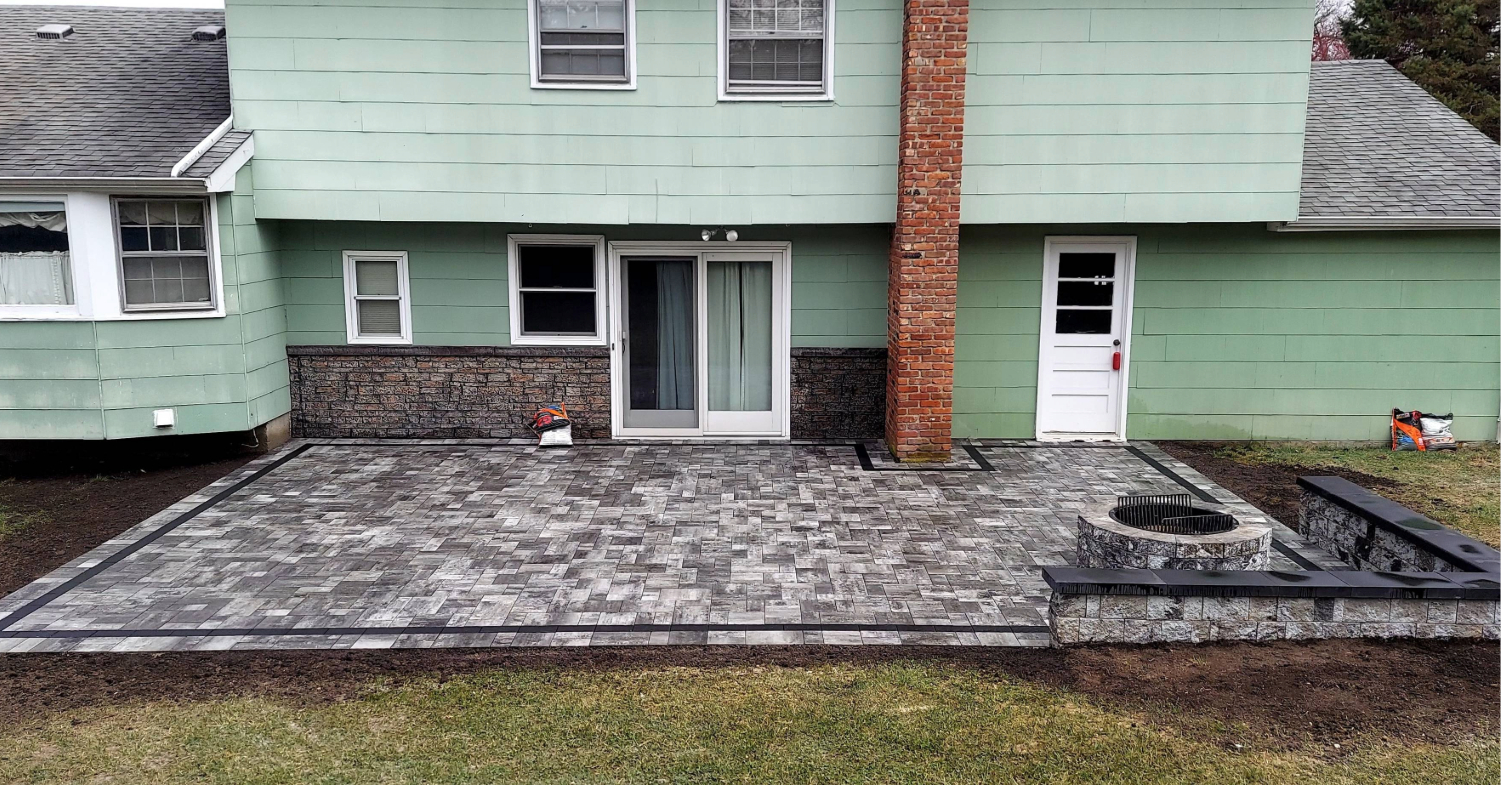
There is a reason fire pits are one of the most requested add-ons we handle at Affordable Patio. A well-placed fire pit changes how a family uses their outdoor space entirely. Evenings that would have ended at sunset become three-hour gatherings. A patio that sat empty on cool nights in October becomes the most used spot in the yard from September through November. For Suffolk County homeowners who have been thinking about adding one, the most immediate question is always the same: what does it actually cost to install a fire pit?
The answer depends on more variables than most people expect, and the wood versus gas distinction is one of the most significant of them. At Affordable Patio, we install fire pits across Suffolk and Nassau County as part of our full-service masonry offerings, and we have built our reputation on giving homeowners honest, transparent pricing before they commit to anything. This guide covers everything that drives the cost to install a fire pit, the real differences between wood-burning and gas options, and what you can expect to invest for a fire pit that actually delivers.
Wood-Burning vs Gas Fire Pits: The Core Differences
Before getting into numbers, understanding the fundamental differences between wood-burning and gas fire pits clarifies why they carry different price points and different ongoing cost profiles.
Wood-Burning Fire Pits
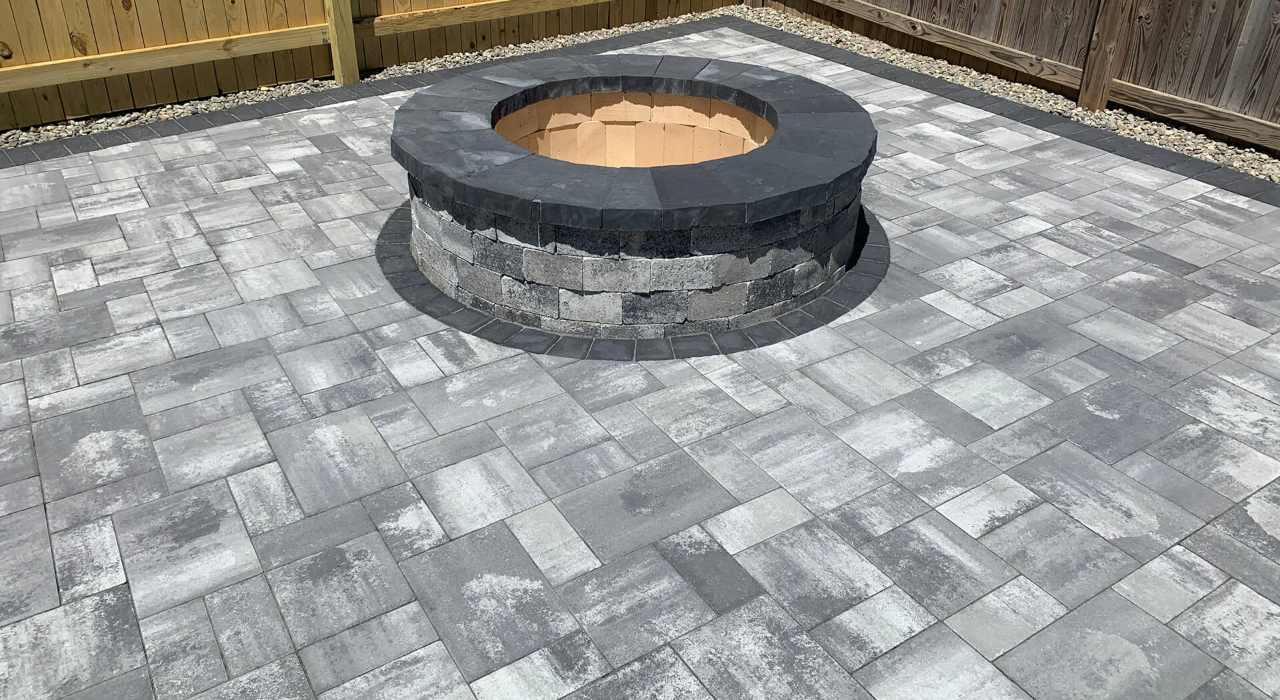
Wood-burning fire pits are the classic choice for good reason. The experience of a wood fire, the crackling sound, the smell, the visible flames from actual logs, is something gas systems approximate but do not fully replicate. Wood-burning pits are structurally simpler than gas installations because they do not require a gas line, a burner assembly, or ventilation engineering. The upfront cost to install a fire pit that burns wood is therefore generally lower than a comparable gas installation. The ongoing cost is the price of firewood, and the maintenance consideration is keeping the pit clear of ash and debris.
In Suffolk County, wood-burning fire pits are subject to local regulations in many municipalities. Some villages restrict open burning or require permits. It is always worth confirming with your local building department before installation.
Gas Fire Pits
Gas fire pits, whether connected to natural gas or propane, offer convenience that wood-burning units cannot match. They ignite instantly, burn cleanly without smoke, can be turned off immediately, and do not require fuel management or ash cleanup. For homeowners who want to use their fire pit frequently with minimal effort, gas is often the better long-term choice despite the higher installation cost. The additional cost comes from the gas line installation, the burner and ignition assembly, proper ventilation design, and in many cases a connection to the home’s existing natural gas supply, which requires a licensed plumber or gas line contractor.
Avoid the stress of DIY and let our team handle everything with our comprehensive hardscaping services.
Cost to Install a Fire Pit: What the Numbers Look Like
At Affordable Patio, we work with Cambridge fire pit kits, which are engineered paver systems designed specifically for fire pit construction with built-in heat protection. Here is a realistic look at what each kit option costs as a starting point, keeping in mind that total project cost depends on several additional factors covered in the next section.
A Garden Wall round fire pit kit starts around $1,586. This is a classic, circular wood-burning design that builds directly over a patio surface in most cases. The Maytrx square fire pit kit starts around $1,794 and offers a more contemporary, geometric profile. For gas applications, the Pyzique round gas fire pit kit starts around $2,819 and includes the engineering required for gas compatibility including ventilation requirements.
These are kit material costs. Total installation cost, including labor, any concrete footing required, the cap stones for finishing, and any gas line work for gas models, will be higher. A realistic total budget for a wood-burning paver fire pit installed over an existing patio surface in Suffolk County falls in the range of $2,000 to $4,000 depending on design complexity and site conditions. A gas fire pit installation with a new gas line connection can run $4,000 to $8,000 or more depending on the distance from the existing gas supply, local permit requirements, and the complexity of the burner and ignition system.
What Drives the Cost to Install a Fire Pit
Understanding the variables behind fire pit pricing helps you have a more informed conversation with your contractor and understand why quotes vary significantly.
Whether It Is Built Over an Existing Surface or Requires a New Foundation
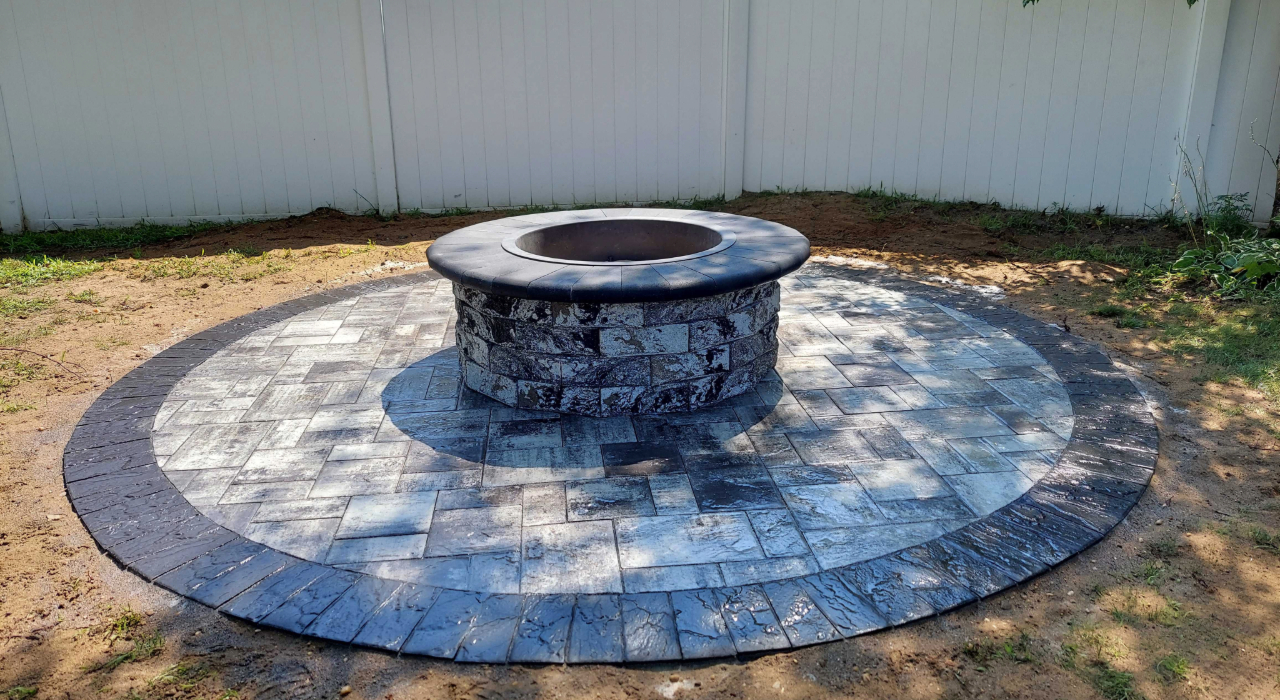
The most cost-efficient fire pit installation is one built directly over an existing paver patio. In this scenario, the patio surface acts as the base and no additional concrete work is required. When a fire pit needs to be cut into a patio, meaning recessed below the paver surface level, or when it is being installed on bare ground without an existing hardscaping base, a concrete footing needs to be poured first. This adds labor time and material cost to the project. If you are having a patio and fire pit installed simultaneously, combining the projects is almost always more economical than doing them separately.
Kit Design and Size
Larger fire pit kits require more material and more installation time. Kits with cap stones on top, which provide a finished edge that is both attractive and functional as a seating surface, add material cost but significantly enhance the finished appearance. The shape also matters slightly. Round fire pits require more cutting of individual block units to follow the curve than square or rectangular designs.
Gas Line Distance and Complexity
For gas fire pits, the single biggest variable in total project cost is the distance between the existing gas supply and the fire pit location, and the complexity of running the gas line to get there. A fire pit located close to the home’s gas meter or an existing line that can be tapped requires less work than one on the far side of a large property. In all cases, gas line work must be performed by a licensed plumber or gas line contractor to meet code requirements. This work is typically coordinated alongside the masonry installation but involves a separate trade and a separate cost.
Permitting
Suffolk County municipalities vary in their permitting requirements for fire pit installations. Some require permits for any open-flame installation. Gas fire pit installations almost universally require permits because they involve gas line work subject to inspection. Permit costs themselves are typically modest, but the time required for permit approval can affect project scheduling.
Planning your budget is easy when you use our instant build and price tool.
Location and Placement: Getting It Right From the Start
The cost to install a fire pit is not just a function of materials and labor. It is also shaped by where on your property the fire pit goes, because placement affects both what the installation requires and how safely and enjoyably the fire pit can be used.
The fire pit structure itself is typically 3 to 4 feet in diameter, but functional use requires a minimum of 10 by 10 feet of clear area around it for comfortable seating. This means the effective footprint of a well-placed fire pit is much larger than the structure itself. Proximity to trees, overhangs, fences, and the home’s structure all create safety constraints. The International Residential Code recommends keeping fire pits at least 10 feet from any structure, and many local municipalities in Suffolk County have their own setback requirements.
During your consultation with Affordable Patio, we discuss placement as a priority item, working through the practical constraints of your specific property to find the location that maximizes both safety and usability. Getting placement right at the beginning is far less expensive than addressing it after installation.
How Fire Pit Installation Actually Works
Understanding the installation process helps you evaluate what your contractor tells you and know whether corners are being cut.
The most common installation method for a Cambridge kit fire pit over an existing patio surface involves marking the location, building up the block courses according to the manufacturer’s specifications, applying adhesive between each course to bond them together, inserting a metal ring inside the fire pit structure to protect the blocks from heat damage, and filling the interior with sand to a level just below the ring. The sand bed is where logs rest in a wood-burning pit, keeping the fire elevated and allowing air circulation. The cap stones are set last, completing the top edge.
For fire pits that are cut into the patio surface, additional steps include removing and setting aside the pavers in the fire pit footprint, excavating to the appropriate depth, pouring a small concrete footing, and then building the fire pit structure up from that footing. The surrounding pavers are releveled and rejointed after the fire pit is in place. For gas fire pits, the gas line rough-in typically happens before the fire pit structure is completed so the supply line can be routed through the base without visible exterior penetrations.
Add-Ons That Affect Cost and Value
Several additions to a basic fire pit installation are worth considering as part of your initial planning rather than as afterthoughts.
Cap Stones
Adding cap stones to the top of the fire pit raises the total material and labor cost but adds significantly to both function and appearance. Caps provide a flat surface for resting drinks, making the fire pit more usable as a social hub. They also give the structure a finished, intentional look that elevates the whole patio space. We generally recommend caps as a worthwhile addition whenever budget allows.
Sitting Wall
A sitting wall built around the fire pit area creates a defined gathering zone and provides permanent seating without requiring outdoor furniture. This is a popular combination in Suffolk County installations and increases the total project investment but creates an outdoor living room feel that standalone fire pits without defined seating cannot achieve.
Paver Patio Base
If you are planning a fire pit and do not yet have a patio, installing them together is the most cost-efficient path. The base preparation work for the patio also sets up the fire pit installation, and combining the projects eliminates redundant mobilization, equipment, and labor costs compared to doing them in separate phases.
Suffolk County Considerations
Long Island’s regulatory environment is worth understanding before you commit to a fire pit project. Permit requirements, setback rules, and open-burning restrictions vary across the towns and villages that make up Suffolk County. Some municipalities restrict wood-burning fire pits during dry conditions or fire weather alerts. Others require permits for any permanent outdoor fire feature regardless of fuel type.
Affordable Patio serves homeowners across Suffolk and Nassau County and is familiar with the local requirements that apply in different municipalities. During your consultation, we discuss what applies in your specific location so that the project is permitted correctly and compliant from the start.
Witness our craftsmanship and attention to detail by checking out our current jobs in progress.
Frequently Asked Questions
How far does a fire pit need to be from my house in Suffolk County?
The general rule of thumb from most fire safety authorities is a minimum of 10 feet from any structure, including the home, fences, pergolas, and overhanging trees or branches. Many Suffolk County municipalities have their own setback requirements that may be more restrictive than this baseline. Always verify the specific requirements with your local building department before placing a fire pit, as non-compliant placement can create liability issues and insurance complications in addition to genuine fire risk.
Do I need a permit to install a fire pit in Suffolk County?
Permit requirements for fire pit installations in Suffolk County vary by municipality. Gas fire pit installations virtually always require permits because they involve gas line work subject to inspection. Wood-burning fire pits may or may not require permits depending on the specific town or village. Some municipalities also require permits for any permanent masonry structure regardless of fuel type. Your contractor should be familiar with local requirements and should proactively advise you on what permits are needed for your specific location before work begins.
What is the difference between natural gas and propane for an outdoor fire pit?
Natural gas fire pits connect directly to the home’s existing gas line, which provides an unlimited fuel supply without the need to manage or replace tanks. They require a permanent gas line connection, which adds to installation cost but eliminates ongoing fuel management. Propane fire pits use a portable tank, typically a 20-pound tank of the type used for gas grills. Propane is more flexible in terms of placement since it does not require a gas line connection, and the tank can be stored out of sight when not in use. Propane burns slightly hotter than natural gas but requires periodic tank replacement or exchange. For homeowners without existing natural gas service, propane is often the more practical choice.
Can a fire pit be added to an existing patio?
Yes, in most cases a fire pit can be added to an existing paver patio. The most straightforward installation builds the fire pit directly on top of the existing paver surface without disturbing the surrounding area. If you want the fire pit recessed, meaning cut into the patio surface, this requires more work but is also achievable. The key considerations are whether the existing patio has sufficient space for the fire pit footprint plus the surrounding seating area, whether the patio’s drainage pitch will direct water away from the fire pit base, and whether the location is compliant with local setback requirements.
How do I maintain a paver fire pit over the winter on Long Island?
Paver fire pits hold up well through Long Island winters when basic maintenance practices are followed. After the last use of the season, clean out any ash or debris from the interior. Check that the interior sand bed is intact and refill if it has settled or washed out. For gas fire pits, have a plumber cap the gas line for the winter or ensure the shutoff valve is fully closed. Covering the fire pit with a properly fitting cover or waterproof tarp through the winter months protects the cap stones and interior from water accumulation that can expand when frozen and crack the block units over time. Inspect the adhesive joints between block courses each spring and reseal any that have loosened.
Build the Gathering Space Your Backyard Has Been Missing
The cost to install a fire pit in Suffolk County is one of the most reasonable investments you can make in your outdoor living space relative to the impact it delivers. A well-placed, properly built fire pit transforms a patio from a surface you occasionally use into a destination you plan your evenings around. Whether you choose a classic wood-burning design or a convenient gas installation, the key is working with a contractor who installs to manufacturer specifications, uses quality materials, and gives you honest, transparent pricing before you commit.
Affordable Patio has been serving Long Island homeowners across Suffolk and Nassau County as a trusted masonry contractor, and fire pit installation is one of our most popular services. Our Cambridge kit installations are built to manufacturer specs, and our process keeps you informed from estimate through final walkthrough. Financing through HFS is available for homeowners who want to move forward without waiting.
Contact Affordable Patio today at (631) 438-8053 or visit affordablepatio.com/new-york to get started with a free estimate. We are ready to help you build the backyard gathering space your family deserves.