
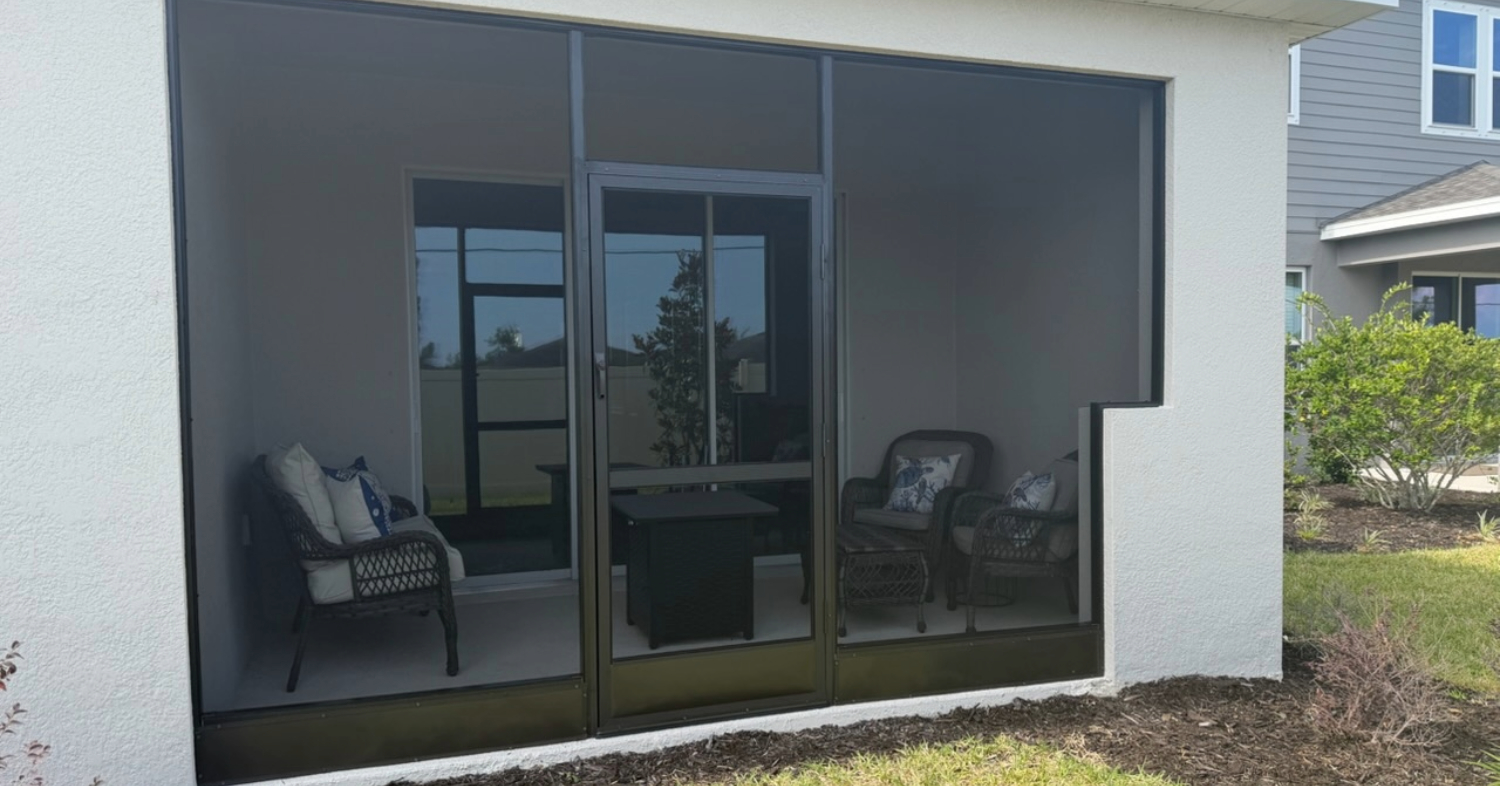
A DIY lanai screen enclosure is one of the most searched home improvement projects for Florida homeowners who want a screened outdoor living space without paying full professional installation costs. The appeal is real: aluminum frame kits are sold at big-box stores and online suppliers, YouTube tutorials make the process look manageable, and the potential cost savings over professional installation can appear significant on paper. But the reality of building a DIY lanai screen enclosure in Hillsborough or Manatee County involves permit requirements, foundation work, structural anchoring to Florida building code, and a skill set that goes well beyond assembling flat-pack furniture. With over 15 years of lanai enclosure installation experience across Tampa, Brandon, Riverview, Bradenton, and the surrounding communities, we have seen what the DIY route actually costs Florida homeowners when it works and when it does not. This guide gives you the honest picture before you make a decision.
Table of Contents
Quick Answer: DIY Lanai Screen EnclosureA DIY lanai screen enclosure is possible for experienced homeowners with structural and permitting knowledge, but it is not a beginner project. Material costs for a mid-size Florida lanai enclosure run $3,000 to $8,000 depending on size and screen type. Professional installation of the same project typically runs $8,000 to $20,000+. The gap is real, but DIY projects in Florida require building permits, inspections, wind load engineering, and proper anchoring to pass code — requirements that eliminate the savings if errors require correction or if the structure fails a hurricane wind load inspection.
What a DIY Lanai Screen Enclosure Actually Involves
A DIY lanai screen enclosure project is not the same as assembling a patio gazebo or installing a screen door. A full lanai screen enclosure is a permitted structure in Florida that requires a concrete or paver foundation, an aluminum frame system with engineering-rated connections, screen material stretched and attached at proper tension, and final inspection by the local building department before the structure is legally considered complete. In Hillsborough County and Manatee County, lanai screen enclosures are subject to Florida Building Code wind load requirements that mandate specific anchoring methods, frame gauge specifications, and connection details that are verified during the permit inspection process.
The scope of a DIY lanai screen enclosure project includes: site preparation and foundation work, obtaining a building permit from your local municipality, sourcing and cutting aluminum frame components to the correct dimensions, installing the frame with manufacturer-specified fasteners and anchors, stretching and attaching screen material to the frame without wrinkles or gaps, installing any doors or pass-through panels, and scheduling and passing the required building department inspection. Each of these steps has a meaningful failure point that costs time and money to correct if done wrong.
Florida homeowners who have successfully completed this type of project generally have prior experience with structural construction, permitting, and aluminum work. Those without this background typically discover that the project takes two to four times longer than anticipated, requires additional tools and materials not accounted for in the initial budget, and may require professional involvement to correct issues before passing inspection. Our Florida lanai screen enclosures service page covers what our professional installation process looks like from site evaluation through permit close-out.
Pros of the DIY Lanai Screen Enclosure Route
The DIY route is not the right choice for every Florida homeowner, but there are specific situations where the DIY route offers genuine advantages worth considering.
Cost Savings on Labor
Labor typically represents 40 to 60 percent of the total cost of a professional lanai screen enclosure installation in Hillsborough and Manatee County. For a homeowner with the skills to manage the structural and permitting requirements, eliminating contractor labor can produce meaningful savings — potentially $3,000 to $8,000 on a mid-size project. These savings are most real when the homeowner has prior construction experience, the right tools already on hand, and a project that does not require complex custom framing or unusual site conditions.
Full Control Over Material Selection
Professional contractors work with specific suppliers and standard configurations. A homeowner building their own enclosure can select screen material type, frame color, and hardware choices without being limited to a contractor’s standard product menu. Premium screen options like 20/20 no-see-um mesh, solar screen with 90 percent UV blocking, or heavy-duty pet-resistant screen are all available to DIY builders at the same supplier pricing that contractors access.
Timeline Flexibility
Professional lanai screen enclosure installation in Florida typically involves scheduling lead times of two to six weeks during busy seasons. A homeowner managing their own project can work on their own schedule and potentially complete sections over time rather than blocking out a full installation window.
Cons and Real Risks of DIY Lanai Enclosures
A DIY lanai screen enclosure carries risks that are specific to Florida’s building environment and climate. These are not theoretical concerns — they are the consistent outcomes we observe when professional help is sought after a DIY project runs into problems.
Florida Building Code Complexity
Florida’s wind load requirements for screen enclosures are among the most demanding in the country. Hillsborough County sits in a 130 mph wind zone for most residential areas, and Manatee County coastal communities have even higher designations. An enclosure that does not meet the Florida Building Code’s anchor requirements, frame gauge specifications, and connection details will fail inspection — and may be required to be torn down and rebuilt. This outcome eliminates all cost savings from the DIY approach and creates additional expense beyond what professional installation would have cost originally.
Permit and Inspection Requirements
Any screen enclosure in Hillsborough or Manatee County requires a building permit before any work begins. Installing an enclosure without a permit creates a code violation that must be disclosed in any future home sale and may require retroactive permitting — which often necessitates opening finished work for inspection. Many HOA communities in the Tampa Bay and Bradenton areas also require HOA approval before any screen enclosure is constructed, separate from the municipal permit process.
Structural Failure Risk in Storm Events
An improperly anchored or under-engineered screen enclosure becomes a projectile hazard in Florida storms. According to the National Association of Home Builders, improperly installed screen enclosures are among the most common sources of structural damage during Florida hurricane and tropical storm events, with failures that can damage not only the enclosure itself but adjacent property and the home’s roof and walls. The Florida Building Code’s wind load requirements exist specifically because of this documented failure pattern.
Tool Investment and Hidden Costs
This type of project requires tools that most homeowners do not already own: a screen rolling tool, spline roller, aluminum cutting equipment, a heavy-duty drill with appropriate bits for concrete anchoring, and layout tools for ensuring square and level frame installation. These tools add $300 to $800 to the project cost if purchased new. Add permit fees of $200 to $500 for Hillsborough and Manatee County applications and the true DIY project budget expands significantly beyond material costs alone.
DIY Lanai Screen Enclosure Cost Breakdown
The cost calculation must account for materials, tools, permits, and the realistic possibility of waste and error on a first-time build. The table below shows realistic cost ranges for a mid-size Florida lanai enclosure of approximately 300 to 400 square feet.
| Cost Component | DIY Estimate | Professional Installation | Notes |
|---|---|---|---|
| Aluminum frame materials | $1,500 – $3,500 | Included | Frame gauge must meet FL wind code |
| Screen material | $400 – $900 | Included | Price varies by mesh type and UV rating |
| Concrete anchors/hardware | $200 – $500 | Included | Must meet FL Building Code spec |
| Tools (if not owned) | $300 – $800 | N/A | Screen roller, spline tools, concrete drill |
| Building permit | $200 – $500 | Included in most quotes | Required in all FL counties |
| Engineering plans (if required) | $500 – $1,500 | Included | Required for complex or larger structures |
| Labor | $0 (your time) | $4,000 – $12,000 | Professional labor is primary cost driver |
| Total estimated range | $3,100 – $7,700 | $8,000 – $20,000+ | DIY savings require successful inspection |
The cost savings in the DIY column assume a completed project that passes inspection on the first attempt. A failed inspection that requires structural correction — the most common DIY complication in Florida — adds contractor repair costs that narrow or eliminate the savings gap. For more context on what professional screen enclosure installation includes and how it is priced, see our pool screen installation step-by-step overview.
Not sure whether DIY or professional installation makes sense for your specific project? Contact Affordable Patio Florida for a free on-site evaluation — we assess your property, explain what the permit process looks like for your specific location, and give you a written estimate so you can make an informed comparison.
Florida Permits and Code Requirements for DIY Lanai Enclosures
A DIY lanai screen enclosure in Florida cannot legally be built without first obtaining a building permit from your county’s building department. In Hillsborough County, residential screen enclosure permits are processed through the county’s Building Services Division. In Manatee County, the Building and Development Services department handles these applications. Both require submitted plans that show the proposed structure’s dimensions, framing layout, anchoring method, and wind load compliance.
For standard residential screen enclosures in most Florida counties, the permit application must include a site plan showing the enclosure’s location relative to the home and property lines, a structural plan showing frame layout and connections, documentation of the frame system’s wind load rating (typically provided by the aluminum kit manufacturer for rated systems), and in some cases a signed and sealed engineering plan from a Florida-licensed structural engineer. The permit review process in Hillsborough County typically takes two to four weeks. Once the permit is issued, work can begin, and a final inspection must be scheduled and passed before the permit is closed out.
HOA requirements are a separate layer of approval. Many communities in the Tampa Bay area — including Fish Hawk, Riverview, and South Tampa subdivisions — require HOA architectural committee approval before any enclosure project, with specific requirements for frame color, screen type, and setback distance from property lines. Failure to obtain HOA approval before construction can result in mandatory removal of a completed structure regardless of whether the county permit was properly obtained.
DIY vs. Professional Lanai Screen Enclosure: Who Should Choose Which
The DIY lanai screen enclosure route makes sense in a limited set of circumstances. The professional installation route makes sense for the majority of Florida homeowners, for reasons that go beyond cost comparison.
When DIY Is Worth Considering
This route is worth serious consideration when: you or someone on your project team has prior structural construction experience and has successfully permitted a project in Florida before; the enclosure is a simple rectangular structure without complex angles, attached roofline framing, or custom height requirements; you have adequate time to manage the permit process, material sourcing, and construction over several weeks; and you are in a non-HOA community or have confirmed HOA approval is straightforward. If all four of these apply, the DIY route can deliver genuine savings.
When Professional Installation Is the Better Choice
Professional lanai screen enclosure installation is the better choice when the enclosure is attached to or integrated with your home’s roofline or existing pool cage structure, when you are in a hurricane exposure category that requires engineered anchoring systems, when your property has irregular grade or foundation conditions, or when your timeline requires a specific completion date. Our Florida patio installation step-by-step process shows exactly how we manage permit, site evaluation, and construction on every enclosure project we build. We have completed hundreds of enclosures across Hillsborough and Manatee County — and we price our estimates transparently so you can make a genuine comparison against DIY material costs.
Ready to compare the numbers for your specific project? Use our Florida Build and Price tool to get a ballpark professional installation estimate in minutes, then compare it against what you have priced for materials and permits on the DIY route.
Frequently Asked Questions
Can I legally build a DIY lanai screen enclosure in Florida without a permit?
No. A lanai screen enclosure in Florida requires a building permit from your county building department in all cases. Installing a screen enclosure without a permit is a code violation that must be disclosed in any future home sale and can result in mandatory removal of the structure. In Hillsborough and Manatee County, residential screen enclosure permits are available through each county’s building department and require submitted plans showing the structure’s dimensions, framing, and wind load compliance documentation.
How long does it take to build a DIY lanai screen enclosure?
For an experienced builder working with a helper, a mid-size enclosure of 300 to 400 square feet typically takes five to ten working days of physical construction after all materials are on site and the permit is issued. Add two to four weeks for permit processing in Hillsborough County and the total project timeline from permit application to final inspection typically runs six to ten weeks. First-time builders should add 30 to 50 percent buffer to these estimates for learning curve, material adjustments, and inspection scheduling.
What is the average cost of a DIY lanai screen enclosure in Florida?
Building your own lanai screen enclosure for a mid-size Florida property of approximately 300 to 400 square feet typically costs $3,100 to $7,700 in materials, tools, and permits. The wide range reflects screen type selection, frame complexity, tool investment, and whether engineering plans are required. Smaller simple enclosures can come in at the low end; larger projects with custom framing, specialty screen, or engineered anchoring requirements can exceed this range. Professional installation of the same project runs $8,000 to $20,000 or more in Hillsborough and Manatee County.
Do I need HOA approval for a DIY lanai screen enclosure?
If your property is in an HOA community, you almost certainly need HOA architectural committee approval before constructing a screen enclosure, and this approval process is separate from the county building permit. Many Florida HOAs have specific requirements for screen enclosure frame color, screen mesh type, maximum height, and setback from property lines. Contact your HOA management company before beginning any permit application or material purchase to confirm approval requirements and timeline.
What screen mesh type should I use for a DIY lanai screen enclosure in Florida?
Screen mesh selection for a self-built enclosure in Florida depends on the primary concern: insect protection, UV blocking, or pet durability. Standard 18/16 fiberglass mesh is the most affordable and provides good insect protection. For households in areas with no-see-ums (common in coastal Hillsborough and Manatee County), 20/20 mesh provides finer protection. Solar screen options block 70 to 90 percent of UV rays and reduce cooling costs for enclosed spaces. Pet-resistant screen is a heavier vinyl-coated option for homes with dogs or cats that may push against or scratch the screen. Select the mesh type before purchasing frame materials as the spline size and tension requirements vary between mesh weights.
Make the Right Call on Your DIY Lanai Screen Enclosure Project
Building your own lanai screen enclosure is a legitimate path for experienced builders who understand Florida’s permitting requirements and wind load standards. For most Florida homeowners, the combination of building code complexity, permit requirements, tool investment, and storm-performance risk makes professional installation the better financial and practical decision — not because the DIY route is impossible, but because the true all-in cost of a correctly built and inspected enclosure is closer to professional pricing than the material-only estimate suggests. Affordable Patio has been building lanai screen enclosures across Hillsborough and Manatee County for over 15 years, handling every step from permit application through final inspection. Contact us today for a free on-site evaluation and a written estimate — so you have real numbers to work with, whatever direction you choose.