
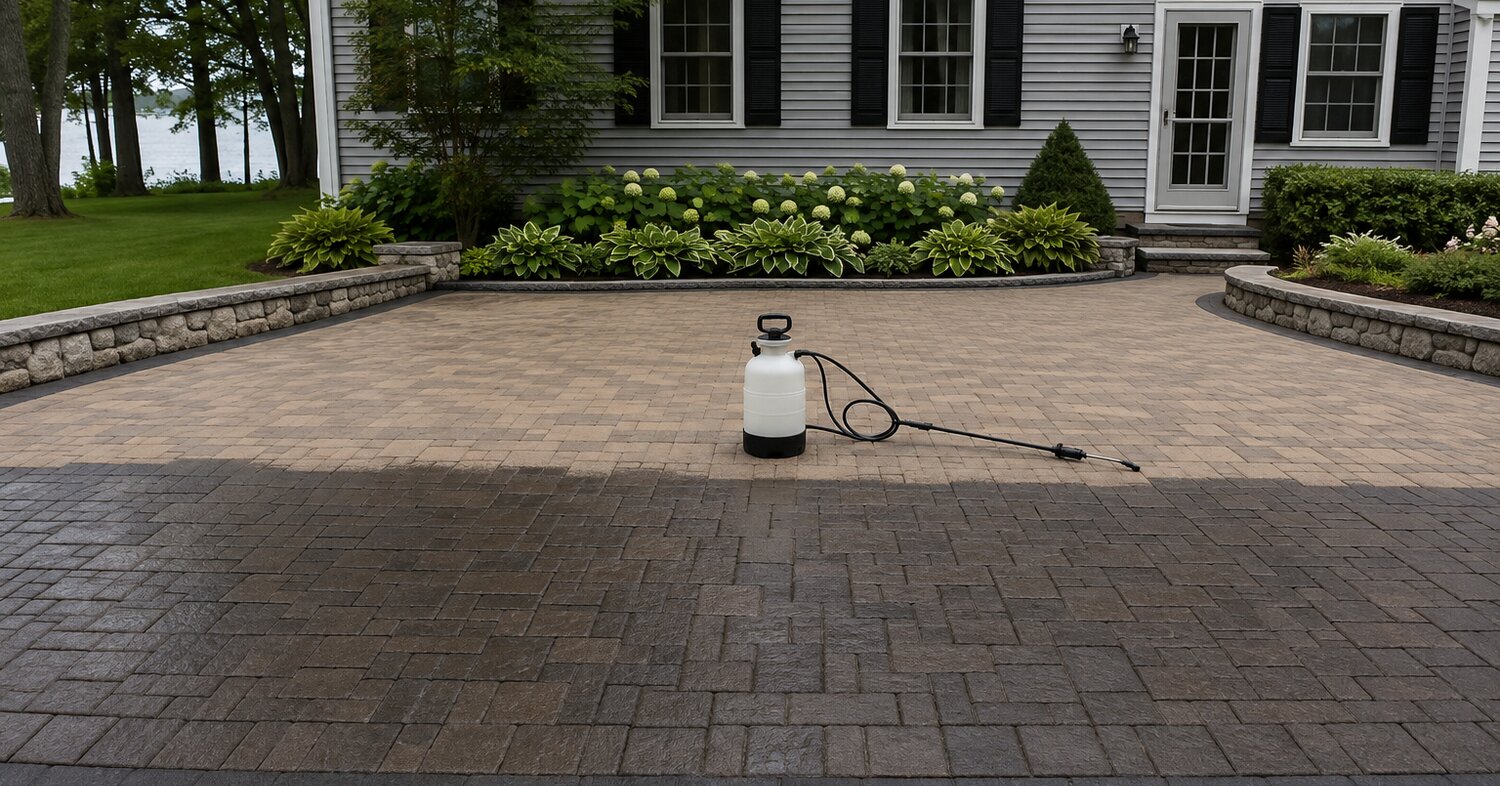
Spring patio planning in New Hampshire starts months before the ground thaws. Homeowners across the state begin thinking about outdoor living spaces once the holiday season winds down, and by late winter those ideas need a clear plan behind them. The difference between a paver patio New Hampshire project that gets built on schedule and one that stalls into midsummer usually comes down to how early the planning started.
New Hampshire weather sets a narrow window for outdoor construction. Most paver patio crews begin work in mid April once frost is out of the top 12 inches of soil, and by June the best contractors are booked through fall. Spring patio planning in New Hampshire means locking in your design, your materials and your contractor while there is still room on the calendar. This guide walks through every step so you can break ground when the season opens and enjoy your new patio before the Fourth of July.
Table of Contents
- Why Spring Patio Planning in New Hampshire Starts in Winter
- Month by Month Patio Planning Timeline for NH Homeowners
- Choosing the Right Patio Design for Your New Hampshire Home
- Paver Materials That Handle New Hampshire Winters
- Spring Patio Costs in New Hampshire for 2027
- Drainage and Grading for NH Patios
- How to Hire a Patio Contractor in New Hampshire
- Permits and Regulations for NH Patios
- Preparing Your Yard for Spring Patio Construction
- Frequently Asked Questions
- Conclusion
Why Spring Patio Planning in New Hampshire Starts in Winter
The construction season in New Hampshire runs from roughly mid April through late November. That sounds like a generous window until you consider that every homeowner who wants a new patio is competing for the same crews during the same months. Every patio contractor New Hampshire homeowners trust fills spring schedules by February or early March. If you wait until the snow melts to start calling around, you may not get on a schedule until July or August.
Spring patio planning in New Hampshire also gives you time to make design decisions without pressure. Choosing a paver color, a layout pattern, a border style and any add on features like a fire pit pad or a sitting wall takes thought. Rushing those decisions leads to regret. When you start planning in January you can visit showrooms, compare samples at home and settle on a design you will love for decades.
Material lead times add another reason to plan early. Cambridge Pavingstones with ArmorTec and other premium paver lines are manufactured in batches. If a distributor runs low on a particular color, the next shipment may be four to six weeks out. Ordering materials in February or March gives your patio contractor New Hampshire project time to have everything on site when the crew arrives in April.
Month by Month Patio Planning Timeline for NH Homeowners
A clear timeline keeps your spring patio planning in New Hampshire on track from the first phone call to the final polymeric sand sweep. Here is a month by month breakdown that experienced contractors recommend.
January is research month. Browse patio designs online, drive past homes in your neighborhood that have patios you like, and make a rough list of what you want. Think about size, shape, features and how the patio connects to the house. Write down your budget range so you can have an honest conversation with contractors.
February is when you contact contractors. Reach out to two or three patio installers, describe your project and schedule site visits. A reputable contractor provides a free estimate within 12 to 24 hours of the visit. Compare paver patio New Hampshire proposals on scope, materials, base depth, warranty and timeline rather than price alone.
March is decision month. Sign a contract, put down the deposit and finalize your material selections. Your contractor orders the pavers, base stone, bedding sand, edge restraint and polymeric sand. If your project needs a permit, this is when the application goes in.
April through May is construction season opening. Once the frost leaves the top layer of soil and the ground firms up, crews start breaking ground. A 300 square foot patio typically takes 3 to 5 days from excavation to cleanup. Spring patio planning in New Hampshire that follows this timeline puts you on a lounge chair by Memorial Day weekend.
Choosing the Right Patio Design for Your New Hampshire Home
New Hampshire homes range from colonial capes on the seacoast to timber frame lodges in the Lakes Region. The best patio design complements the architecture rather than competing with it. A colonial home with white clapboard siding pairs well with a rectangular patio in a herringbone or running bond pattern using grey toned pavers and a charcoal soldier course border. A more rustic property might call for a freeform shape with tumbled pavers in warmer earth tones.
Size depends on how you plan to use the space. A dining area for six needs roughly 12 by 14 feet. A seating area with a sofa set adds another 10 by 12 feet. A fire pit pad requires a minimum 14 foot diameter circle to keep chairs at a safe distance from the flame. Total these zones up and add a few feet of buffer for walkways and planting beds. Most NH patio projects end up between 250 and 400 square feet.
The connection between the patio and the house matters more than many homeowners realize. A patio that sits 6 inches below the door threshold with a clean transition and no step down gap looks intentional and feels like an extension of the home. A patio set too low or too far from the house feels disconnected. Your contractor should shoot grade elevations during the site visit to get this right.
Consider how afternoon sun and wind affect your chosen location. In much of New Hampshire, a south or southwest facing patio catches the most sun through spring and summer. If your preferred spot gets full afternoon sun in July and August, plan for a pergola or shade sail. If the site is exposed to northwest winds, a sitting wall or a row of arborvitae provides a natural windbreak.
Paver Materials That Handle New Hampshire Winters
New Hampshire patio materials need to survive freeze thaw cycling, road salt runoff, ice melt chemicals and heavy snow loads. Not every paver on the market meets those demands. Here is what works and what to avoid.
Interlocking concrete pavers are the top choice for spring patio planning in New Hampshire. They flex independently on the sand bed, so frost heave shifts individual units rather than cracking a solid slab. Cambridge Pavingstones with ArmorTec add a protective surface layer that resists staining, fading and wear. These pavers carry a lifetime limited warranty and come in dozens of colors and textures, making them the preferred choice for any paver patio New Hampshire contractor installs. You can browse the full range of paver styles on our New Hampshire patio page.
Natural stone like bluestone, granite and fieldstone looks beautiful but costs 30 to 50 percent more than concrete pavers. Bluestone is popular across New Hampshire for its blue grey color and flat cleavable surface. Granite steps and accents are a New England tradition. Both materials hold up well in cold climates, though natural stone requires a slightly thicker bedding layer to accommodate irregular thickness.
Stamped concrete and poured slabs are less expensive up front but carry a hidden cost in New Hampshire. A solid slab cannot flex with frost heave the way individual pavers can. Cracks appear within 3 to 5 years on most NH patio slabs made from stamped concrete, and repairs involve cutting out sections and pouring patches that never quite match the original. The Interlocking Concrete Pavement Institute has published extensive research showing that segmental pavers outperform monolithic slabs in freeze thaw environments.
Avoid thin overlay systems and snap together plastic deck tiles. These products are designed for mild climates. One New Hampshire winter of plowing, shoveling and ice melt will warp, crack or dislodge them.
Spring Patio Costs in New Hampshire for 2027
Knowing what a patio costs keeps your spring patio planning in New Hampshire realistic. Prices vary by material, size, site conditions and the features you add. Here are the ranges NH homeowners can expect in the 2027 season.
A basic paver patio with a compacted crushed stone base, bedding sand, Cambridge pavers in a standard color, a soldier course border and polymeric sand runs $15 to $25 per square foot installed. A 300 square foot patio at that rate costs $4,500 to $7,500. Premium colors, larger format pavers and multi piece patterns push the cost toward $25 to $30 per square foot.
Site conditions affect price significantly. A flat, accessible backyard with no demolition needed is the least expensive scenario. If the crew needs to remove an old concrete slab, haul away debris, cut into a slope or work around buried utilities, the cost can add $1,000 to $3,000 to the project. Properties with limited access for equipment may also cost more because materials have to be moved by hand.
Add on features increase the total but often add more value than their cost. A sitting wall around two sides of a patio runs $40 to $65 per linear foot. A fire pit pad with a block fire ring costs $1,500 to $3,000 depending on size and material. Paver steps from the patio to a lower yard level cost $150 to $300 per riser. A walkway connecting the paver patio New Hampshire homeowners love to the driveway or garden runs $15 to $22 per square foot.
Financing makes larger projects accessible. Affordable Patio NH offers financing through Lyon Financial, so homeowners can spread the cost of a comprehensive outdoor living project across manageable monthly payments.
Drainage and Grading for NH Patios
Drainage is the single most important technical element in spring patio planning in New Hampshire. A patio that pools water will heave, shift and deteriorate. A patio with proper drainage lasts decades with minimal maintenance.
Every patio needs a minimum slope of 1/8 inch per foot away from the house. On a 16 foot deep patio, that translates to a 2 inch drop from the house wall to the far edge. The slope should be consistent and gradual enough that furniture sits level while water still flows away. Your contractor sets this grade using a laser level or a transit during the base preparation stage.
The base itself handles subsurface drainage. A properly built patio in New Hampshire sits on 6 to 8 inches of compacted crushed stone. This aggregate layer serves two purposes. It distributes the load of the patio across the subgrade so no single point bears too much weight. And it allows water to percolate downward rather than sitting under the pavers. In areas with heavy clay soils, which are common in parts of Rockingham and Strafford counties, a French drain or curtain drain behind the patio intercepts groundwater before it reaches the base.
Gutter downspouts are a frequent oversight. If the house gutters dump water onto the patio surface, that concentrated flow erodes the polymeric sand joints and washes out the bedding layer over time. Downspouts should be extended underground and piped to daylight at least 6 feet from the patio edge. Plan this during the design phase so the piping runs under the base layer rather than being added as an afterthought.
How to Hire a Patio Contractor in New Hampshire
Choosing the right contractor is the most consequential decision in spring patio planning in New Hampshire. The same paver, laid on the same base, will perform beautifully or fail within a few years depending on who built it. Here is how to evaluate your options.
Start by verifying that the contractor is registered with the New Hampshire Secretary of State and carries general liability insurance and workers compensation coverage. Ask for a certificate of insurance, not just a claim that they are insured. Any contractor who hesitates to provide proof of insurance is a risk you should not take.
Experience matters more than advertising. Ask how many patios the contractor has built in New Hampshire specifically. Climate and soil conditions here are different from southern New England, and a contractor with 15 or more years of NH experience knows the local quirks. Affordable Patio NH has completed over 1,000 masonry projects in New Hampshire, which means we have seen and solved every site condition the state can throw at a patio.
Ask any patio contractor New Hampshire crews about base preparation in detail. A contractor who skims on the base is cutting the most important corner. The right answer for a patio in New Hampshire is 6 to 8 inches of compacted crushed stone, placed in lifts and compacted with a plate tamper between each lift, topped with 1 inch of screeded bedding sand. If a contractor quotes 2 inches of base or says they lay pavers directly on sand, walk away.
Get the warranty in writing. A verbal promise means nothing once the crew leaves your property. Affordable Patio NH provides a 3 year workmanship warranty that covers settling, shifting, base failure and drainage issues. Cambridge pavers carry their own lifetime limited manufacturer warranty on the product itself.
Compare proposals on equal terms. Make sure each contractor is quoting the same base depth, the same paver product, the same edge restraint system and the same polymeric sand. You can review the full list of what we build on our New Hampshire services page. A low bid that uses a 4 inch base, generic pavers and no edge restraint is not a comparable NH patio proposal. It is a different product that will perform differently.
Permits and Regulations for NH Patios
Most at grade paver patios in New Hampshire do not require a building permit. However, several situations trigger permit requirements that you should check during your spring patio planning in New Hampshire.
If your patio is within the setback zone established by your town zoning ordinance, you may need a variance or a special exception. Setback distances vary by municipality. In many NH towns, the rear setback is 15 to 30 feet from the property line. Check your town planning board website or call the building inspector before finalizing your layout.
Projects that involve retaining walls over 4 feet in exposed height typically require a building permit and may need engineered drawings. If your patio site requires a retaining wall to create a level pad, factor the permit timeline into your spring schedule. Permit processing in New Hampshire towns runs 2 to 4 weeks during peak season.
Properties in shoreland protection zones, designated wetland buffers, or flood hazard areas face additional review from the NH Department of Environmental Services. Shoreland zone restrictions apply within 250 feet of public waters, and impervious surface limits may cap the size of your patio. Your patio contractor New Hampshire team should be familiar with these regulations and can help you navigate the approval process.
HOA covenants add another layer. If your property is in a homeowners association, review the architectural guidelines before committing to a design. Some HOAs restrict material choices, colors, or the total coverage of hardscape on a lot.
Preparing Your Yard for Spring Patio Construction
Once your contract is signed and your materials are ordered, a few steps on your end will help the crew start smoothly when construction day arrives. This preparation is part of thorough spring patio planning in New Hampshire.
Mark the approximate patio footprint with spray paint or stakes and string. This helps you visualize the size and position before the crew excavates. Live with the layout for a few days. Walk through the space, set a chair in the middle, and check sight lines from inside the house. Adjustments are free at this stage and expensive later.
Clear the work area of anything that needs to move. Potted plants, lawn furniture, garden ornaments, hose reels and anything stored against the house within 10 feet of the patio edge should be relocated. The crew needs room for excavation equipment, material staging and a plate compactor. A clear site means the crew works faster and your paver patio New Hampshire project finishes sooner.
Call 811 at least 72 hours before the dig date to have underground utilities marked. New Hampshire law requires this for any excavation. Gas lines, electric cables, cable TV, irrigation pipes and septic components all need to be located. Your contractor should remind you of this step, but it is ultimately the property owner’s responsibility.
Talk to your neighbors. Patio construction involves equipment noise, truck deliveries, and dust. A quick heads up builds goodwill. Let them know the project will last 3 to 5 days and that the crew works standard hours, typically 8 AM to 5 PM Monday through Friday.
Protect any plants or landscape features you want to keep. If a garden bed, tree root zone or irrigation head falls within the work area, point it out to your contractor before the crew arrives. Temporary fencing or root barriers can protect established plantings from equipment damage.
Frequently Asked Questions
When should I start planning a patio in New Hampshire?
Start your spring patio planning in New Hampshire in January or February. This gives you time to research designs, contact contractors, compare estimates and order materials before construction season opens in mid April. Contractors who do quality work fill their spring schedules early, so waiting until March or April means you may not get on a calendar until summer.
How much does a paver patio cost in New Hampshire?
A paver patio in New Hampshire costs $15 to $30 per square foot installed, depending on the paver product, site conditions and features. A standard 300 square foot patio with Cambridge Pavingstones, a compacted crushed stone base, soldier course border and polymeric sand runs $4,500 to $9,000. Add ons like fire pit pads, sitting walls and walkways increase the total.
How long does it take to build a patio in New Hampshire?
A typical 300 square foot paver patio takes 3 to 5 days from excavation to final cleanup. Larger projects, sites that need demolition of an old surface, or properties with steep slopes may take a full week. Weather delays from spring rain can add a day or two. Your contractor should provide a realistic timeline in the proposal.
Do I need a permit for a patio in New Hampshire?
Most at grade paver patios do not require a building permit in New Hampshire. However, patios within zoning setbacks may need a variance, and projects that include retaining walls over 4 feet tall require a permit. Properties in shoreland protection zones or wetland buffers face additional review. Check with your town building department during the planning phase.
What is the best patio material for New Hampshire weather?
Interlocking concrete pavers are the best material for spring patio planning in New Hampshire. Each paver moves independently on the sand bed, so freeze thaw heave shifts individual units rather than cracking a monolithic slab. Cambridge Pavingstones with ArmorTec resist staining, fading and surface wear. Natural stone like bluestone and granite also performs well but costs 30 to 50 percent more.
Can I build a patio myself in New Hampshire?
You can build a small patio yourself, but the base preparation is the critical step that most DIY projects get wrong. A patio in New Hampshire needs 6 to 8 inches of compacted crushed stone placed in lifts. Without a plate compactor, a laser level and experience reading the soil, the base will settle unevenly within one or two freeze thaw cycles. For any patio over 100 square feet, hiring a professional contractor saves money in the long run by avoiding costly repairs.
Conclusion
Spring patio planning in New Hampshire rewards homeowners who start early. The construction window is finite, the best contractors book up fast, and material lead times shrink as the season approaches. By beginning the process in January or February, you give yourself the time to make thoughtful design decisions, compare contractor proposals on equal terms, and lock in a spring start date that puts your new patio underfoot before summer entertaining season begins.
Affordable Patio NH has more than 15 years of experience building paver patios across Strafford County, Rockingham County and York County, Maine. We use Cambridge Pavingstones with ArmorTec, build every patio on 6 to 8 inches of compacted crushed stone, and back our work with a 3 year workmanship warranty. We provide free estimates within 12 to 24 hours and offer financing through Lyon Financial.
Ready to start your spring patio planning in New Hampshire? Call us at (603) 999-9696, email [email protected], or visit our contact page to request your free estimate. You can also explore our Build and Price tool to start designing your patio today.