
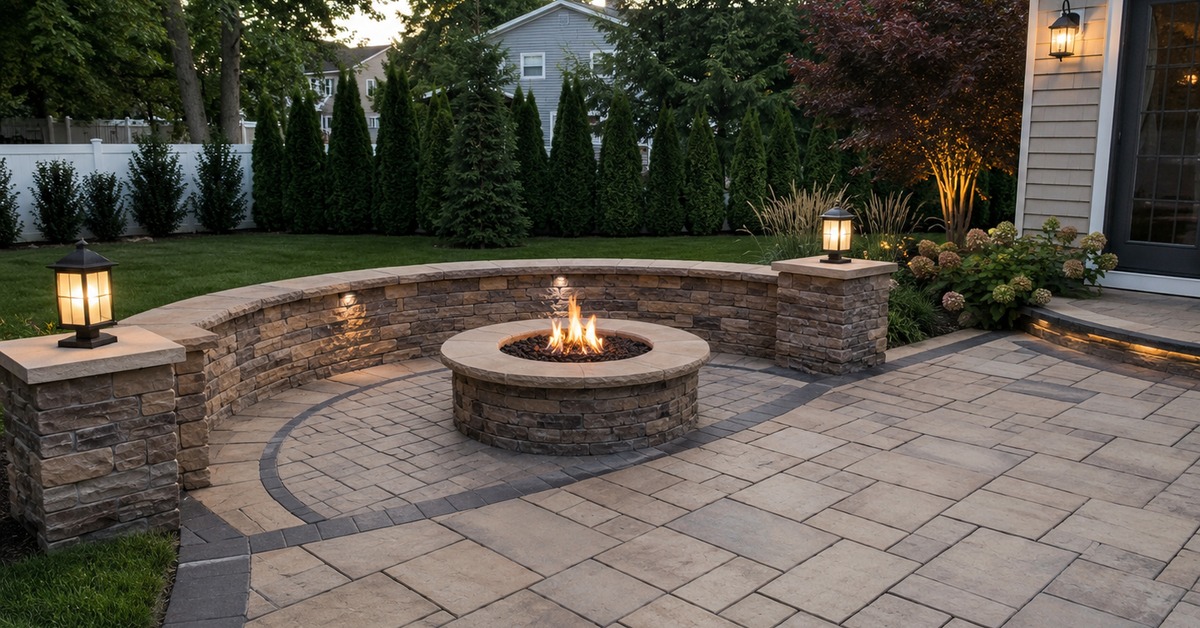
Luxury fire pit installer planning starts with the full backyard, not just the fire pit itself. A high-end fire pit should feel connected to the patio, seating, walkways, privacy, lighting, and entertainment flow around it. When the fire pit is treated like a separate feature, the yard can feel unfinished. When it is planned as part of the patio layout, it can become the center of the space. This guide explains custom fire pit installation, fire pit placement, built-in seating walls, paver patio integration, gas line planning, privacy, lighting, and when an outdoor living space contractor should plan everything together.
Table of Contents
Quick Answer
A fire pit feels built-in and high-end when the patio, seating, walking paths, lighting, privacy, and safety clearances are planned together. A luxury fire pit installer should think beyond the pit shape and help connect the feature to the way people cook, sit, talk, walk, and gather in the backyard.
What a luxury fire pit installer looks at first
A luxury fire pit installer should start with the yard layout. The first question is not whether the fire pit should be round, square, gas, or wood. The first question is how people will move around it. Fire pit installation should work with the patio, not fight against it.
A built-in fire pit should feel anchored. That may mean placing it at the edge of a patio, centering it within a lounge zone, or connecting it to sitting walls. It should not block the main walkway from the house to the grill, pool, or yard.
Affordable Patio’s Long Island fire pit installation service focuses on fire pit projects that turn the patio into a warm outdoor gathering area. For Suffolk County homes, the best fire pit plans consider space, grade, drainage, materials, and how the rest of the backyard is used.
Fire pit placement and entertainment flow
Luxury fire pit installer planning should make the fire pit easy to enjoy without making the rest of the patio harder to use. The fire pit should feel close enough for conversation but far enough from dining, cooking, doors, and walking routes to avoid crowding.
Entertainment flow matters. Guests should be able to walk from the house to the patio, from the grill to the seating area, and from the fire pit to the yard without stepping through the main conversation circle. Custom fire pit installation works best when the seating area feels natural, not squeezed into leftover space.
A good outdoor living space contractor will also review wind direction, smoke movement, furniture size, and nearby structures. In Suffolk County, mature trees, fences, pool equipment, sheds, and narrow side yards can all affect placement.
Built-in seating walls make the fire pit feel finished
A built-in fire pit often feels more finished when it has seating walls nearby. Sitting walls can frame the fire area, create extra seating, and make the space look planned. They also help the fire pit feel like part of the patio instead of a loose feature placed in the middle.
Affordable Patio’s sitting wall service describes seating walls as a way to create an outdoor retreat for family and guests. When a sitting wall is paired with custom fire pit installation, the wall can define the lounge zone while leaving room for movable chairs.
A luxury fire pit installer should think about seat height, wall shape, distance from the flame, and how people enter and exit the area. A wall that is too close can feel tight. A wall that is too far away may not support conversation.
| Design detail | What to plan | Why it matters |
|---|---|---|
| Placement | Distance from doors, dining, grill, pool, trees, and fences | Protects flow, comfort, and safety |
| Seating | Built-in walls, loose chairs, seat spacing, and entry points | Makes the fire pit easy to use during gatherings |
| Patio integration | Paver pattern, border, base, drainage, and transitions | Helps the feature look like part of the patio |
| Fuel planning | Gas line route, shutoff access, or wood-burning storage needs | Prevents layout changes after construction starts |
| Lighting and privacy | Path lighting, wall lighting, plantings, and sight lines | Creates a more comfortable evening space |
If you want the fire pit to feel like part of the patio instead of an add-on, contact Affordable Patio before choosing the final shape, location, or seating layout.
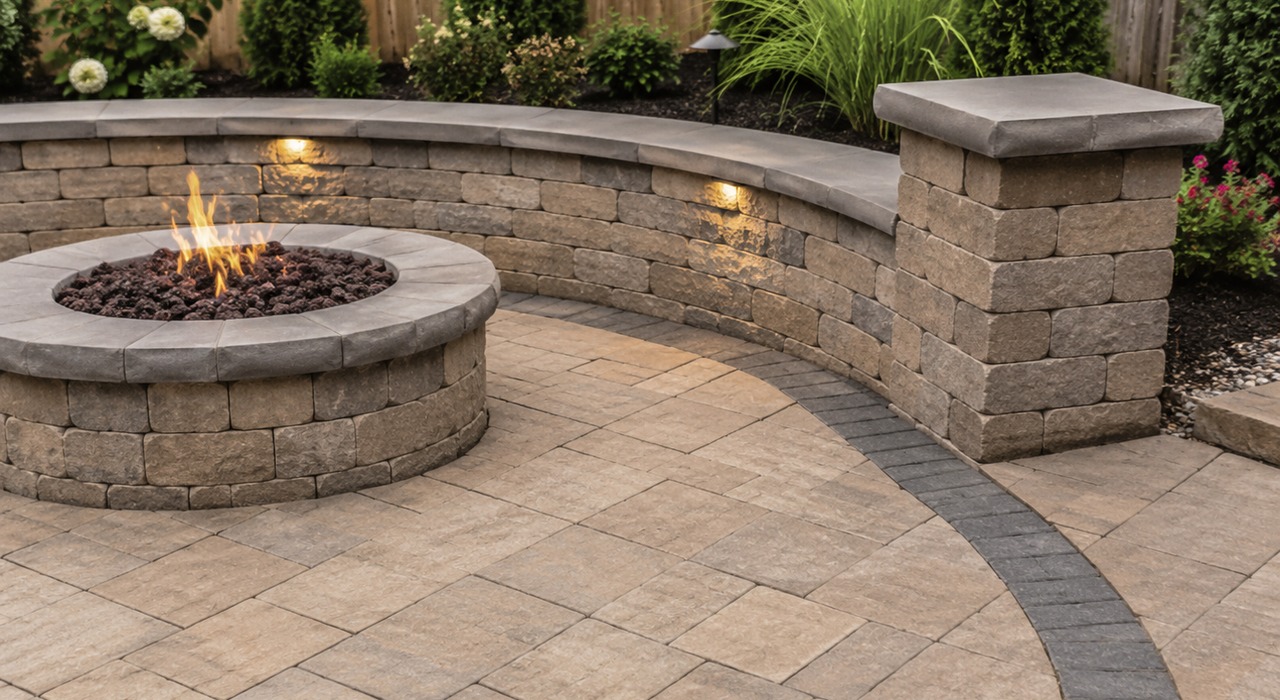
Paver patio integration for a built-in fire pit
Luxury fire pit installer work should account for the paver patio around the feature. A built-in fire pit needs the right surrounding surface, clear walking space, and a patio layout that can handle chairs, foot traffic, and heat-conscious placement.
Affordable Patio’s Suffolk County patio installation service describes a patio process that uses 4 to 6 inches of crushed concrete base, compaction, fine mason sand, paver installation, concrete edge restraint, and polymeric sand joints. That base planning matters when the patio connects to fire pit installation, seating walls, or other masonry features.
Custom fire pit installation should also consider paver borders and pattern changes. A border can define the fire zone. A different paver pattern can make the seating area feel intentional. A clean transition from the patio to the fire pit gives the whole space a more finished look.
Gas line planning, clearances, and safety
Gas fire pit installation needs planning before construction starts. A gas line route, shutoff location, appliance clearances, and licensed trade needs should be reviewed early. If the patio is built first and the gas question is added later, the project may require extra disruption.
NFPA recommends placing fire pits outdoors, at least 10 feet from anything that can burn, on level nonflammable ground, and keeping the area clear of trip hazards. Their guidance also recommends keeping fire-extinguishing equipment nearby and making sure the area is well lit when people approach or leave the fire pit. Review NFPA’s fire pit and outdoor fire safety tips before finalizing placement.
A luxury fire pit installer should also discuss whether gas or wood makes more sense for the space. This article is not a fuel comparison, but fuel choice affects placement, storage, comfort, and how the fire pit connects with the patio design.
Privacy, lighting, and the high-end feel
A built-in fire pit feels more complete when the space around it feels comfortable at night. Privacy and lighting are two of the biggest design details. A fire pit may need a sense of enclosure from a sitting wall, plantings, fence line, or nearby patio layout.
Lighting should guide people to and from the fire area. Path lights, wall lights, step lights, or soft patio lighting can help guests move safely without making the space feel too bright. A luxury fire pit installer should think about where people enter, where they sit, and where shadows will fall.
Privacy also affects comfort. If the fire pit faces a neighbor’s window, driveway, or open street view, the seating may feel exposed. An outdoor living space contractor can help position the built-in fire pit so the space feels more personal while still keeping the patio open and practical.
When an outdoor living space contractor should plan the whole area
A luxury fire pit installer is especially useful when the fire pit connects to other features. If the project includes a patio, outdoor kitchen, walkway, pool patio, sitting wall, or retaining wall, the order of work matters. One change in grade or layout can affect every feature.
An outdoor living space contractor can help plan the fire pit as part of the full backyard. That means checking patio size, seating spacing, walkways, wall placement, drainage, lighting, and future upgrades together. This is often better than choosing a fire pit first and trying to fit everything else around it.
Use Affordable Patio’s Build & Price tool to organize the early project scope, then review the step-by-step process before scheduling an estimate.
A built-in fire pit should feel natural from the first step onto the patio. Plan the seating, lighting, privacy, and walking paths before the final layout is approved.
Frequently Asked Questions
What does a luxury fire pit installer do differently?
A luxury fire pit installer looks beyond the fire pit shape. The planning includes patio integration, seating walls, walking paths, privacy, lighting, drainage, fuel type, and how the fire area connects to the whole backyard.
Is custom fire pit installation worth it?
Custom fire pit installation is worth it when the fire pit connects to a patio, seating wall, outdoor kitchen, pool area, or entertainment space. A custom plan helps the feature look built-in instead of temporary.
Where should fire pit installation happen on a patio?
Fire pit installation should happen where there is enough room for safe clearance, seating, walking paths, and smoke movement. The location should not block the main route from the house to the yard.
What makes a built-in fire pit feel high-end?
A built-in fire pit feels high-end when it has clean patio integration, proper spacing, comfortable seating, strong materials, useful lighting, privacy, and a layout that supports conversation and movement.
Should an outdoor living space contractor plan the fire pit area?
An outdoor living space contractor should plan the fire pit area when it connects to patios, walkways, seating walls, outdoor kitchens, or pool areas. One plan helps avoid disconnected layouts and awkward transitions.
Conclusion
A luxury fire pit installer should help create more than a place for flames. The best fire pit areas feel built-in, finished, and connected to the patio around them. Custom fire pit installation, built-in seating walls, paver patio integration, gas line planning, privacy, lighting, and entertainment flow all shape the final result. With 15+ years of Suffolk County experience, Affordable Patio helps homeowners plan fire pit installation as part of a complete backyard design.
For help from a luxury fire pit installer in Suffolk County, contact Affordable Patio today and plan a built-in fire pit that feels connected, comfortable, and ready for real gatherings.