
Cost to install a paver driveway depends on the size of the driveway, existing surface removal, base preparation, drainage, material choice, borders, aprons, and whether the project includes masonry upgrades like Belgium block. On Long Island, homeowners often compare pavers with asphalt and concrete before choosing the best long-term option. This guide explains what drives driveway pricing, how pavers compare with asphalt and concrete, what goes into a proper driveway base, and why Affordable Patio helps homeowners plan driveway projects with transparent pricing and professional installation.
Quick Answer
Cost to install a paver driveway is usually higher upfront than asphalt or concrete, but pavers offer strong long-term value because they resist cracking, can be repaired in sections, handle freeze-thaw movement well, and create a more custom appearance. Final pricing depends on driveway size, base work, materials, borders, drainage, and site conditions.
What Drives Driveway Installation Costs
Cost to install a paver driveway starts with square footage. A small two-car driveway requires less material, excavation, base, labor, and cutting than a large multi-car driveway. But size is only one part of the price.
Existing surface removal, soil condition, drainage, access, base depth, edge restraints, border design, and material selection all matter. A driveway must support vehicle weight, so base preparation is more demanding than a standard walkway or patio.
Affordable Patio provides driveway installation in Suffolk County, including asphalt, paver driveway elements, borders, aprons, and masonry details.
Asphalt Driveway Costs
Asphalt is usually the lowest upfront driveway option. It creates a clean, dark surface and can be installed quickly when the base is prepared correctly. The trade-off is maintenance. Asphalt typically needs seal coating over time and can show patches after repairs.
On Long Island, asphalt remains popular because it is budget-friendly and practical. Some homeowners choose asphalt for the main driveway surface and add paver or Belgium block accents for a more finished look.
The best asphalt driveway still depends on proper base work. A low price is not helpful if the base is weak, drainage is poor, or the edges fail.
Concrete Driveway Costs
Concrete is usually more expensive than asphalt but less expensive than a full paver driveway. It can look clean and last for many years when installed correctly, but concrete slabs can crack during freeze-thaw cycles.
Once concrete cracks, repairs are often visible. That makes concrete less flexible than pavers. For Long Island homeowners comparing the cost to install a paver driveway against concrete, repairability is one of the biggest differences.
Pavers are individual units, so a settled or damaged section can be lifted and reset. Concrete does not offer that same clean repair option.
Cost to Install a Paver Driveway
Cost to install a paver driveway is higher upfront because the process requires strong excavation, a load-bearing base, careful compaction, paver placement, cuts, borders, and edge restraint. The benefit is long-term performance and curb appeal.
Pavers move more naturally with the ground than a solid slab. This helps them handle seasonal movement better. If one area settles, the affected pavers can be removed, the base can be corrected, and the same pavers can often be reset.
Cambridge Pavingstones explains that its products with ArmorTec are used for driveways and other hardscape areas. Cambridge Pavingstones product information can help homeowners compare paver options.
Side-by-Side Value Comparison
| Category | Asphalt | Concrete | Pavers |
|---|---|---|---|
| Upfront cost | Lowest | Mid-range | Highest |
| Maintenance | Seal coating needed | Low, but cracks can be an issue | Very low with proper installation |
| Repair appearance | Patches may show | Repairs may show | Repairs can blend well |
| Design options | Limited | Moderate | High |
| Freeze-thaw performance | Good with maintenance | Can crack | Excellent when installed correctly |
What Goes Into a Paver Driveway Installation
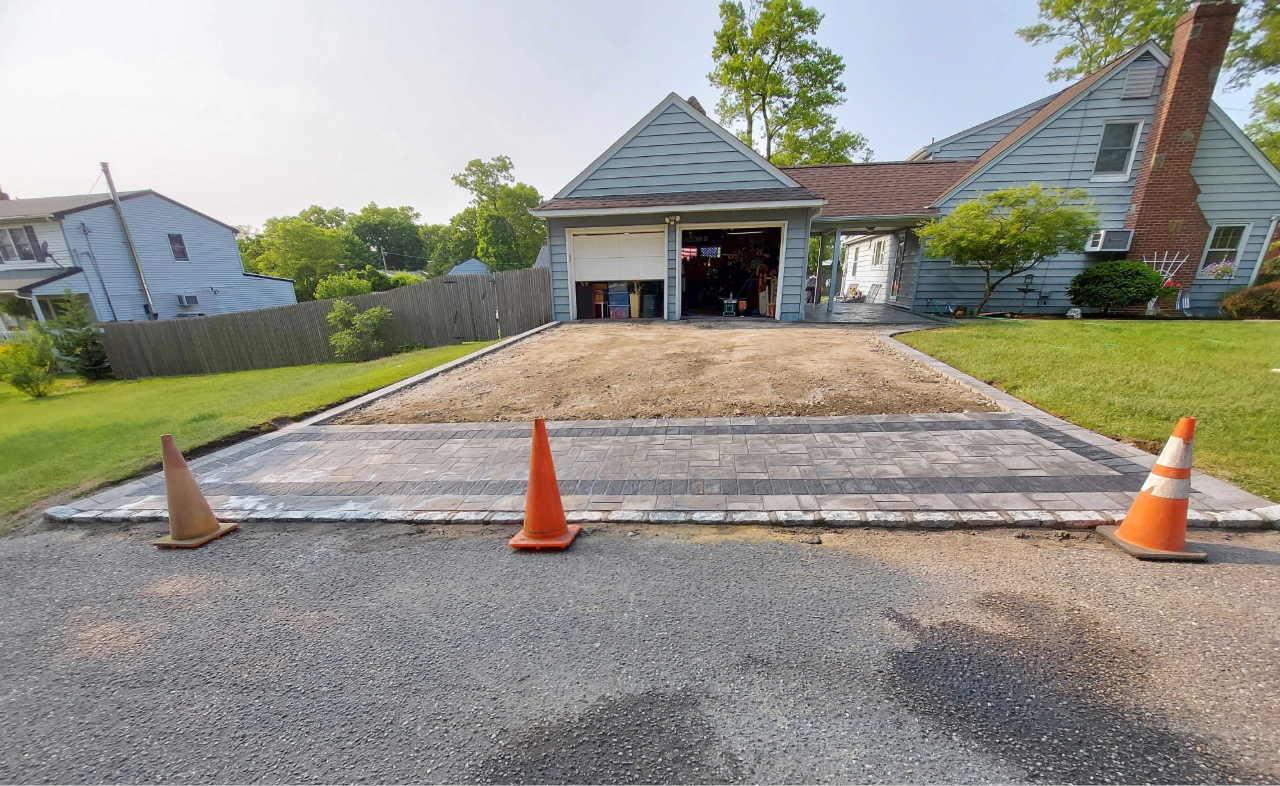
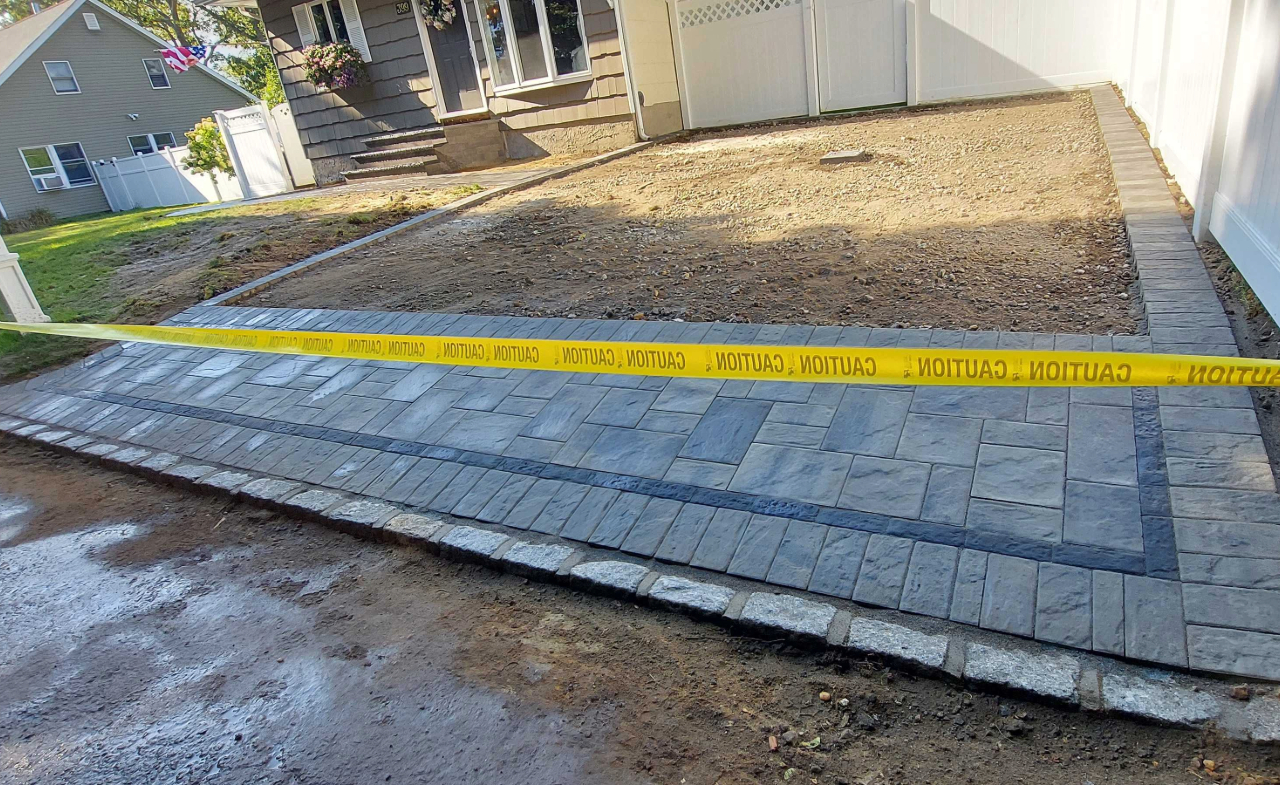
A paver driveway must be built for vehicle traffic. That means the base has to be stronger than a basic pedestrian walkway. Existing material is removed, the area is excavated, and the base is compacted thoroughly before pavers are installed.
Driveway bases often require heavier compaction equipment than smaller hardscape projects. Proper drainage also matters because standing water can weaken the base and shorten the life of the driveway.
Before any excavation, homeowners should know where underground utilities are located. New York 811 explains that calling before digging is the only way to determine the approximate location of underground facilities.
Masonry Add-Ons: Belgium Block, Aprons, and Borders
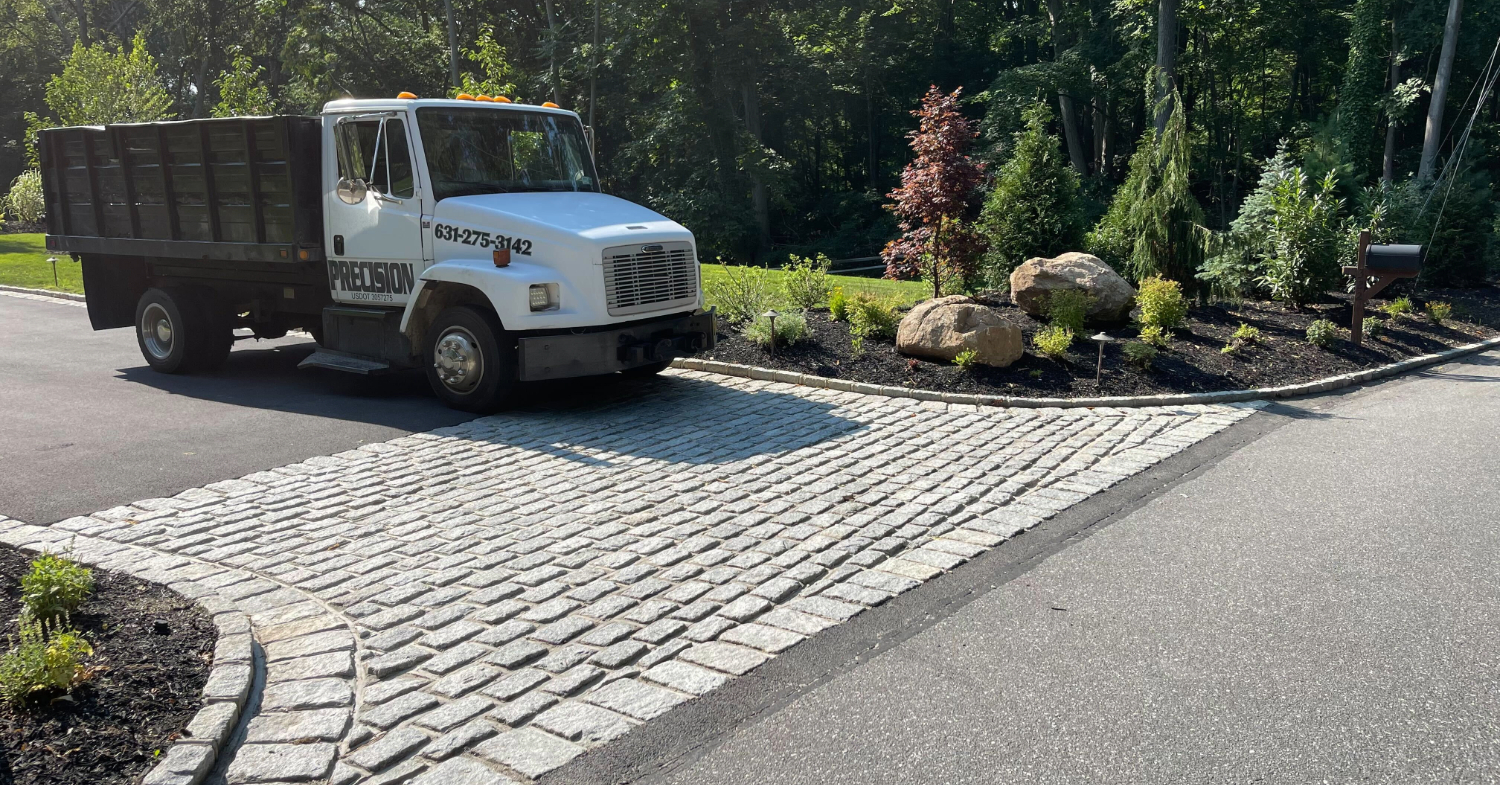
Cost to install a paver driveway can change when homeowners add masonry upgrades. Belgium block curbing, paver aprons, and border details can improve the appearance and function of the driveway.
A paver apron at the driveway entrance creates a stronger visual transition from the street. Belgium block can help define the driveway edge and reduce edge cracking for asphalt surfaces. Borders can also tie the driveway into walkways, patios, or front steps.
These upgrades are especially popular when homeowners want the clean value of asphalt but the finished look of masonry.
Why Affordable Patio
Affordable Patio has completed many driveway projects across Suffolk County and Long Island. The team works with asphalt, pavers, borders, aprons, and masonry add-ons, giving homeowners more options than a company that only installs one driveway material.
The company provides transparent pricing, online project tools, property evaluations, and estimates after review. Affordable Patio also offers a 3-year warranty on installations and focuses on clean project completion.
To start a driveway estimate, visit the Affordable Patio contact page.
Frequently Asked Questions
How long should I wait before driving on a new asphalt driveway?
Many contractors recommend waiting several days before driving on new asphalt. Hot weather can extend the wait because fresh asphalt stays softer longer.
How thick should residential driveway asphalt be?
A common finished residential asphalt layer is about 2 inches before compaction, with the final compacted depth depending on installation method and base preparation.
Can paver driveways handle heavy vehicles?
Yes. Properly installed paver driveways can handle standard residential vehicles when the subbase is built and compacted for driveway loads.
When should an asphalt driveway be seal coated?
Many homeowners wait about two years before the first seal coat, then reseal every two to three years depending on wear and exposure.
Does a paver driveway add resale value?
A well-installed paver driveway can improve curb appeal and may support a stronger first impression for buyers in competitive Long Island neighborhoods.
Conclusion
Cost to install a paver driveway depends on size, base work, materials, drainage, site access, and design upgrades. Asphalt is the lowest upfront option, concrete sits in the middle, and pavers cost more but offer strong long-term value, repairability, and design flexibility.
Affordable Patio helps Long Island homeowners compare driveway options with transparent pricing and professional installation. To request a free estimate, visit the Affordable Patio contact page.