
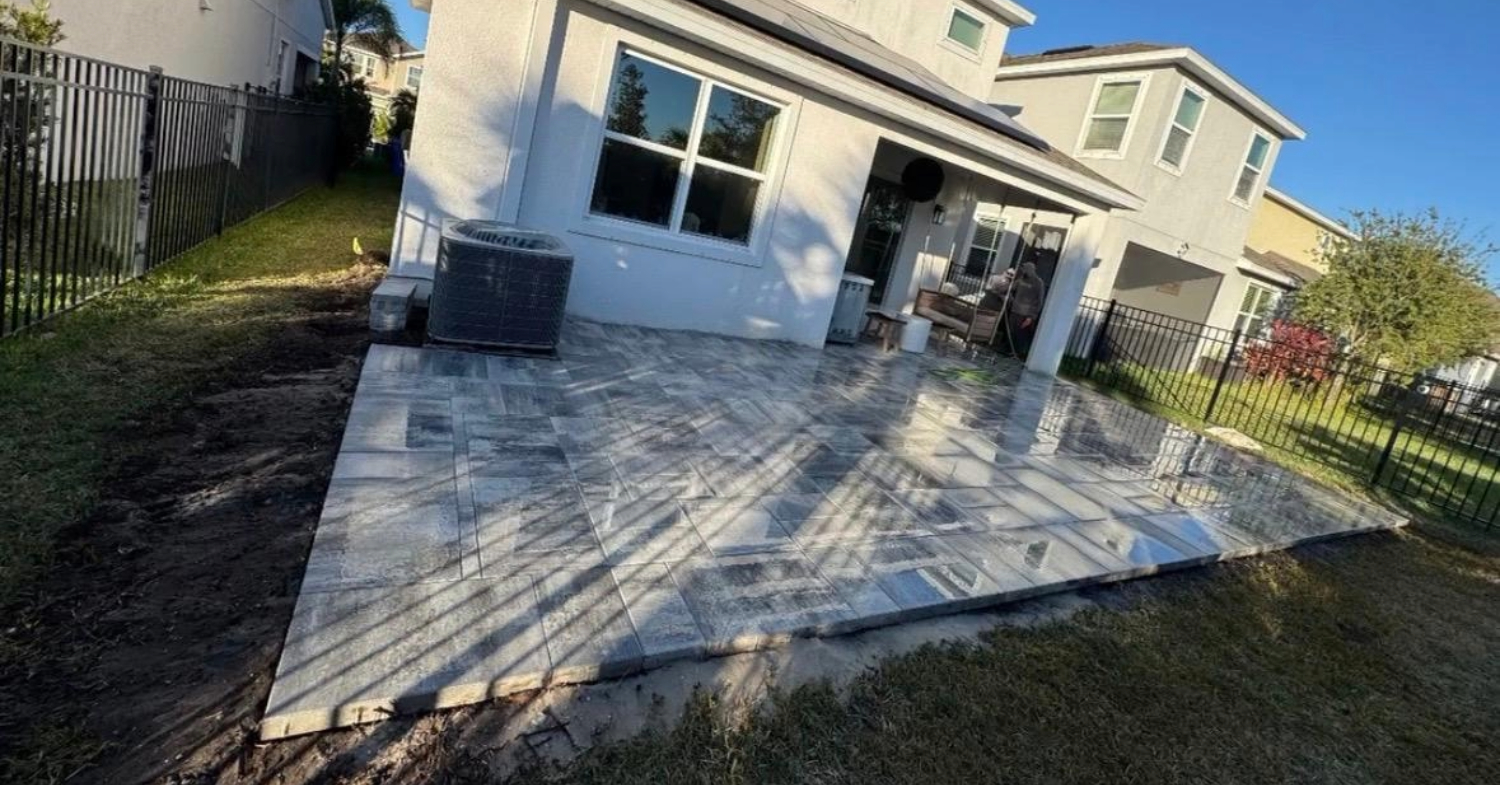
If you have ever looked out at your patio and noticed stubborn green shoots pushing up between your pavers, you already know how quickly a beautiful outdoor space can start to look neglected. Weeds between pavers are one of the most common frustrations homeowners face, and they have a way of returning no matter how many times you pull them out. The good news is that this is a problem with real, lasting solutions. At Affordable Patio, we have spent over 15 years installing paver patios, walkways, driveways, and pool decks across Florida, and we know how to stop weeds between pavers in ways that actually hold up over time.
Whether your pavers were recently installed or have been down for years, the approach to weed prevention is the same: it starts with understanding why weeds grow in the first place, and then using the right materials and methods to cut off their supply. This guide walks you through practical, proven fixes that work in Florida’s climate and beyond.
Why Weeds Grow Between Pavers
Before you can fix the problem, it helps to understand what is causing it. Weeds do not grow up through pavers from beneath the ground in most cases. Instead, they germinate from seeds that land on top of the joint sand and take root in that narrow channel. Wind, birds, and foot traffic all deposit seeds constantly, and once those seeds find a moist, organic-rich gap to settle into, they sprout fast.
In Florida specifically, the warm and humid climate accelerates this process dramatically. What might take weeks to sprout in a northern state can appear within days here. This is why the joint material between your pavers matters so much. Standard mason sand breaks down over time, becomes loose, and creates the perfect seedbed. Addressing the joint material is almost always the most important step when figuring out how to stop weeds between pavers.
Ready to upgrade your backyard? Explore our full range of Florida outdoor living services to find the perfect fit for your home.
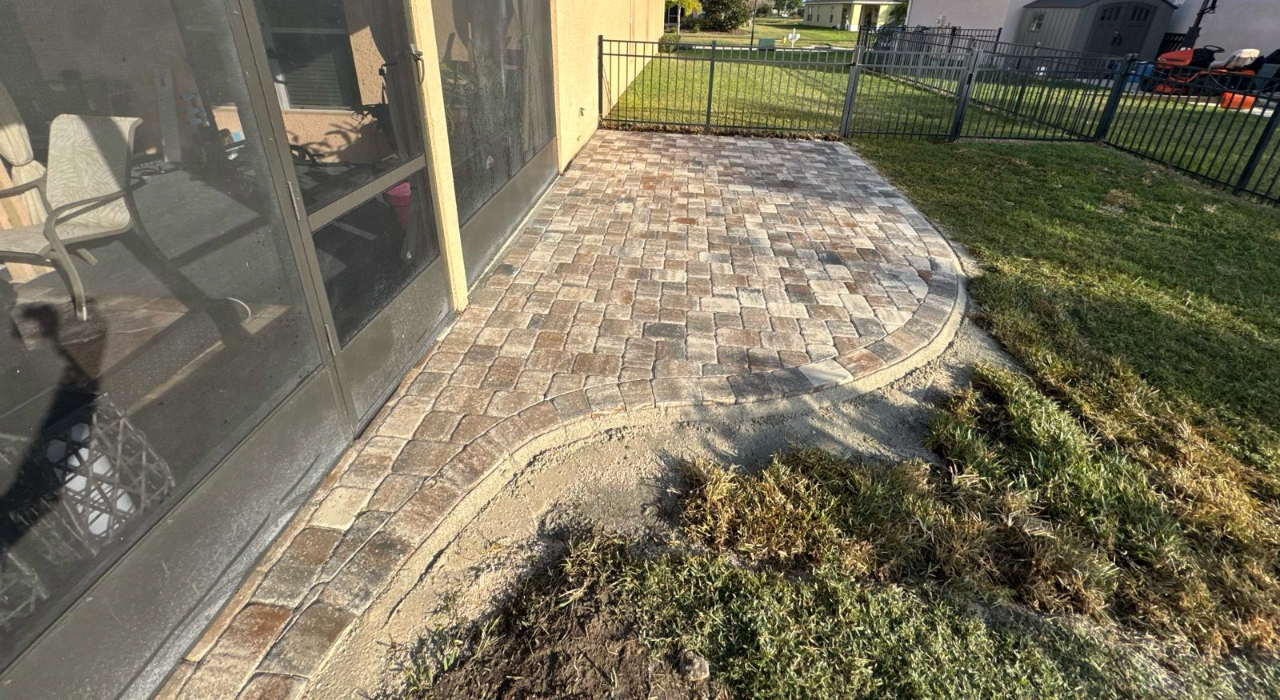
Step One: Clear Out What Is Already There
The first step in any weed-prevention effort is starting clean. Pulling weeds by hand is effective when they are small and have not yet gone to seed. Use a narrow weeding tool or a flathead screwdriver to get into the joints and extract roots fully. Leaving root fragments behind means regrowth within a week or two.
For larger infestations, a propane torch weeder or a targeted application of a paver-safe herbicide can help eliminate what remains. If you go the herbicide route, choose a formula specifically designed for use around hardscaping. Many common weed killers will stain or discolor pavers if applied carelessly, so always follow product directions and rinse the paver surface after treatment.
The Most Effective Long-Term Fix: Polymeric Sand
If you ask any experienced paver installer how to stop weeds between pavers permanently, the answer will almost always come back to polymeric sand. This is the single most impactful upgrade you can make to an existing paver installation. Unlike regular mason sand, polymeric sand contains binding agents that, when activated with water, harden into a firm, cohesive mass within the joints.
The hardened joint does two important things. First, it eliminates the loose, friable texture that weed seeds need to germinate and take hold. Second, it resists washout from rain, which means it stays in place far longer than plain sand. At Affordable Patio, polymeric sand is part of our standard installation process for exactly this reason. We sweep it into the joints, compact it, and then activate it with water so that it cures properly. When it sets correctly, the joints become nearly inhospitable to weed growth.
If your patio was installed with regular sand, re-sanding with polymeric material is absolutely worth doing. The process involves removing the old loose sand with a blower or gentle pressure washing, then sweeping the polymeric sand into the joints, tamping it down, and wetting it according to the manufacturer’s instructions. It is a manageable DIY task for small areas, but for full driveways or pool patios, having it done professionally ensures proper activation and avoids hazing the paver surface.
Curious about the cost? Design and price your project online today with our easy-to-use estimation tool.
Sealing Your Pavers: A Smart Addition
Paver sealant is another tool that complements polymeric sand well. A quality penetrating sealer applied over the paver surface and joints helps lock the sand in place even further, creates a barrier against staining, and gives pavers that rich, wet-look finish that many homeowners love. Sealing does not replace polymeric sand, but when used together, the two treatments make it significantly harder for weeds to gain a foothold.
One thing worth knowing: once you start sealing, it becomes part of your maintenance routine. Sealers wear down over time, typically every two to five years depending on exposure and traffic, and the pavers will need to be resealed to maintain the protection. For many homeowners in Florida, this is an easy trade-off given how much it reduces weed pressure and keeps the patio looking sharp.
Proper Installation Is the Foundation
Here is something we see often: homeowners dealing with persistent weeds because their patio was not installed correctly from the start. A proper paver installation includes a compacted soil base, a recycled concrete aggregate (RCA) subbase, and a fine sand layer on top. When these layers are installed correctly, the dense, stable structure they create limits the organic material and moisture pockets where weeds thrive underground.
At Affordable Patio, we dig down 5 to 7 inches, remove all excavated soil, compact the ground, and build up our subbase in lifts before finishing with screeded sand and quality pavers. Every installation is done to manufacturer specifications. That foundation is what gives our work its longevity and is a big reason why our clients see fewer weed problems over the long run compared to patios built with shortcuts.
If you are planning a new patio and wondering how to stop weeds between pavers before they start, investing in a properly installed base from the beginning is the smartest decision you can make. It costs less in the long run than continual weed treatments and repairs.
Additional Tips That Make a Real Differenc
Keep the Surface Clean
Organic debris like leaves, dirt, and grass clippings settling on your patio creates a layer of nutrient-rich material that makes weed germination far easier. Sweeping or blowing off the surface regularly keeps seeds from finding their footing.
Address Drainage Issues
Standing water softens joint sand and accelerates organic buildup. If your patio has low spots where water pools, correcting the pitch is important both for weed prevention and for the health of the paver structure itself. A properly pitched patio sheds water away from the home and away from the pool, keeping the joint material intact.
Act Early in the Season
In Florida, weed season is effectively year-round, but growth tends to accelerate after rain events in summer. Catching weeds when they are tiny and before they flower and set seed dramatically reduces your overall workload. A quick sweep once a week during growing season can prevent a full-scale infestation.
When to Call a Professional
If your paver joints are completely degraded, the base underneath has settled unevenly, or you are dealing with widespread moss and organic buildup in addition to weeds, a professional assessment is worth having. Sometimes what looks like a weed problem is actually a sign of a base failure or improper drainage that needs to be addressed from the ground up.
We offer free consultations and can evaluate your existing installation to give you an honest picture of what is happening underneath. Whether it is a simple re-sanding job or a more involved repair, Affordable Patio gives you a detailed estimate within 24 hours so you can make an informed decision without pressure.
Have questions about permits or materials? Find expert answers and maintenance tips in our AP Learning Center.
Frequently Asked Questions
Does polymeric sand really prevent weeds long-term?
Yes, when installed correctly, polymeric sand is one of the most effective long-term solutions for weed prevention in paver joints. It hardens into a firm compound that resists seed germination and washout. However, it is not completely permanent. Over many years, it will gradually degrade and may need to be refreshed, especially in high-traffic areas or climates with intense UV and rain exposure. Proper activation during installation is critical to achieving maximum durability.
Can I use vinegar or boiling water to kill weeds between pavers?
Both white vinegar and boiling water are popular home remedies, and they do work for killing weeds on contact. The acetic acid in vinegar desiccates plant tissue quickly, and boiling water destroys cells immediately on contact. The limitations are that neither addresses the root cause, both may need repeated applications, and vinegar at high concentrations can potentially affect the color or surface of some paver types. They are useful as supplemental treatments but should not replace proper joint sand management.
Will landscape fabric under pavers prevent weeds?
Landscape fabric is sometimes used beneath paver installations, but most professional installers advise against it. While it can block some root growth from below, the majority of weed growth in paver joints comes from seeds germinating on the surface in the joint material, not from below. Landscape fabric also tends to impede drainage and can break down over time, potentially causing issues with the subbase stability. Proper base construction and polymeric joint sand are far more effective strategies.
How often should I re-sand paver joints?
The answer depends on what type of sand is used and how much weather and traffic the pavers see. Regular mason sand may need to be topped off or replaced every two to five years in moderate conditions. Polymeric sand lasts longer, typically five to ten years before any significant degradation occurs, though this varies by product quality and climate. If you notice joints becoming visibly hollow, loose, or if weeds are establishing aggressively, it is time to assess and refresh the joint material.
Is pressure washing safe for paver joints?
Pressure washing is safe for pavers themselves, but you need to be cautious around the joints. High-pressure washing directed at the joints will blast out the sand, which then needs to be replaced. If you pressure wash to clean your patio, use a wide fan tip and keep the wand moving across the surface rather than aiming directly into the gaps. After washing, inspect the joints and add sand as needed. If you have polymeric sand, be aware that excessive water or pressure can reactivate it prematurely, so a gentler rinse is preferable.
The Bottom Line on How to Stop Weeds Between Pavers
Knowing how to stop weeds between pavers comes down to addressing the joint material, maintaining the surface, and starting with a solid installation foundation. Polymeric sand is the most powerful single improvement you can make to an existing patio. Combined with regular cleaning, proper drainage, and optional sealing, it gives you a paver surface that stays attractive and weed-resistant for years.
At Affordable Patio, we have been solving exactly these kinds of outdoor living challenges for homeowners across Florida for over 15 years. We have installed more than 2,000 patios, and we take the time to educate every client on how their installation works and how to maintain it. Our 3-year warranty, transparent pricing, and same-day or next-day estimates make working with us a genuinely straightforward experience. We use top-tier materials including Belgard and Flagstone pavers, and we build every project to manufacture specs because we know that doing it right the first time is what earns lasting trust.
If you are ready to deal with weed problems once and for all, or if you want a new patio installed the right way from the ground up, contact Affordable Patio today at (813) 777-5665 or visit AffordablePatio.com to get your free estimate. Let us help you build an outdoor space your family will love for decades to come.