
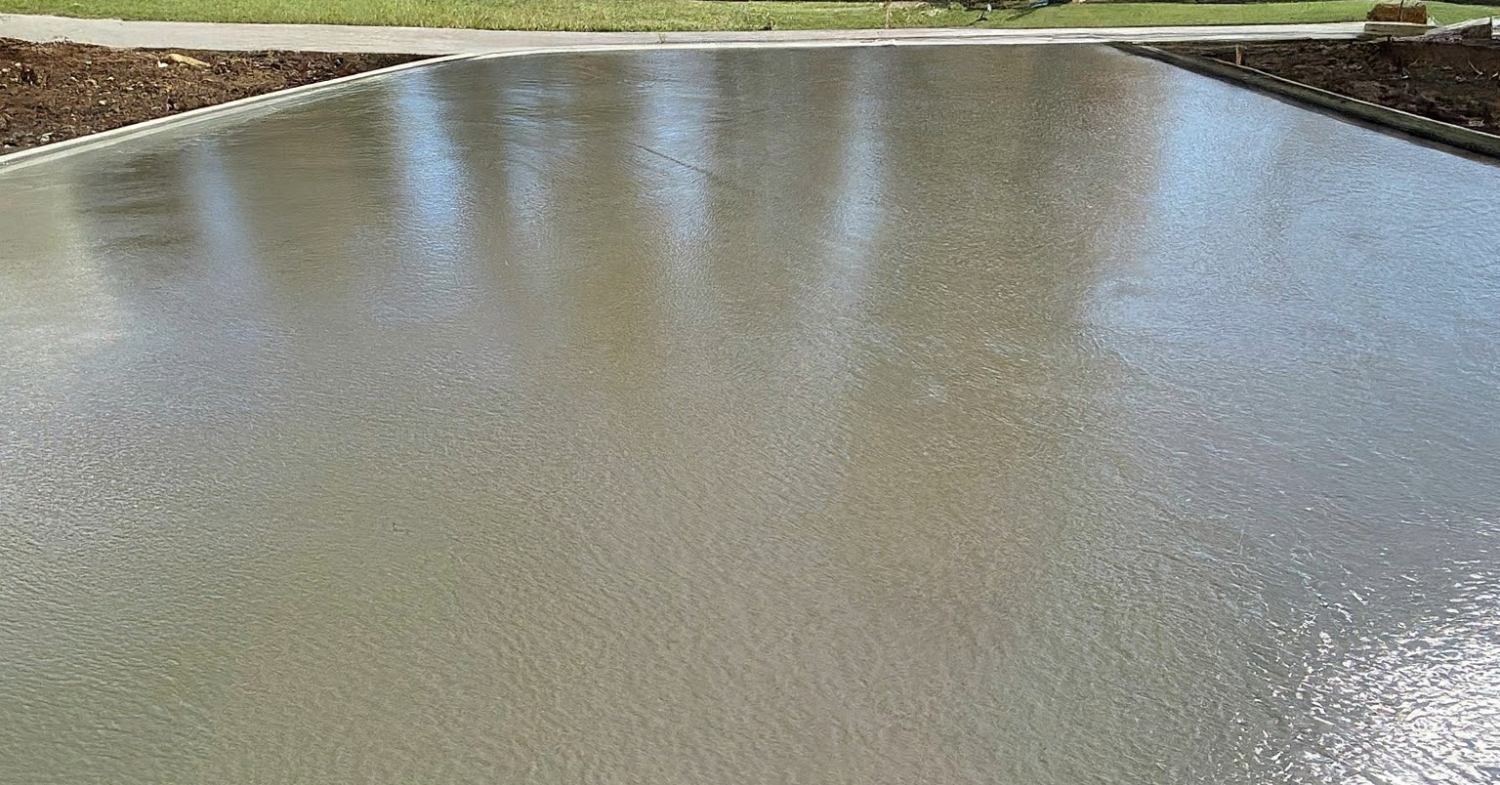
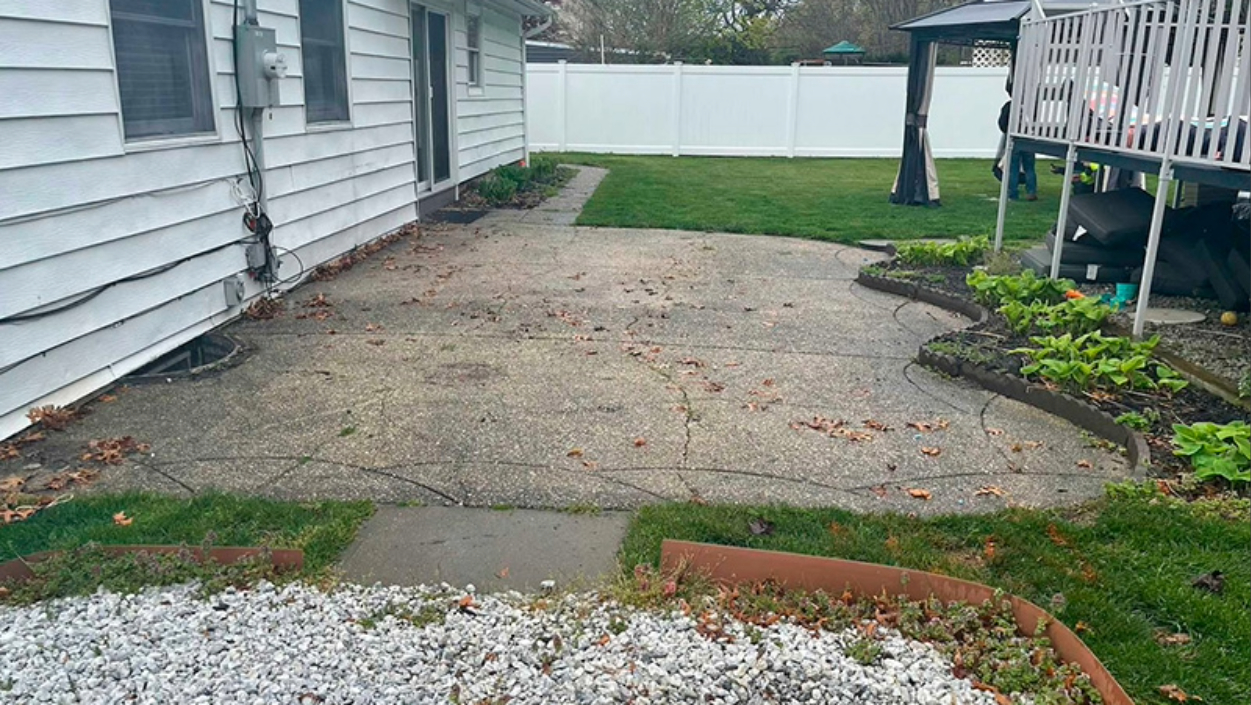
Your old concrete patio has seen better days. It’s cracked, stained, and clearly a relic of a past decade — possibly even the 1970s. You know it’s time for a change, but as you stand there looking at that slab, your first thought is the cost and hassle of breaking it all up. Dumpsters, labor, debris removal — suddenly a backyard refresh sounds like a major renovation.
Here’s the good news: depending on your situation, you may not need to remove that concrete at all. In many cases, an existing concrete slab can be repurposed as a sub-base for a brand-new paver patio — saving you time, money, and a whole lot of demolition headaches. This is called a paver overlay, and it’s one of the most cost-effective options for homeowners looking to upgrade their outdoor space.
Table of Contents
- Old Concrete Patios: Can You Pave Over Concrete?
- What We Look For When Evaluating Old Concrete
- How We Install Pavers Over Your Existing Concrete
- FAQ
- Conclusion
Old Concrete Patios: Can You Pave Over Concrete?
The short answer is: yes, in many cases you can install pavers over existing concrete — but there are a few critical conditions that need to be met first.
When Affordable atio installs a brand-new paver patio from scratch, one of the first steps is pouring a 4-inch concrete slab as the sub-base. That slab is what gives the pavers their strength and stability over time. So if you already have a concrete slab on your property, it’s entirely possible we can skip that step and use what’s already there — as long as the existing concrete is in reasonable condition.
What We Look For When Evaluating Old Concrete
Not every old slab is a candidate for a paver overlay. Here’s what we check during an evaluation:
- Structural condition: The concrete should not be crumbling, heaving, or falling apart. Surface cracks are often fine; major structural damage is not.
- Clearance: We typically need at least 3 inches of clearance from doors, windows, steps, and gates because a paver overlay adds height (leveling layer + pavers).
- Water drainage: The slab needs to pitch water away from the house. Drainage is non-negotiable.
- Old expansion joints: Any wood expansion joints usually need to be removed and cleaned out before work begins.
How We Install Pavers Over Your Existing Concrete
Step 1: Evaluate & Prep the Concrete
We start by thoroughly inspecting the slab. All cracks are cleaned out, any old wood expansion joints are removed, and the surface is prepped for the overlay layers.
Step 2: Check the Pitch & Drainage
Before anything goes down, we verify that the existing slab pitches water away from the structure. Proper drainage is non-negotiable for a long-lasting paver installation.
Step 3: Install Concrete Dry Pack
A dry pack — a mixture of sand and Portland cement installed dry — is spread over the existing concrete. This layer is used for leveling and achieving the precise heights needed before pavers go down.
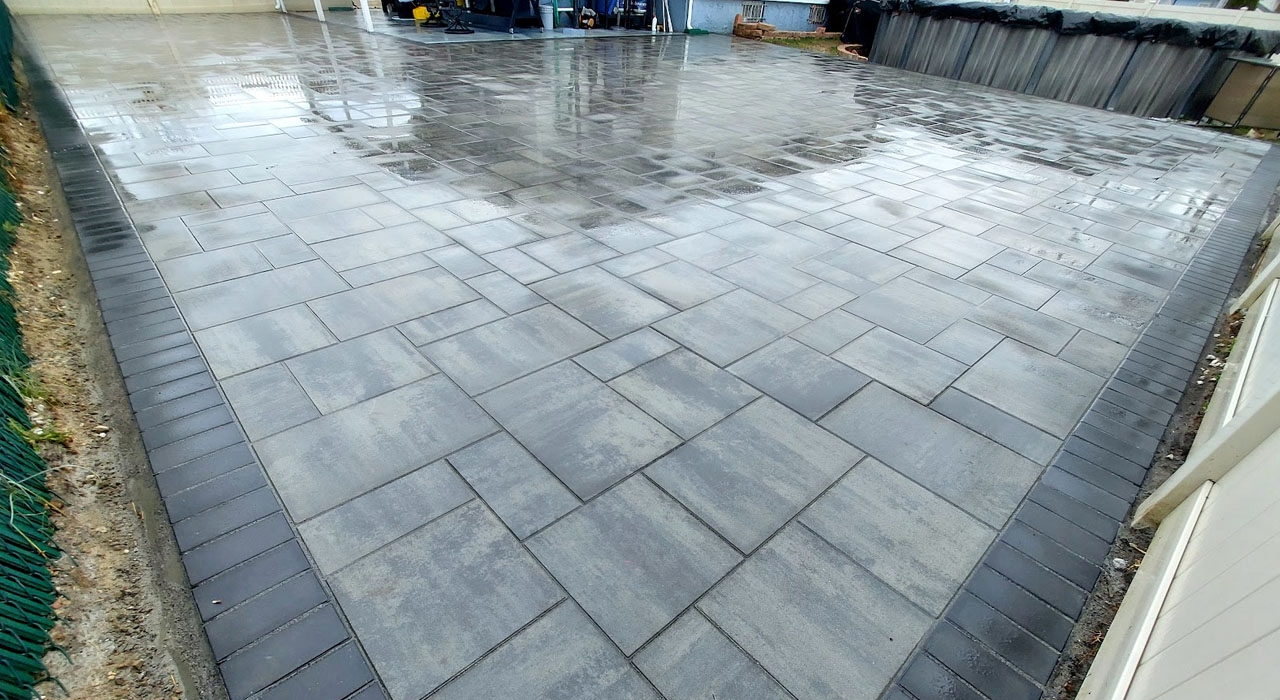
Step 4: Install the Pavers
With the dry pack leveled and at the right height, we begin installing your chosen pavers. The edges are concreted in to lock everything securely in place.
Step 5: Poly Sand & Activation
Once all the pavers are set, we install polymeric sand into the joints and activate it with water. This activates both the poly sand and the dry pack below, locking everything together into a firm, stable surface.
Want to compare this with a full install? Visit our paver patio installation page.
FAQ
1) Can you pave over concrete if the slab is cracked?
Often yes — small surface cracks are common and may still allow for a paver overlay. The key is whether the slab is structurally stable. If the concrete is heaving, crumbling, or severely broken, it may not be a good base for pavers over concrete.
2) How much height does a paver overlay add?
A paver overlay adds height because it includes a leveling layer (like dry pack) plus the pavers themselves. That’s why clearance at doors, steps, and gates matters. Many installs require around 3 inches of clearance to avoid blocking doors or creating unsafe transitions.
3) Can you pave over a concrete driveway?
In some cases, yes. A concrete driveway may be a candidate for overlay pavers on concrete if the slab is strong, stable, and properly pitched. Vehicle load, drainage, and edge restraint planning become especially important on driveway overlays.
4) Is it cheaper to install pavers over existing concrete?
It can be more cost-effective because you may avoid demolition, hauling, and disposal costs. However, the slab still needs to meet certain conditions. If the slab fails evaluation, removal might be the better long-term investment.
5) How do I know if my concrete qualifies for a paver overlay?
The fastest way is an on-site evaluation. A qualified installer can check structural stability, pitch for drainage, and clearance around doors and steps — all the factors that decide whether pavers over existing concrete patio will last and function correctly.
Conclusion
If your existing slab is in decent shape and you have the right clearances, a paver overlay can be a smart way to transform your outdoor space without the mess of full demolition. The goal is always the same: a surface that looks great, drains properly, and holds up long-term.
Ready to find out if your concrete slab qualifies? Visit the official contact page at https://affordablepatio.com/new-york/contact/ or call (631) 275-3142.