
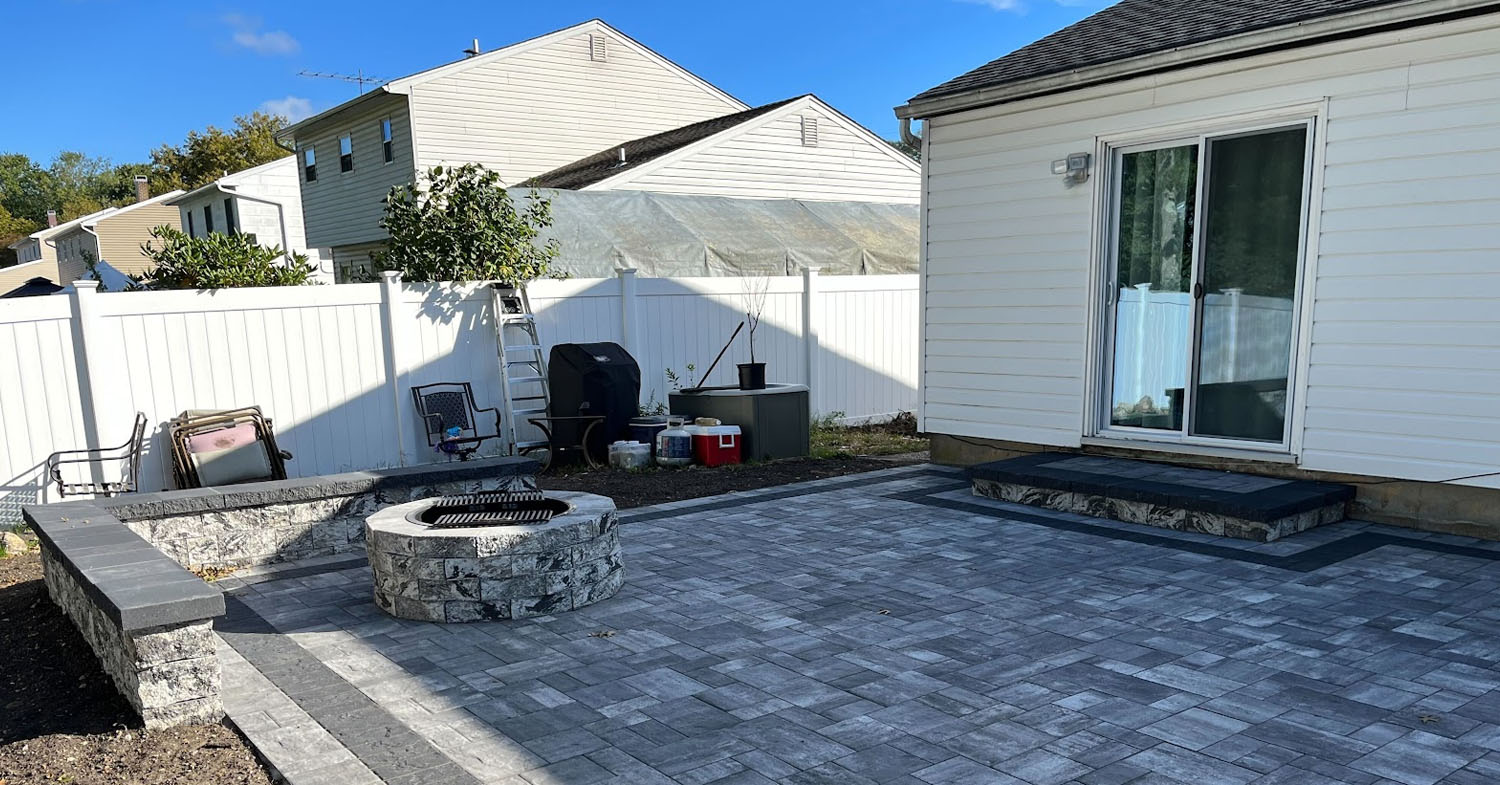
One of the best items you can add to your backyard is a fire pit. Fire pits come in many shapes, sizes, designs, and materials, serving as the ultimate focal point for any outdoor space. Whether you are looking for the rustic charm of a campfire or the sleek convenience of a modern fire table, these features bring your project to the next level. At Affordable Patio, we are excited to help you explore the best options to create a lasting sanctuary for your family’s best memories.
Check out more about a fire pit.
Wood or Gas: Which Fire Pit Fuel is Right for You?
Deciding between a wood-burning or gas-burning fire pit is the first major step in designing your outdoor space. While both options can be finished with the exact same stone or brick materials to achieve your desired look, they offer very different experiences in terms of convenience and cost. Choosing the right one depends entirely on your lifestyle, your property’s layout, and your project budget.
Before you make a decision, here are the four main factors to consider:
- Fuel Source and Availability: You need to determine if your home already has a natural gas line or a large on-site propane tank. If not, are you prepared for the installation process? It is important to note that our professional gas fire pits cannot run on a standard BBQ propane tank; because of the burner size, a small BBQ tank would be completely empty in 30 minutes or less.
- The Cost of Installation: The location of your fire pit plays a massive role in your total expenses. If you choose gas, you must hire a licensed plumber to run gas lines to that specific spot. The further the pit is from your gas source, the higher the labor and material costs will be.
- The Sensory Experience: For many homeowners, nothing beats the traditional feel of a wood-burning fire. If you enjoy the smell of wood smoke, the sound of crackling logs, and the hands-on “pride” of building and maintaining a fire yourself, wood is the way to go.
- Overall Budget and Permitting: Generally, a gas fire pit is significantly more expensive than a wood-burning one. This is due to the cost of the gas burner components, the professional plumbing fees, and the fact that many townships require a specific permit for gas line installations.
Factors to consider when you are looking to add a fire pit to your backyard
Are you ready to transform your outdoor living space but aren’t sure which details matter most? Adding a fire pit requires balancing the pros and cons of different setups to find what best fits your specific needs. After you decide on the type of application you want installed, you can begin selecting the materials that will define the look and feel of your new backyard feature.
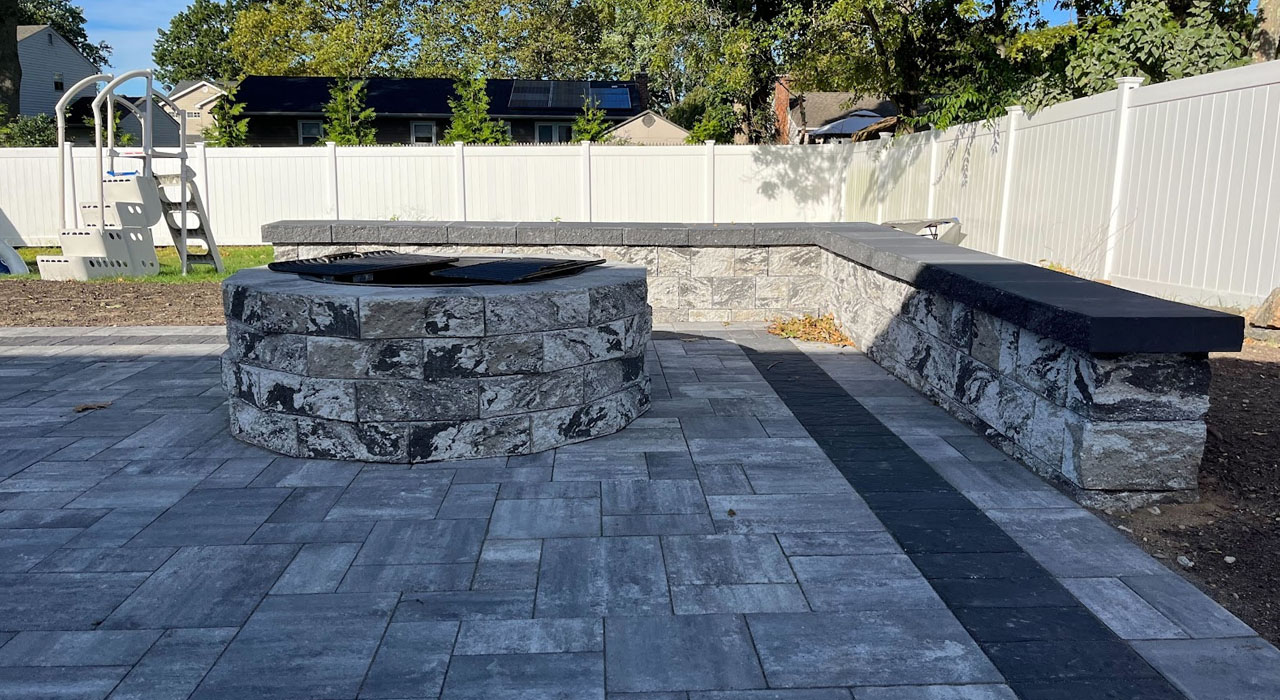
- Material Selection: You can choose from a Cambridge paving stone kit to match your patio or opt for a custom-built design using stone, slabs, wood, tile, or cultured stone.
- The Preferred Setup: Most of our clients choose a wood-burning fire pit kit made by Cambridge for their backyard installs.
- Cost and Aesthetics: A Cambridge wood-burning kit is the more affordable option and is designed to complement your patio stones perfectly.
Understanding the Build: Two Professional Methods for Installing Your Fire Pit
Are you wondering how your fire pit will actually be integrated into your backyard? There are two primary ways we handle the installation: building it directly on top of your existing patio or cutting it into the patio with a decorative border brick. While both methods provide a professional and high-quality finish, the structural process for each is unique and depends on your personal preference for how the unit sits on your property.
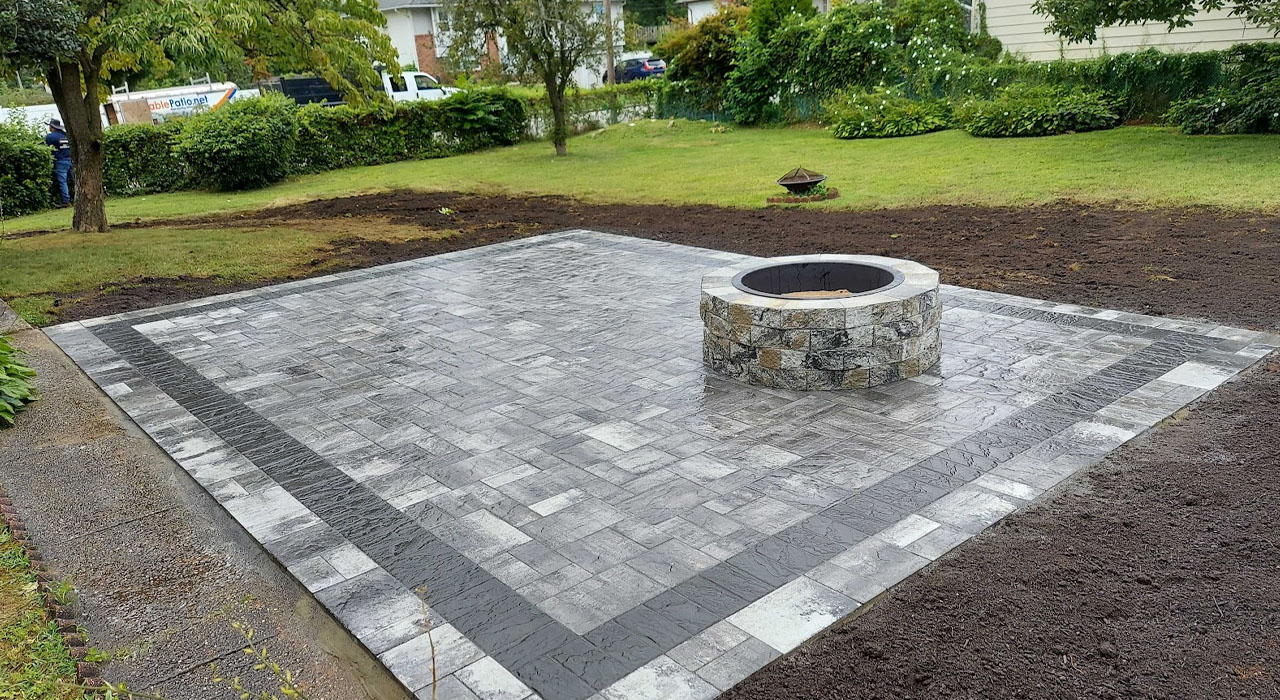
- Installation on Top of the Patio: In this method, we build the fire pit using the existing patio pavers and sub-base for support. We secure each row to the next using high-strength mason glue or concrete for maximum durability. Once the structure is complete, we remove the center pavers for drainage and install a metal ring with a sand base.
- Installation Cut into the Patio: This method involves cutting out a section of the pavers and pouring a concrete footing to make the fire pit a single, integrated unit. Just like the on-top method, we bond each row with mason glue or concrete. We then fill the bottom with sand up to the metal ring.
- The Importance of the Metal Ring: For both installation types, a metal ring is a vital component. It helps prevent your stone blocks from cracking or “popping” due to the intense heat of the fire.
Check out more about our Fire Pit Installations:https://affordablepatio.com
Frequently Asked Questions
Do I need a permit for a fire pit in Suffolk County?
For wood-burning designs, most New York State codes allow for “recreational fires” under 3 feet in height without a special permit. However, for a gas-burning fire pit, you will typically need a plumbing permit from your specific township to ensure the gas line is installed safely. We always recommend checking with your local building department to be 100% sure.
How do you prevent the stones from cracking due to the heat?
We install a heavy-duty metal ring insert inside every fire pit we build. This ring acts as a heat shield, preventing the direct flames from making contact with the stone blocks. Without this, the intense heat would eventually cause the blocks to “pop” or crack, but with a metal ring and a base of sand, your masonry is protected for the long term.
How much more expensive is a gas fire pit than wood?
On average, a gas-burning fire pit can cost $1,500 to $3,500 more than a wood-burning version. This difference covers the high-end burner system, the plumber’s labor to trench and run the gas line, and the necessary permit fees. While the upfront cost is higher, many families find the convenience of smoke-free, instant heat to be worth every penny.
How do you handle drainage so my fire pit doesn’t fill with water?
During installation, we remove the center pavers or install a gravel-filled center to allow water to drain directly into the ground. This ensures that even after a heavy Long Island rainstorm, your fire pit stays dry and ready for use, preventing stagnant water from damaging your burner or attracting pests.
Ready to Spark a New Project?
Whether you want to build a custom masterpiece or use a classic Cambridge kit, our team is ready to help you navigate the process of designing your perfect fire pit. Call (631) 275-3142 or visit https://affordablepatio.com.